
Home & Garden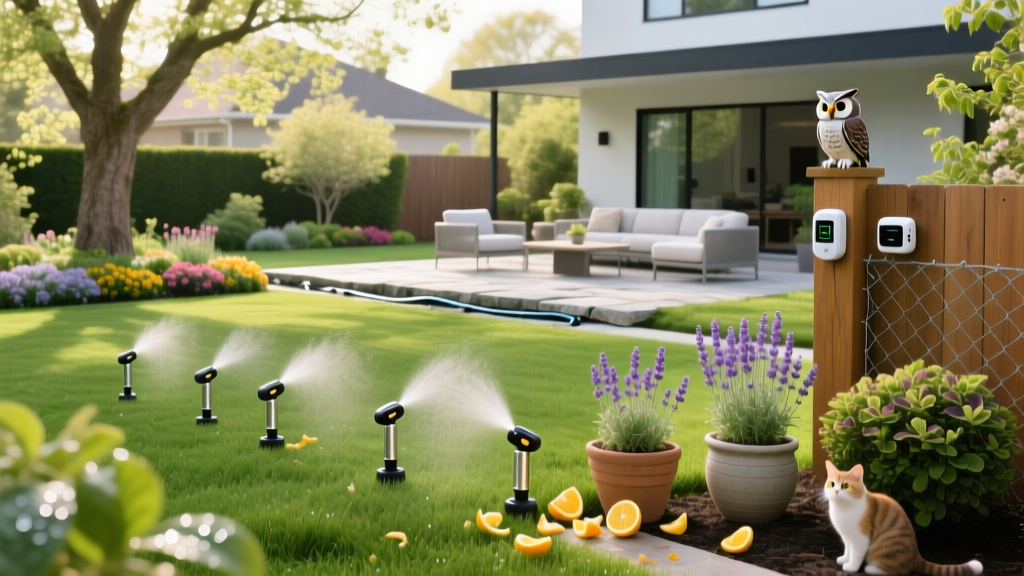
What Keeps Cats Out of Your Yard? 7 Proven Deterrents
The Feline Intrusion Problem: Why Cats Target Your Garden
When neighborhood cats treat your meticulously prepared garden beds as a personal litter box, the damage goes beyond ruined aesthetics. Feline digging uproots young seedlings, while their waste introduces harmful pathogens into your soil. According to the Centers for Disease Control and Prevention (CDC), cat feces can harbor Toxoplasma gondii, a parasite that poses severe health risks to pregnant women and immunocompromised individuals. Understanding what keeps cats out of your yard requires addressing the three primary reasons they enter: the search for soft digging soil, hunting grounds for rodents, and territorial marking.
Rather than relying on ineffective home remedies, successful exclusion requires a multi-sensory approach. Below is a comprehensive breakdown of commercial and physical deterrents, analyzing their specific failure modes and ideal use cases.
The Sensory Deterrent Matrix
Cats possess highly sensitive olfactory, auditory, and tactile systems. The most effective exclusion strategies exploit these senses without causing permanent harm. Use this matrix to select the right primary defense for your specific landscape.
| Deterrent Category | Target Sense | Average Cost | Best Application | Maintenance Level |
|---|---|---|---|---|
| Motion-Activated Sprinklers | Sight / Touch (Startle) | $50 - $75 | Open lawns, garden perimeters | Low (Battery changes) |
| Ultrasonic Repellents | Hearing (High-Frequency) | $30 - $45 | Enclosed patios, fenced yards | Medium (Sensor cleaning) |
| Tactile Prickle Strips | Touch (Discomfort) | $15 - $25 | Mulch beds, fence tops | None |
| Enzymatic Scent Repellents | Smell (Aversion) | $15 - $30 | Property lines, hardscapes | High (Weekly reapplication) |
Tech-Driven Exclusion: Sprinklers and Ultrasonics
1. Motion-Activated Sprinklers (The Gold Standard)
Water is universally detested by domestic cats, making sudden bursts of water the most reliable active deterrent. The Orbit 62100 Yard Enforcer remains the industry benchmark. It utilizes a passive infrared (PIR) sensor to detect animal heat signatures up to 40 feet away, triggering a 5-second burst of water.
Expert Installation Tip: The Orbit 62100 requires water pressure between 20 and 120 PSI. If your home uses a low-flow well system, install a pressure booster or the sprinkler will merely dribble, failing to startle the cat. Set the sensor height to 6–8 inches off the ground to specifically target feline eye level while ignoring small birds.
Failure Modes: The primary reason motion sprinklers fail is sensor obstruction. Tall ornamental grasses like Miscanthus or Pampas grass swaying in the wind will trigger false alarms, draining the 4 AA batteries within days. Clear a 3-foot radius in front of the PIR lens.
2. Ultrasonic Repellents
Devices like the Aspectek YJ-8031 emit sound waves between 13.5 kHz and 23.5 kHz. While inaudible to most adult humans, this frequency range is highly irritating to felines. Priced around $38, these solar-powered units offer a silent, chemical-free solution.
Failure Modes: Ultrasonic waves cannot penetrate solid objects. If you place the device behind a dense row of hydrangeas or a wooden privacy fence, the sound waves will bounce back, leaving your garden unprotected. Furthermore, older cats or those with age-related hearing loss may simply ignore the noise. The Humane Society of the United States notes that habituation can occur if the ultrasonic device is not paired with a secondary physical deterrent.
Tactile and Olfactory Barriers
3. Tactile Prickle Strips (Cat Scat Mats)
Cats seek out loose, finely tilled soil because it is easy to dig and comfortable on their paws. Altering the soil texture is a permanent, passive fix. Plastic prickle strips, commonly sold under the brand name Cat Scat Mat, feature 1-inch flexible spikes that are uncomfortable to walk on but will not pierce paw pads.
- Installation: Lay the mats directly on the soil and cover them with 1 inch of bark mulch. The mulch hides the unsightly plastic while allowing the spikes to poke through just enough to deter digging.
- Alternative: Burying 1-inch galvanized chicken wire just beneath the soil surface achieves a similar result. Plants can grow through the wire gaps, but cats cannot dig through the metal grid.
4. Commercial Scent Repellents
Products like Liquid Fence Dog & Cat Repellent utilize essential oils (such as peppermint and clove) combined with bittering agents. These work by creating an olfactory boundary that cats find overwhelming. Apply heavily along the perimeter of your property, focusing on hardscape edges and fence posts where cats typically spray to mark territory.
Warning on DIY Scent Remedies: Avoid using cayenne pepper, chili powder, or crushed red pepper flakes. While they do deter cats, rain and wind easily disperse the powder. If blown into a cat's eyes, it causes severe corneal irritation and temporary blindness, crossing the line from deterrent to animal cruelty. Additionally, avoid mothballs entirely; they contain naphthalene or paradichlorobenzene, which are highly toxic to wildlife, pets, and children, and their outdoor use is illegal in many jurisdictions.
Why 'Scaredy Cat' Plants and Coffee Grounds Fail
A persistent gardening myth suggests that planting Coleus caninus (the 'Scaredy Cat' plant) or spreading used coffee grounds will naturally repel felines. In reality, the volatile oils in Coleus caninus only work if the cat physically crushes the leaves, meaning the cat must already be inside your garden bed to trigger the scent. Coffee grounds, while excellent for compost, lose their acidic aroma within 48 hours outdoors and actually attract certain fungi and earthworms, which in turn attract foraging wildlife.
Habitat Modification: Removing the Draw
No deterrent will work long-term if your yard provides an irresistible resource. To finalize your exclusion strategy, eliminate the environmental factors that invite feline trespassers:
- Secure Compost Bins: Open compost piles containing meat scraps or dairy act as massive olfactory beacons. Switch to a fully enclosed, tumbling compost bin like the Envirocycle 35-Gallon.
- Elevate Bird Feeders: Seed spillage attracts mice and voles. Cats patrol bird feeders to hunt the rodents. Use baffles on feeder poles and sweep up spilled seed weekly.
- Cover Sandboxes: Children's sandboxes are essentially giant, pre-made litter boxes. Always use a heavy-duty vinyl cover weighted down with bungee cords when not in use.
- Block Under-Deck Access: Feral and stray cats seek dry, sheltered spaces to birth kittens. Seal off crawl spaces and deck perimeters with heavy-duty 16-gauge welded wire mesh, burying the bottom edge 6 inches into the soil to prevent digging underneath.
Summary: Building a Layered Defense
Determining what keeps cats out of your yard is not about finding a single silver bullet, but rather constructing a layered defense. For immediate, high-traffic intrusion zones, deploy the Orbit 62100 motion sprinkler. For garden beds where water is impractical, install Cat Scat Mats beneath your mulch. Finally, maintain a perimeter boundary with Liquid Fence reapplications every 7 to 10 days. By combining active startle responses with passive tactile barriers, you can reclaim your landscape and keep your soil safe, sanitary, and cat-free.