
Home & Garden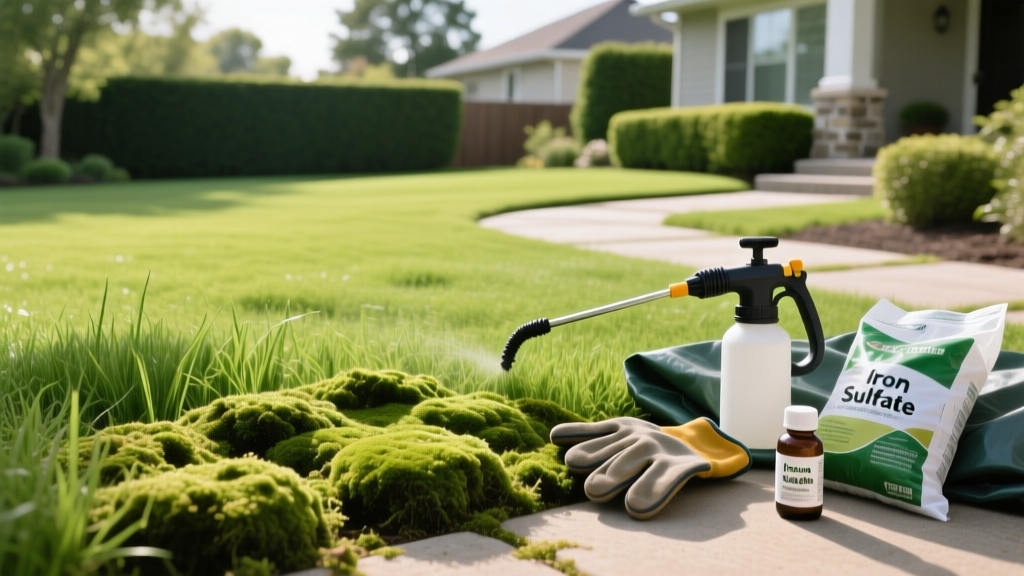
What Kills Moss in Lawns: Proven Chemical and Organic Treatments
Moss (Bryophyta) is not a weed in the traditional sense; it is an opportunistic, non-vascular plant that colonizes areas where turfgrass is failing. Because moss lacks true roots—relying instead on shallow rhizoids to anchor itself—it thrives in compacted, acidic, or heavily shaded soils where grass roots cannot penetrate. Understanding what kills moss requires a two-pronged approach: applying the correct active ingredients to desiccate the existing colonies, and altering the underlying microclimate to prevent regrowth.
According to turfgrass pathology research from Penn State Extension, simply applying a moss killer without addressing soil compaction or pH imbalances will result in a 100% recurrence rate within a single growing season. Below is an expert breakdown of the chemical and organic agents that effectively kill moss, followed by a permanent eradication protocol.
The Active Ingredients: What Actually Kills Moss?
Not all moss killers operate through the same biological mechanism. The choice between chemical and organic treatments depends on your lawn's proximity to waterways, hardscape staining risks, and the severity of the infestation.
1. Iron-Based Herbicides (Ferrous Sulfate)
Ferrous sulfate monohydrate (FeSO4·H2O) is the industry standard for commercial and residential moss control. When applied at a concentration of 20% to 30% active ingredient, iron causes rapid desiccation. The moss absorbs the iron, triggering an oxidative stress response that turns the plant black and kills it within 24 to 48 hours.
- Application Rate: Mix 3 to 5 ounces of liquid ferrous sulfate per 1,000 square feet, diluted in 3 gallons of water.
- Optimal Timing: Apply when temperatures are between 50°F and 65°F. Applying iron in temperatures above 80°F can cause severe phytotoxicity (leaf burn) to the surrounding turfgrass.
- Warning: Ferrous sulfate will permanently stain concrete, brick, and stone patios orange or brown. Avoid overspray on hardscapes.
2. Fatty Acid Salts (Cryptocidal Soaps)
Potassium salts of fatty acids (commonly sold as insecticidal or moss-killing soaps) work by breaking down the waxy cuticle of the moss cells, causing them to leak cellular fluids and dry out. This is the preferred method for environmentally sensitive areas or lawns adjacent to koi ponds and storm drains.
- Efficacy: Slower than iron. Moss will turn yellowish-brown over 5 to 7 days.
- Reapplication: Often requires a second application after 14 days for dense, established mats exceeding 1 inch in thickness.
3. Organic Alkalis (Baking Soda / Sodium Bicarbonate)
Sodium bicarbonate alters the surface pH of the moss, creating an alkaline environment that the acid-tolerant plant cannot survive. While accessible, it is strictly a contact killer with no residual soil activity.
- Mixture: Dissolve 1/2 cup of baking soda in 1 gallon of water. Apply directly to the moss patches using a spot-sprayer.
- Limitation: High sodium content can degrade soil structure over time, leading to further compaction. Reserve this only for small, isolated patches on hardscapes or roof shingles, not broad lawn applications.
Treatment Comparison Matrix
Selecting the right product requires balancing speed, safety, and environmental impact. Use this matrix to determine the best active ingredient for your specific scenario.
| Active Ingredient | Mechanism of Action | Speed of Kill | Hardscape Staining Risk | Best Use Case |
|---|---|---|---|---|
| Ferrous Sulfate (Iron) | Oxidative desiccation | 24 - 48 Hours | High (Orange/Brown) | Large lawn areas, heavy infestations |
| Fatty Acid Salts (Soap) | Cellular membrane disruption | 5 - 7 Days | None | Near water features, organic lawns |
| Sodium Bicarbonate | Surface pH alteration | 3 - 5 Days | Low (White residue) | Small patio cracks, roof shingles |
| Zinc Sulfate | Heavy metal toxicity to moss | 2 - 4 Weeks | Moderate | Wood shakes, asphalt roofs, hardscapes |
The 4-Step Eradication and Prevention Protocol
As noted by the Royal Horticultural Society (RHS), moss is a symptom of poor turf vigor, not the primary disease. Killing the moss is only 20% of the battle; the remaining 80% involves cultural modifications to favor grass.
Step 1: Test and Amend Soil pH
Moss thrives in acidic soils (pH 5.0 to 5.5). Turfgrass requires a pH between 6.0 and 7.0 to access macronutrients. Purchase a digital soil probe or mail a core sample to your local university extension. If your pH is below 6.0, apply pelletized calcitic lime at a rate of 40 to 50 lbs per 1,000 square feet. Do not apply lime simultaneously with ferrous sulfate; space them out by at least 3 weeks, or the iron will oxidize and become unavailable to the grass.
Step 2: Apply the Moss Killer and Rake
Apply your chosen moss killer (ferrous sulfate or fatty acid soap) during the early spring or early fall when moss is actively growing. Wait 48 to 72 hours for the moss to turn completely black. Once dead, use a spring-tine rake or a mechanical dethatcher (set to a blade depth of 1/4 inch) to aggressively pull the dead moss mat out of the turf canopy. Leaving dead moss in place will smother new grass seedlings and create a thatch barrier.
⚠️ Critical Edge Case: Heavy Clay Soils
If your lawn sits on heavy clay, core aeration is non-negotiable. Moss exploits the anaerobic, compacted environment of clay. Rent a walk-behind core aerator and pull 3-inch deep plugs spaced 3 to 4 inches apart across the entire lawn. Leave the plugs on the surface to break down naturally; this reintroduces soil microbes into the thatch layer.
Step 3: Overseed with Shade-Tolerant Cultivars
Bare soil left behind after dethatching will quickly be recolonized by moss spores if not covered. Overseed immediately with a turfgrass blend suited to your light conditions. If the area receives less than 4 hours of direct sunlight, standard Kentucky Bluegrass will fail. Instead, use Hard Fescue or Creeping Red Fescue blends, which possess the genetic shade tolerance required to outcompete moss in low-light environments. Apply seed at 5 lbs per 1,000 square feet and top-dress with 1/4 inch of screened compost.
Step 4: Optimize Irrigation and Airflow
Moss requires constant surface moisture. Transition your irrigation schedule from frequent, shallow watering (which favors moss rhizoids) to deep, infrequent watering (1 inch per week, applied in 1 or 2 sessions) to drive grass roots deep. Prune lower tree branches up to a height of 8 feet to increase sunlight penetration and improve cross-breeze airflow, which dries the turf canopy faster after morning dew.
Frequently Asked Questions
Will vinegar kill moss permanently?
White vinegar (5% acetic acid) will burn the top layer of moss on contact, but it does not penetrate the rhizoid mat or alter the underlying soil conditions. Furthermore, spraying vinegar on your lawn will lower the soil pH, making the environment more hospitable to future moss invasions. It is not recommended for turf applications.
How do I kill moss on a concrete driveway without staining it?
Avoid ferrous sulfate entirely on hardscapes. Instead, use a potassium salt of fatty acids (cryptocidal soap) or a sodium bicarbonate solution. For long-term prevention on driveways and retaining walls, install copper or zinc flashing at the top of the incline; rainwater washing over the metal creates a microscopic toxic barrier that prevents moss spores from germinating on the surface below.

