
Home & Garden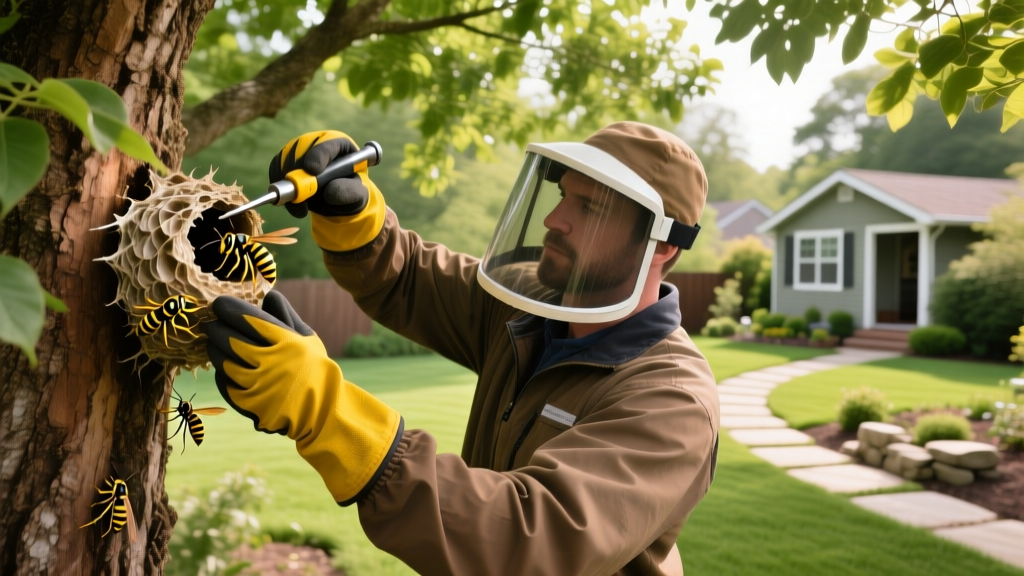
How to Get Rid of Yellow Jacket Nests: Emergency Rescue Fixes
Symptom Diagnosis: Identifying the Threat
Before initiating any eradication protocol, accurate species identification is critical. Yellow jackets (primarily Vespula and Dolichovespula species) are frequently misidentified as honeybees or paper wasps. Unlike docile honeybees, yellow jackets are highly aggressive, capable of stinging multiple times without dying, and will fiercely defend their colony. According to Penn State Extension, yellow jacket colonies can reach 4,000 to 5,000 workers by late summer, making late-season encounters particularly dangerous.
Ground vs. Aerial Nesting Behaviors
- Ground Nests (Vespula): Often mistaken for rodent burrows. Look for a hole the size of a nickel to a quarter in bare soil, lawn edges, or retaining walls. You will see a steady stream of 20-50 wasps entering and exiting per minute during peak daytime foraging.
- Aerial/Cavity Nests (Dolichovespula): Found in shrubs, under eaves, or inside structural wall voids. If you see wasps entering a crack in your siding or soffit, they have established a massive internal paper nest.
Diagnostic Warning: Never probe a suspected ground hole with a stick or flashlight beam directly over the entrance during daylight hours. Ground vibrations and sudden light changes will trigger an immediate defensive swarm.
Risk Assessment Matrix
Not all nests require immediate DIY intervention. Use this matrix to determine your rescue fix protocol based on location, size, and seasonality.
| Nest Location | Colony Stage / Size | Proximity to High Traffic | Recommended Action Level |
|---|---|---|---|
| Open Lawn / Garden Bed | Small (Early Summer) | Low (Away from paths) | DIY Liquid Drench |
| Structural Wall Void / Soffit | Medium to Large | High (Near doors/windows) | DIY Dust Injection OR Professional |
| Inside Vehicle / HVAC Unit | Any Size | Extreme | Call Licensed Pest Control |
| Underground (Deep Burrow) | Large (Late Summer) | Medium | DIY Microencapsulated Flood |
Rescue Fixes: Step-by-Step Eradication Protocols
Successful eradication relies on timing and the correct chemical formulation. Yellow jackets are most sluggish between 9:00 PM and 2:00 AM when temperatures drop below 65°F and all foragers have returned to the nest. Always wear thick denim, leather gloves, and a bee veil. Pro Tip: Wrap your flashlight lens in red cellophane. Yellow jackets cannot perceive red light, allowing you to see the nest without triggering their phototactic defense response.
Protocol A: Ground Nest Drenching (Open Areas)
- Prepare the Solution: Mix a microencapsulated pyrethroid like Onslaught FastCap (1 oz per gallon of water). Microencapsulation ensures the chemical survives soil absorption and provides a 30-day residual.
- Approach: Walk slowly. Do not stomp. Keep your red-filtered light beam pointed slightly away from the hole until you are 4 feet away.
- Apply: Using a pump sprayer with the nozzle removed (to create a solid stream, not a mist), pour 1 to 1.5 gallons of the solution directly into the entrance hole over 30 seconds.
- Retreat: Back away slowly. Do not turn your back and run.
- Edge Case (Rain): If rain is forecasted within 12 hours, switch to a dust formulation, as liquid will dilute and wash into the water table before reaching the deep chambers.
Protocol B: Wall Void & Soffit Dusting (Structural Nests)
Liquid sprays are disastrous for wall voids. They can short electrical wiring, damage drywall, and fail to reach the deep paper comb. Furthermore, according to Texas A&M AgriLife Extension, spraying a void with liquid will agitate the colony and may drive them deeper into the home.
- Equipment: Fill a hand-crank duster (e.g., JT Eaton 366 or Pest Pistol) halfway with Tempo 1% Dust (Cyfluthrin).
- Application: Insert the duster tip into the entry crack. Give 2-3 quick puffs. The goal is to leave a light coating of dust on the landing zone, not to pack the hole.
- The Transfer Effect: Foraging wasps will land in the dust, carry it deep into the nest, and spread it to the queen and larvae through trophallaxis (food sharing).
- CRITICAL RULE - Do Not Plug the Hole: If you seal the entry point before the colony is dead (which takes 48-72 hours with dust), the trapped wasps will chew through the interior drywall to escape, resulting in hundreds of angry wasps inside your living room.
Chemical Arsenal: What to Buy in 2026
Bypass standard big-box store aerosol sprays for anything other than small, fully exposed aerial nests. Professional-grade concentrates offer superior knockdown and safety profiles.
- Tempo 1% Dust (Active: Cyfluthrin): Cost: $28-$35 per 1lb bottle. The gold standard for wall voids and deep ground burrows. Highly lipophilic, meaning it sticks to the wasp's exoskeleton and transfers easily.
- Onslaught FastCap (Active: Esfenvalerate + Prallethrin + PBO): Cost: $65-$75 per pint. The PBO (Piperonyl Butoxide) acts as a synergist, shutting down the wasp's metabolic enzymes that normally break down pyrethroids. Essential for massive, late-season ground nests.
- PT Wasp-Freeze Aerosol (Active: Prallethrin): Cost: $16-$20 per can. Shoots a solid 15-foot stream. Use this only for small, exposed nests under patio furniture or deck railings. It provides instant knockdown but lacks the residual transfer effect of dust.
Safety Hazard Warning: Never pour gasoline, diesel, or boiling water into a ground nest. Gasoline contaminates local groundwater, violates EPA pesticide regulations, and creates a severe explosion hazard if the nest is near a utility line or water heater exhaust.
Post-Eradication and Prevention
After 72 hours, observe the nest entrance during peak daylight hours. If no activity is observed, the colony is neutralized.
- Ground Nests: Fill the hole with topsoil and compact it. Yellow jackets prefer to expand existing rodent burrows; filling them removes the structural head-start.
- Wall Voids: Once dead, seal the exterior crack with silicone caulk or expanding foam. If the nest was large, consider hiring an insulation contractor to remove the dead biomass, as decaying wasps and honeycomb can attract carpet beetles and emit a foul odor as it rots inside the wall.
- Aerial Nests: Scrape the paper comb off the eave using a putty knife, wash the area with a 1:1 water and white vinegar solution to remove pheromone markers, and paint over the spot.
When to Call a Professional
DIY rescue fixes are highly effective, but certain scenarios mandate a licensed pest control operator (PCO). Expect to pay between $150 and $350 for professional yellow jacket removal in 2026, depending on regional labor rates and nest accessibility.
Call a Pro If:
- The nest is inside a wall void on the second story or higher (ladder work + wasps = high fall risk).
- You or a family member has a known Hymenoptera venom allergy (anaphylaxis risk).
- The ground nest is located directly under a concrete slab, driveway, or HVAC condenser unit where liquid/dust cannot reach the primary comb.
- Previous DIY attempts have agitated the colony, causing them to widen the entry hole or swarm the exterior siding.

