
Landscaping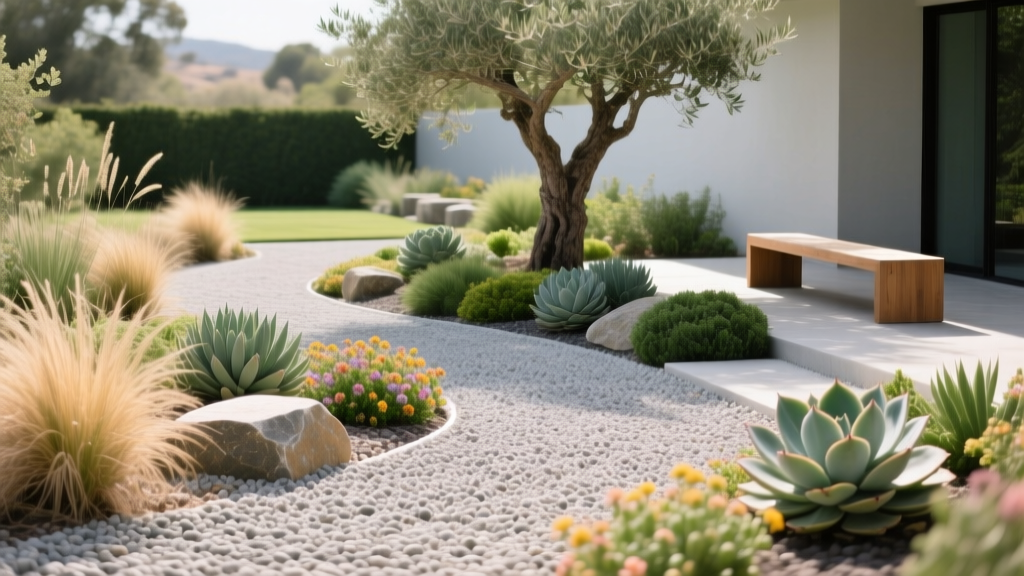
How to Design and Build a Low-Maintenance Pea Gravel Garden
The Anatomy of a Successful Pea Gravel Garden
A pea gravel garden is one of the most effective ways to reduce landscape water usage while creating a striking, textured outdoor space. Unlike traditional mulch that decomposes and requires annual replacement, 3/8-inch pea gravel is a permanent, inorganic hardscape material. However, beginners frequently encounter two major failures: gravel migration (the stones rolling into the lawn) and the "ball pit" effect (sinking into the soil when walked on). Avoiding these issues requires a specific layering framework and rigid containment.
According to the EPA WaterSense landscaping guidelines, replacing turfgrass with water-wise hardscaping and drought-tolerant plants can reduce outdoor water use by 20% to 50%. A properly constructed pea gravel garden achieves this while providing excellent drainage for xeriscape plantings.
The Core Framework: Layering for Stability and Drainage
Never dump pea gravel directly onto bare soil. The rounded edges of the stones will cause them to shift and sink into the dirt over time, creating an uneven, muddy surface. Follow this four-layer system for a stable foundation.
Step 1: Excavation and Grading
Excavate the garden bed to a depth of 5 to 6 inches. Ensure the base soil is graded with a slight 1% to 2% slope away from your home’s foundation to prevent water pooling. Tamp the native soil firmly using a hand tamper or a rented plate compactor for areas larger than 100 square feet.
Step 2: The Aggregate Base Layer
Add a 2-inch layer of crushed angular rock, such as 3/4-inch minus gravel or crushed limestone. The sharp, angular edges of this base layer lock together when compacted, creating a solid sub-floor that prevents the smooth pea gravel from sinking. Compact this layer thoroughly.
Step 3: Woven Geotextile Fabric
Roll out a heavy-duty, woven geotextile landscape fabric over the compacted base. Avoid cheap, non-woven black plastic or thin spunbond fabrics; these tear easily, block water drainage, and degrade under UV exposure if exposed. Look for a fabric with a minimum weight of 3.2 ounces per square yard and a high water flow rate (measured in gallons per minute per square foot). Overlap seams by at least 6 inches and secure them with 6-inch landscape fabric staples every 3 feet.
Step 4: The Pea Gravel Cap
Apply a 2-inch to 3-inch layer of 3/8-inch pea gravel over the fabric. This depth is the sweet spot: it is thick enough to completely hide the fabric and suppress weed seeds, but shallow enough that you won’t sink past your ankles when walking on it.
Edging Solutions: Containing the Roll
Because pea gravel is smooth and round, it behaves like a fluid under foot traffic. Without physical containment, it will migrate into adjacent lawn areas or walkways within weeks. The Royal Horticultural Society (RHS) emphasizes that rigid, deep edging is non-negotiable for loose aggregate gardens. Below is a comparison of the most effective edging materials for this specific application.
| Edging Material | Depth Required | Avg. Cost (per linear ft) | Durability & Effectiveness |
|---|---|---|---|
| Galvanized Steel | 4 to 6 inches | $4.50 - $7.00 | Excellent. Rigid, invisible when installed, completely stops gravel migration. |
| Aluminum | 4 inches | $3.50 - $5.50 | Very Good. Easier to bend for curves than steel, but can dent under heavy impact. |
| Composite/Plastic | 6 inches | $2.00 - $4.00 | Poor to Fair. Flexes under pressure, allowing gravel to spill over the lip over time. |
| Poured Concrete Curb | 4 to 8 inches | $12.00 - $18.00 | Superior. Permanent and highly decorative, but requires professional forming and pouring. |
Beginner Tip: When installing steel or aluminum edging, ensure the top lip sits exactly 1/2 inch below the top of the pea gravel layer. This hides the metal from view while still providing a physical barrier that stops the stones from rolling outward.
Calculating Gravel Volume: The Exact Math
Ordering too little gravel leaves the fabric exposed; ordering too much wastes money and creates tripping hazards. Use this standard landscaping formula to calculate your exact needs:
Volume Calculation Formula
(Length in feet × Width in feet × Depth in inches) ÷ 324 = Cubic Yards
Example for a 10x12 foot garden at 3 inches deep:
(10 × 12 × 3) ÷ 324 = 1.11 Cubic Yards
Tonnage Conversion: Pea gravel weighs roughly 1.35 tons per cubic yard. Multiply your cubic yards by 1.35 to get the tonnage required from your local supply yard (1.11 × 1.35 = 1.5 tons).
Plant Selection for Gravel Environments
Plants in a pea gravel garden face unique conditions: rapid surface drainage, high heat reflection from the stones, and low organic matter in the soil beneath the fabric. You must select species adapted to xeriscape or Mediterranean climates.
- Lavender (Lavandula angustifolia): Thrives in the sharp drainage provided by the gravel base. Plant in pockets cut into the fabric, and backfill with a mix of native soil and coarse sand.
- Sedum (Stonecrop): Low-growing succulents like 'Autumn Joy' spread beautifully over the gravel surface and require almost zero supplemental watering once established.
- Agastache (Hyssop): Provides vertical interest and attracts pollinators. It is highly resistant to the root-rot issues that plague plants in poorly draining soils.
- Yarrow (Achillea millefolium): Features fern-like foliage and flat flower clusters. It aggressively tolerates the heat radiating off the pea gravel on hot summer afternoons.
2026 Cost Breakdown: 10x10 Foot Pea Gravel Garden
Below is a realistic material cost estimate for a standard 100-square-foot beginner project, reflecting current landscape supply pricing. Labor is excluded, assuming a DIY installation.
| Material | Quantity Needed | Estimated Cost (2026) |
|---|---|---|
| 3/4-inch Minus Base Rock | 0.8 Tons | $35 - $50 |
| 3/8-inch Pea Gravel | 1.5 Tons | $60 - $85 |
| Woven Geotextile Fabric (3.2oz) | 120 sq ft (roll) | $45 - $70 |
| Galvanized Steel Edging (4-inch) | 40 linear ft | $180 - $240 |
| Landscape Staples & Stakes | 20 count | $15 - $25 |
| Total Estimated DIY Cost | $335 - $470 |
Troubleshooting Common Beginner Failures
Failure: Weeds Pushing Through the Fabric
Cause: Using non-woven plastic sheeting or allowing organic debris (leaves, twigs) to accumulate on top of the gravel, creating a soil layer where weed seeds germinate and send roots through the fabric weave.
Fix: Use a leaf blower to clear organic debris from the gravel every autumn. If weeds appear, spot-treat with a targeted herbicide or manually pull them before they establish deep taproots that pierce the geotextile.
Failure: Gravel Sinking and Becoming Muddy
Cause: Skipping the crushed aggregate base layer and laying fabric directly on native topsoil. The smooth stones push into the soft dirt under pressure.
Fix: Rake the gravel aside, excavate an additional 2 inches of soil, install and compact the 3/4-inch minus base rock, and replace the gravel.
Frequently Asked Questions
Can I walk barefoot on a pea gravel garden?
Yes, 3/8-inch pea gravel is smooth and rounded, making it one of the few loose aggregates comfortable for bare feet. However, the surface will shift underfoot, so it is not ADA-compliant or suitable for wheelchairs.
Does pea gravel wash away in heavy rain?
If properly edged and installed over a compacted base, it will not wash away. However, if your downspouts discharge directly into the garden, the sheer volume of water can displace the stones. Always route downspouts into solid PVC drain pipes that exit beneath the gravel or bypass the bed entirely.
Will the stones get too hot for my plants?
Pea gravel reflects and retains heat. In USDA Zones 8 and above, this can scorch the foliage of delicate plants. Stick to heat-loving, silver-leafed, or Mediterranean species that thrive in high-thermal environments.

