
Landscaping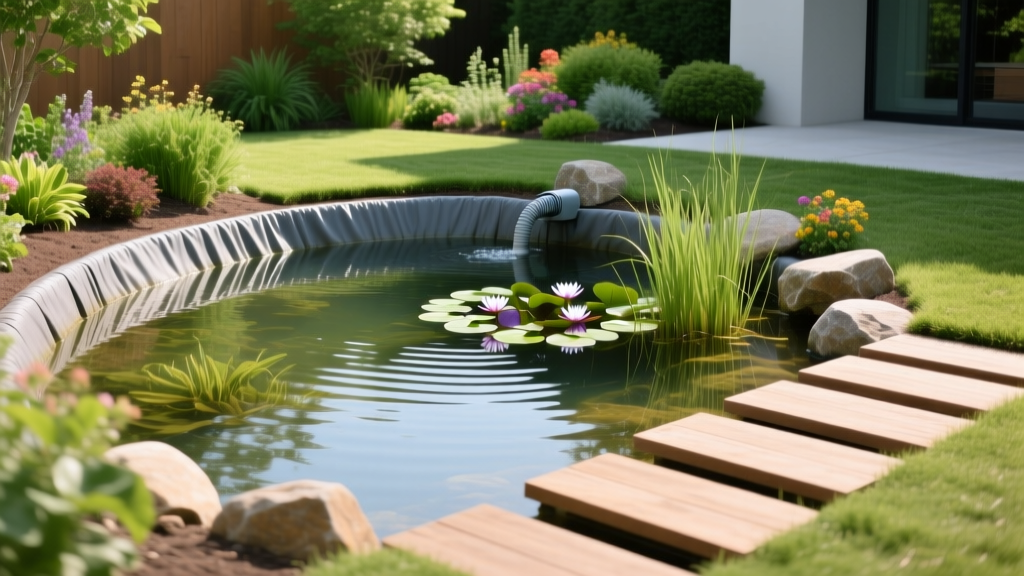
How to Build a Small Backyard Pond: Beginner's Liner and Pump Guide
Sizing and Site Selection for Small Ponds
Constructing a small backyard pond between 50 and 150 gallons offers the perfect balance of visual impact and manageable maintenance for beginners. Before breaking ground, you must evaluate your yard's microclimate. The ideal location receives 4 to 6 hours of direct sunlight daily. This is critical: too much sun triggers aggressive string algae blooms, while deep shade limits the blooming potential of aquatic plants like water lilies (Nymphaea).
Avoid placing your pond directly beneath deciduous trees. Falling autumn leaves decompose in the water, releasing tannins and ammonia that crash the pond's biological filter. Furthermore, tree roots will actively seek out the moisture under your liner, eventually causing punctures. Maintain a minimum clearance of 10 feet from the drip line of large oak, maple, or willow trees.
Material Breakdown: Preformed vs. EPDM Liner
Beginners often default to rigid preformed plastic tubs because they seem easier to install. However, as of 2026, flexible EPDM (Ethylene Propylene Diene Monomer) rubber remains the industry standard for durable, natural-looking water gardens. Below is a cost and performance comparison to help you decide.
| Feature | Preformed Rigid Tub | 45-Mil EPDM Rubber Liner |
|---|---|---|
| Shape Flexibility | Fixed, unnatural shapes | 100% custom, natural contours |
| Durability | Prone to cracking in freeze/thaw cycles | Highly flexible, withstands -40°F to 180°F |
| Installation Difficulty | Moderate (requires exact hole matching) | Easy (forgiving, drapes over shelves) |
| Approximate Cost | $150 - $300 (for 100 gallons) | $1.65 per sq. ft. + $0.50/sq ft underlayment |
| Lifespan | 10 - 15 years | 20 - 30+ years with UV protection |
For a naturalistic small backyard pond, the EPDM route is vastly superior. You will also need a non-woven geotextile underlayment (minimum 3 oz per square yard). Never use old carpet or newspaper as underlayment; they decompose and fail to protect against sharp rocks and root intrusion.
Step-by-Step Excavation and Liner Installation
According to Aquascape's pond construction guidelines, proper excavation is the foundation of a healthy ecosystem. Follow these precise steps:
- Outline the Perimeter: Use a garden hose to map out your desired shape. Aim for a kidney or bean shape rather than a perfect circle, as asymmetrical shapes look more natural and provide better water circulation patterns.
- Dig Plant Shelves: Before digging the deep zone, excavate a perimeter shelf 8 to 12 inches wide and 8 to 12 inches deep. This shelf is crucial for marginal plants, which act as your primary biological filters by consuming dissolved nitrates.
- Excavate the Deep Zone: Dig the center to a minimum depth of 18 to 24 inches. This depth prevents the pond from freezing solid in USDA zones 6-8 during winter and keeps the water cool enough to maintain dissolved oxygen levels in July and August.
- Level the Rim: This is where most beginners fail. Place a straight 2x4 board across the pond's diameter and set a 4-foot carpenter's level on top. A pond that is off-level by even half an inch will expose the liner on the low side, leading to rapid UV degradation and water loss.
- Lay the Underlayment and Liner: Drape the geotextile underlayment over the hole, pressing it into the corners. Follow with the 45-mil EPDM liner. Leave at least 2 feet of excess liner overlapping the perimeter.
The Math of Pump Sizing and Plumbing
Water circulation is non-negotiable. Stagnant water breeds mosquitoes and depletes oxygen. The general rule for a small backyard pond with a waterfall is to turn over the total water volume once every 1 to 2 hours. Therefore, a 100-gallon pond requires a pump delivering 100 to 150 Gallons Per Hour (GPH) at your specific head height.
Expert Sizing Tip: Pump ratings on the box assume zero head height (no vertical lift). If your waterfall spillway is 3 feet above the pond surface, you must add that to your friction loss. For a 100-gallon pond with a 3-foot waterfall, purchase a pump rated for at least 600 to 800 GPH at 0 feet of head. The Aquascape Pond Pump 1200 (retailing around $185 in 2026) is an excellent, energy-efficient choice that draws roughly 70 watts while providing ample flow for small builds.
For plumbing, avoid cheap corrugated vinyl tubing, which kinks easily and degrades in sunlight. Invest in 1-inch flexible PVC or heavy-duty corrugated polyethylene tubing designed specifically for water gardens. Secure all connections with stainless steel hose clamps to prevent slow leaks behind your waterfall rocks.
Filtration and Ecosystem Balancing
A pond is a living biological system. You need two types of filtration:
- Mechanical Filtration: A surface skimmer removes floating debris (leaves, pollen) before it sinks and decays. For small ponds, a submersible pump vault with a mesh filter pad is a budget-friendly alternative to a full skimmer box.
- Biological Filtration: Beneficial bacteria (Nitrosomonas and Nitrobacter) convert toxic fish waste and ammonia into less harmful nitrates. Provide surface area for these bacteria to colonize by using a bio-falls filter at the top of your waterfall, or by submerging mesh bags filled with lava rock near the pump intake.
When selecting plants for your marginal shelves, avoid Iris pseudacorus (Yellow Flag Iris), which is highly invasive in many US wetlands. Instead, opt for the native Iris versicolor (Blue Flag Iris), which provides identical filtration benefits without ecological risk, as noted in Penn State Extension's water gardening resources.
Common Beginner Mistakes to Avoid
Even with perfect construction, poor maintenance habits can ruin a new pond. Keep these critical warnings in mind:
Avoid Chemical Algaecides: When your pond turns green in the first month, do not panic and dump copper-based algaecides into the water. This kills your beneficial bacteria and crashes the nitrogen cycle, leading to a worse bloom later. Instead, use a UV clarifier or add floating plants like water lettuce to starve the algae of sunlight and nutrients. For long-term organic control, refer to the EPA guidelines on pond algae control.
- Overfeeding Fish: If you add koi or goldfish, feed them only what they can consume in two minutes. Uneaten food sinks and rots, spiking ammonia levels.
- Using Tap Water Directly: Municipal water contains chlorine and chloramines, which are lethal to fish and beneficial bacteria. Always treat make-up water with a sodium thiosulfate-based dechlorinator before adding it to the pond.
- Covering the Liner with Soil: Never backfill the edges of the EPDM liner with topsoil. Soil will wash into the pond during rainstorms, introducing phosphates that trigger massive algae outbreaks. Use washed river rock, gravel, or flat coping stones to secure and hide the liner edges.
Building a small backyard pond is a highly rewarding landscaping project. By prioritizing proper depth, investing in a 45-mil EPDM liner, correctly calculating your pump's head height, and establishing a robust biological filter, you will create a thriving, low-maintenance aquatic ecosystem that enhances your yard for decades.

