
Landscaping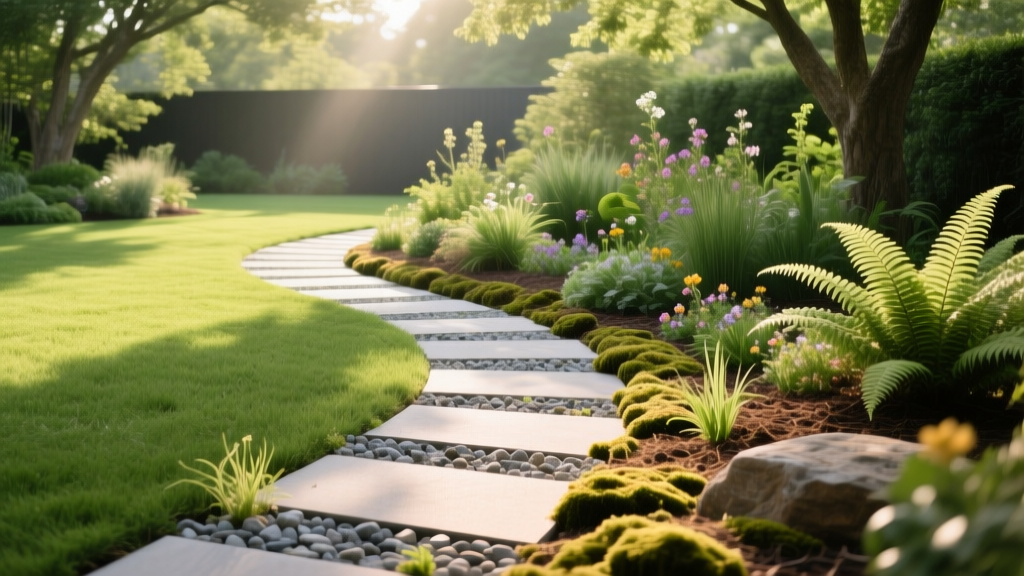
Building a Chemical-Free Natural Walkway: Organic Weed & Moss Control
Constructing a natural walkway using flagstone, bluestone, or irregular pavers adds immense curb appeal and permeable surface area to your landscape. However, the joints between these stones are prime real estate for wind-blown weed seeds, moss spores, and algae. Historically, homeowners and landscapers have relied on glyphosate-based systemic herbicides, soil sterilants like Prometon, and synthetic polymeric sands to keep these joints pristine. These chemical interventions leach into surrounding garden beds, harm soil microbiomes, and pose runoff risks to local watersheds.
Designing a truly chemical-free natural walkway requires a paradigm shift from reactive chemical eradication to proactive mechanical and organic management. By engineering the subgrade correctly, selecting natural jointing compounds, and utilizing botanical contact herbicides, you can maintain a pristine, weed-free hardscape without introducing synthetic toxins into your yard.
Subgrade Engineering: Mechanical Barriers vs. Chemical Sterilants
The most critical phase of weed prevention occurs before the first stone is laid. Many contractors spray the excavated trench with Imazapyr or other non-selective soil sterilants to prevent future weed growth. This practice is highly detrimental; these chemicals persist in the soil for months and can be absorbed by the roots of adjacent desirable trees and shrubs, causing catastrophic dieback.
The organic alternative is a high-tensile woven geotextile fabric. Unlike cheap, non-woven landscape fabrics that tear and degrade within a single season, woven polypropylene geotextiles provide a physical barrier that blocks sunlight and rhizome penetration while allowing water permeability.
Pro-Tip: Fabric Selection and Installation
Specify a woven geotextile with a weight of 3.2 oz to 4.1 oz per square yard (such as Dewitt Sunbelt or Typar Pro-19). Expect to pay approximately $0.45 to $0.60 per square foot. When laying the fabric, overlap all seams by a minimum of 4 inches and secure them with 6-inch galvanized landscape pins every 3 linear feet to prevent shifting during base gravel compaction.
Perimeter Containment to Prevent Rhizome Intrusion
Weeds like Bermudagrass and Quackgrass spread via aggressive underground rhizomes that can easily bypass fabric seams at the walkway edges. To block this, install rigid steel landscape edging (such as ProFlex or Col-Met) along the perimeter of the walkway trench. Drive the steel edging to a depth of at least 4 inches below the final grade. Plastic bender board is insufficient for stopping aggressive rhizomes, as the sharp root tips will puncture the material over time.
Jointing Compounds: Escaping the Polymeric Sand Trap
Standard polymeric sands rely on acrylic or urethane-based chemical binders that activate with water. While effective at locking joints, these synthetic polymers are essentially micro-plastics that can flake into the soil over time. For a strictly organic and chemical-free natural walkway, you must utilize natural aggregates paired with plant-based or mineral stabilizers.
| Jointing Material | Composition & Binder | Approx. Cost | Best Application |
|---|---|---|---|
| 1/4" Minus Crushed Granite | Natural stone dust and small aggregates; no binder. | $45 / ton | Wide joints (1"+); rustic, informal walkways. |
| Decomposed Granite + Plant Stabilizer | DG mixed with psyllium husk or plant-based resin (e.g., G3 Pathway Stabilizer). | $35 / 5-gal bucket (stabilizer) | Tight joints (1/4" to 1/2"); high-traffic areas. |
| Resin-Bound Aggregate | Natural quartz aggregate bound with UV-stable, bio-based epoxy resins. | $8.50 / sq ft (installed) | Premium, fully permeable, zero-weed joints. |
When using Decomposed Granite (DG) with a plant-based stabilizer, the mixture must be slightly damp during installation and compacted with a hand tamper or vibratory plate. According to guidelines referenced by the University of Minnesota Extension on Organic Weed Control, a well-compacted, tightly locked joint deprives weed seeds of the loose soil contact and moisture pockets required for germination.
Targeted Organic Post-Emergent Weed Eradication
Even with perfect subgrade preparation, wind will inevitably deposit weed seeds into the walkway joints. When using organic methods, you must abandon the idea of systemic herbicides (which travel to the roots) and rely on contact herbicides that destroy plant cell membranes on impact.
The Botanical Contact Spray Recipe
For broadleaf weeds and young grasses emerging in walkway joints, a high-concentration acetic acid solution combined with essential oils provides rapid burn-down without leaving toxic soil residues. The EPA's Minimum Risk Pesticides guidelines recognize these active ingredients as safe for use around humans and pets when applied as directed.
- 1 Gallon of 20% Horticultural Vinegar (e.g., Green Gobbler or Energizer brand). Do not use standard 5% kitchen vinegar; it lacks the acidity to mature weed cuticles.
- 2 oz of D-limonene (citrus oil extract) or Eugenol (clove oil). These essential oils act as synergists, stripping the waxy cuticle of the leaf.
- 1 tsp of liquid Castile soap. This acts as a non-ionic surfactant, breaking the surface tension so the solution coats the leaf rather than beading up and rolling off.
Warning: Soil Acidification and Aluminum Toxicity
Repeated application of 20% acetic acid will lower the pH of the soil in the walkway joints. If your natural walkway is bordered by acid-loving plants like hydrangeas or azaleas, this is generally harmless. However, if bordered by plants sensitive to high aluminum availability (which occurs in highly acidic soils), you must alternate your weed control methods or apply pelletized limestone to the adjacent beds annually to buffer the pH.
Moss and Algae Remediation Without Copper Sulfate
Shaded natural walkways, particularly those constructed of porous sandstone or limestone, are highly susceptible to moss and algae. The traditional chemical fix is Copper Sulfate, a heavy metal compound that is highly toxic to aquatic life, earthworms, and beneficial soil fungi. As highlighted in research by The Xerces Society for Invertebrate Conservation, avoiding heavy metal pesticides is crucial for maintaining local pollinator and invertebrate ecosystems.
Fatty Acid Salts and Cultural Controls
To eradicate moss organically, utilize Potassium Salts of Fatty Acids (commonly sold as insecticidal soaps or specific moss killers like Safer Brand 5328). These salts disrupt the cell walls of the moss, causing it to desiccate and turn brown within 24 hours. Once dead, the moss can be easily swept out of the joints with a stiff-bristled broom.
Chemical controls will always fail if the cultural environment favors moss. To permanently resolve the issue:
- Regrade the Sub-base: Ensure the walkway base has a minimum 2% slope (a 1/4-inch drop per linear foot) away from structures to prevent water pooling in the joints.
- Canopy Thinning: Selectively prune overhanging tree branches to allow at least 4 hours of dappled direct sunlight to reach the walkway surface, naturally inhibiting spore germination.
- Airflow Enhancement: Remove dense, ground-hugging shrubs immediately adjacent to the walkway edges to increase wind flow, which accelerates surface drying after rainfall.
Seasonal Maintenance Matrix for Organic Walkways
Maintaining a chemical-free natural walkway requires a proactive, calendar-based approach rather than a reactive one. Follow this seasonal matrix to keep joints tight and surfaces clear.
| Season | Primary Action | Specific Organic Protocol |
|---|---|---|
| Early Spring | Joint Replenishment & Pre-Emergent | Top-dress settled joints with 1/4" minus crushed granite. Apply corn gluten meal (CGM) at 20 lbs per 1,000 sq ft to inhibit weed seed root formation. |
| Summer | Spot Treatment & Moss Control | Apply 20% acetic acid/clove oil spray on hot, windless days for rapid weed burn-down. Treat moss with potassium fatty acid salts. |
| Autumn | Debris Clearance & Compaction | Blow out decomposing leaves immediately; decaying organic matter in joints creates a perfect loam for next year's weeds. Re-tamp any heaved stones. |
By integrating heavy-duty woven geotextiles, natural aggregate jointing, and targeted botanical sprays, your natural walkway will remain a functional, beautiful, and ecologically responsible feature of your landscape. This methodology eliminates the need for hazardous chemical storage, protects your surrounding garden beds from herbicide drift, and ensures your hardscape remains safe for pets and wildlife year-round.

