
Landscaping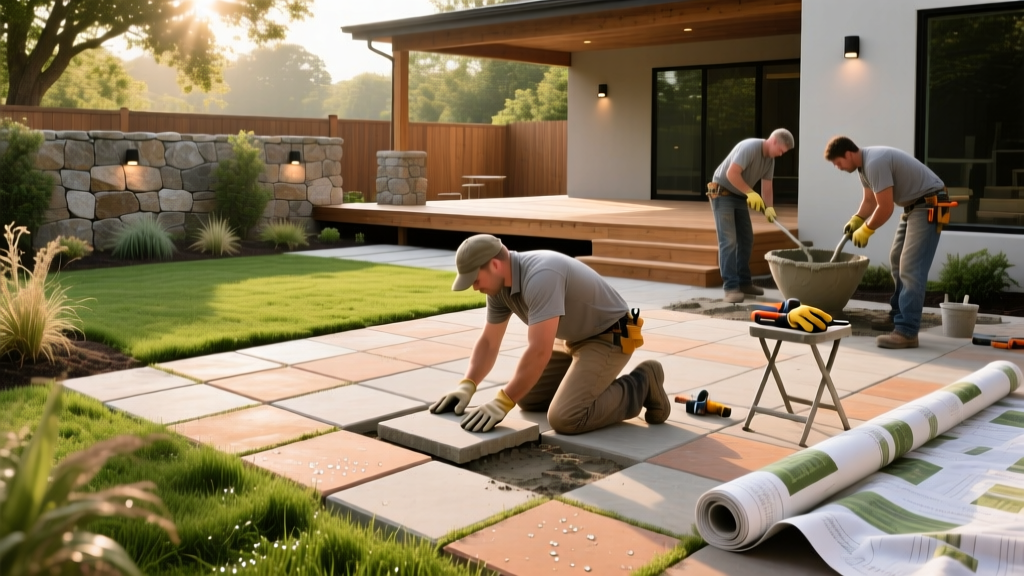
Cost of Putting in a Patio: 2026 Material & Labor Breakdown
The Baseline: Average Cost of Putting in a Patio
Calculating the exact cost of putting in a patio requires moving beyond national averages and analyzing your specific site conditions, material choices, and local labor rates. In 2026, the national average for a professionally installed 300-square-foot patio ranges from $3,800 to $9,500. However, this baseline assumes a flat, easily accessible yard with standard soil conditions. According to Angi's patio cost guide, homeowners who opt for premium natural stone or require extensive grading can easily see costs exceed $15,000 for the same footprint.
Quick Cost Snapshot (300 Sq. Ft. Patio):
- Budget (Gravel/Basic Concrete): $1,200 - $3,500
- Mid-Range (Concrete Pavers): $4,500 - $8,000
- Premium (Natural Bluestone/Flagstone): $9,000 - $16,500
Material Cost Matrix: Pavers vs. Concrete vs. Stone
The surface material dictates 40% to 60% of your total budget. When evaluating materials, you must factor in both the initial purchase price and the long-term maintenance requirements. The table below breaks down the 2026 pricing for the most common patio materials, including the installed cost per square foot.
| Material Type | Material Cost (Per Sq. Ft.) | Installed Cost (Per Sq. Ft.) | Lifespan & Maintenance |
|---|---|---|---|
| Poured Concrete | $3 - $6 | $8 - $14 | 25-30 years; prone to cracking in freeze-thaw zones |
| Concrete Pavers | $4 - $10 | $12 - $25 | 50+ years; requires re-sanding and sealing every 3 years |
| Natural Flagstone | $15 - $22 | $25 - $40 | 50+ years; irregular shapes increase labor time significantly |
| Thermal Bluestone | $18 - $30 | $30 - $55 | Lifetime; premium aesthetic, highly durable, low maintenance |
| Decomposed Granite | $2 - $4 | $5 - $9 | 10-15 years; requires annual top-ups and weed management |
The Sub-Base Secret: Where Budgets Actually Fail
The most common mistake homeowners make when estimating the cost of putting in a patio is budgeting exclusively for the surface material. A patio is only as stable as the ground beneath it. According to Forbes Home patio cost analysis, site preparation and base materials account for up to 30% of the total project cost.
Class II Road Base and Geotextile Fabric
For paver and stone patios, you cannot lay materials directly on topsoil. You must excavate 7 to 9 inches of soil and replace it with a sub-base. The industry standard is ASTM D2940 graded aggregate (Class II road base), compacted in 2-inch lifts using a vibratory plate compactor. This crushed rock layer costs $45 to $75 per ton, translating to roughly $1.50 to $2.50 per square foot of patio area.
If your soil is heavy clay or you live in an area with a high water table, you must also install a non-woven geotextile fabric beneath the gravel base. This fabric prevents the clay from migrating up into the gravel base over time, which causes severe settling and uneven pavers. Geotextile fabric adds $0.50 to $0.85 per square foot to your material costs.
Labor, Excavation, and Site Prep Fees
Labor rates for hardscaping professionals in 2026 typically range from $65 to $125 per hour, or $5 to $15 per square foot when billed by area. However, the physical layout of your yard heavily influences the final labor invoice.
- Standard Excavation: Hand-digging or mini-excavator removal of 6-8 inches of topsoil costs $2 to $4 per square foot.
- Haul Away Fees: Disposing of excavated dirt and sod costs $300 to $600 per dump truck load. A 400-square-foot patio generates roughly 12 cubic yards of dirt, requiring at least two truckloads.
- Backyard Access Constraints: If a mini-excavator cannot fit through your side gate (standard clearance requires at least 36 inches), contractors must wheelbarrow materials in and dirt out by hand. Expect a 20% to 35% labor surcharge for poor access sites.
Warning: Tree Root Encounters
Excavating near mature trees often reveals massive surface roots. Cutting roots larger than 2 inches in diameter can kill the tree or destabilize it. If your patio layout intersects with critical root zones, you may need to redesign the layout or install a raised deck-style patio instead, which drastically alters the budget.
Excavating near mature trees often reveals massive surface roots. Cutting roots larger than 2 inches in diameter can kill the tree or destabilize it. If your patio layout intersects with critical root zones, you may need to redesign the layout or install a raised deck-style patio instead, which drastically alters the budget.
Hidden Costs That Blow Up Landscaping Budgets
When finalizing your budget, ensure you have line items for these frequently overlooked expenses:
- Polymeric Sand ($0.75 - $1.50 per sq. ft.): Unlike standard masonry sand, polymeric sand contains binding agents that harden when wet, locking pavers together and preventing weed growth and ant infiltration. A 50lb bag costs $35-$45 and covers roughly 100 square feet of tight-joint pavers.
- Paver Sealing ($1.50 - $3.00 per sq. ft.): To protect concrete pavers from UV fading and oil stains, a penetrating siloxane sealer must be applied 30 days after installation, and reapplied every 2 to 3 years.
- Drainage Solutions ($50 - $150 per linear foot): If your patio sits at the bottom of a slope, you will need a trench drain or French drain integrated into the patio edge to prevent water from pooling against your home's foundation.
- Permits ($50 - $250): Many municipalities require a grading or hardscape permit if the patio exceeds 200 square feet or if it alters the natural runoff flow of the property.
DIY vs. Professional Installation: The ROI Reality
While laying a gravel or decomposed granite patio is a viable weekend DIY project, installing concrete pavers or natural stone requires specialized equipment and precise grading knowledge. A professional hardscaper ensures a minimum 1% slope (1/8 inch drop per foot) away from the house to prevent foundation water damage.
"The most expensive patio is the one you have to build twice. DIY paver installations frequently fail within three years due to inadequate base compaction and improper edge restraints, leading to spreading, sinking, and frost heave." — Industry Standard Guidelines, National Association of Landscape Professionals (NALP)
If you choose to hire a professional, always request a detailed breakdown that separates material costs, base preparation, and surface installation. This transparency allows you to verify that the contractor is not cutting corners on the invisible sub-base layers that guarantee the longevity of your investment.
Step-by-Step Budgeting Framework for Homeowners
To accurately forecast your specific project costs, follow this calculation sequence:
- Calculate Total Square Footage: Multiply length by width. Add 10% for cutting waste and breakage if using pavers or stone.
- Estimate Base Materials: Multiply total square footage by $3.50 to cover geotextile fabric, Class II road base, and bedding sand.
- Select Surface Material: Multiply total square footage by your chosen material's per-square-foot cost.
- Factor in Labor and Site Prep: Multiply total square footage by $10 to $18 for professional excavation, base compaction, and laying.
- Add 15% Contingency: Unforeseen issues like buried utility lines, massive rocks, or poor soil conditions are common in excavation. A 15% buffer prevents project stalling.
By breaking down the cost of putting in a patio into these granular categories, you eliminate guesswork and ensure your outdoor living space is built on a foundation that is both structurally and financially sound.

