
Landscaping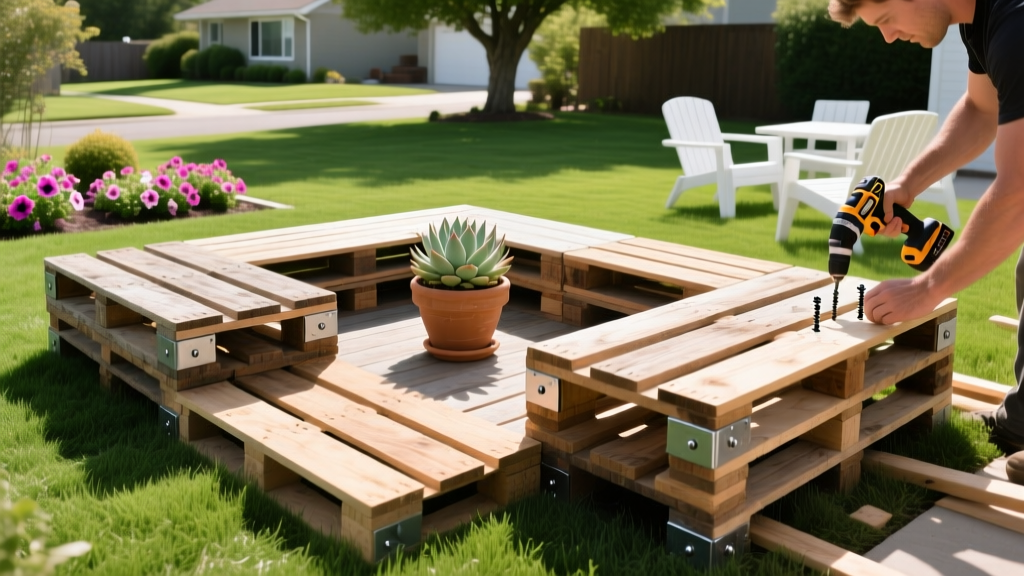
DIY Backyard Pallet Ideas: Step-by-Step Patio Builds
Upcycling shipping pallets into outdoor furniture is one of the most cost-effective landscaping upgrades available, but executing it safely and durably requires specific material knowledge. When searching for practical backyard pallet ideas, most guides skip the critical safety protocols regarding chemical treatments and the structural realities of pallet joinery. This guide provides exact specifications, 2026 material costs, and step-by-step instructions for building a modular patio lounge and a vertical herb trellis that will survive multiple seasons outdoors.
Sourcing Safe Pallets: The IPPC Stamp Decoder
Never use unmarked pallets or those sourced from chemical plants, agricultural feed stores, or grocery spill zones. You must verify the International Plant Protection Convention (IPPC) stamp burned into the wood. According to the USDA APHIS ISPM 15 guidelines, this stamp dictates how the wood was treated to prevent the spread of invasive insects.
⚠️ CRITICAL WARNING: Toxic Stamps
If you see the letters MB (Methyl Bromide) or SF (Sulfuryl Fluoride), leave the pallet. Methyl bromide is a highly toxic pesticide that off-gases and poses severe neurological and respiratory risks. The EPA strictly regulates wood preservatives and fumigants due to these hazards. Only use pallets stamped with HT (Heat Treated to 56°C for 30 mins) or KD (Kiln Dried).
Wood Species Identification
Pallet deck boards are typically dense hardwoods like white oak, which resist rot but require heavy sanding to prevent splinters. The thick center stringers (bearers) are usually Southern Yellow Pine (SYP). SYP is highly susceptible to ground-contact rot, meaning your finished build must be elevated off the soil or grass using composite shims or rubber patio pavers.
Essential Tools and 2026 Material Costs
Building a standard 4-pallet modular lounge requires structural fasteners and penetrating sealants. Do not use drywall screws; they lack sheer strength and will snap when the oak expands and contracts with humidity changes.
| Material / Tool | Specification | Estimated Cost (2026) |
|---|---|---|
| HT Pallets (x4) | 40x48 inch standard stringer | $0 - $20 (Free if sourced locally) |
| Structural Screws | GRK RSS 2.5' or Simpson SD 2.5' | $14.50 / box of 50 |
| Penetrating Oil Sealant | Thompson's Advanced Natural Wood | $28.00 / gallon |
| Abrasive Discs | 60-grit and 120-grit (5-inch) | $18.00 / 10-pack |
| Rubber Patio Pavers | 16x16 inch recycled composite | $35.00 / 4-pack |
Project 1: The Modular 4-Pallet Patio Lounge
This design creates a low-profile, deep-seated lounge chair. It uses two pallets for the seat base and two pallets deconstructed for the backrest frame.
Step 1: Disassembly and Milling
Use a reciprocating saw with a 6-inch bi-metal demolition blade to cut through the nails holding the backrest pallets together. Do not use a pry bar; prying splits the brittle oak deck boards. Once disassembled, run all salvaged boards through a planer or sand them aggressively with a random orbital sander starting at 60-grit to remove mill glaze and splinters, finishing at 120-grit for a smooth touch.
Step 2: Frame Assembly and Joinery
Stack two intact HT pallets to form the seat base. To prevent shifting, drill through the top deck boards of the upper pallet directly into the stringers of the lower pallet. Use four 3-inch structural lag screws at each corner and two in the center. For the backrest, attach the salvaged oak boards at a 15-degree backward angle to the rear of the top base pallet. Pre-drill all holes with a 3/16-inch bit to prevent the dense oak from splitting near the end-grain.
Step 3: Weatherproofing and Cushion Sizing
Film-forming finishes like polyurethane will trap moisture inside the pallet wood, leading to black mold and peeling within one season. You must use a penetrating oil-based sealer. Apply two heavy coats of Thompson's Advanced Natural Wood Protector, allowing 24 hours of curing time between coats. Standard outdoor bench cushions are too narrow; source 24-inch deep patio seat cushions and 20x20 back bolsters for proper ergonomic support.
Project 2: A-Frame Vertical Herb Trellis
If you are exploring space-saving backyard pallet ideas, an A-frame trellis utilizes the pallet's existing stringers as a rigid skeleton for climbing plants like jasmine or pole beans.
💡 Pro-Tip: Soil Containment
Do not staple landscape fabric directly to the outside of the pallet slats. The UV exposure will degrade the fabric, and soil will wash out during heavy rain. Instead, line the interior cavity of the pallet with heavy-duty 6-mil contractor plastic, puncturing drainage holes only at the very bottom edge.
- Prepare the Base: Cut the bottom deck boards off two identical HT pallets so the thick pine stringers can sit flush in the soil.
- Hinge the Apex: Stand the pallets up in an inverted 'V' shape. Use two 3-inch heavy-duty strap hinges screwed into the top stringers to lock the angle at roughly 60 degrees.
- Add Cross-Bracing: Screw a 2x4 wooden brace horizontally across the middle of the back to prevent the structure from collapsing under the weight of wet soil and mature vines.
- Fill and Plant: Fill the slat cavities with a 50/50 mix of premium potting soil and perlite for drainage. Plant trailing herbs like creeping thyme in the lower slats and upright growers like rosemary in the top.
Long-Term Maintenance: Preventing Rot and Splinters
The primary failure mode of pallet furniture is ground-contact rot. Even heat-treated pine will decompose rapidly if left sitting on damp grass. Always place 16x16-inch recycled rubber patio pavers under the four corners of your lounge build. This elevates the wood, allows airflow beneath the structure, and creates a clean visual boundary on your lawn.
'The lifespan of upcycled pallet furniture is entirely dependent on moisture management. Elevating the base by just two inches and re-applying a penetrating oil sealer every 18 months will extend the life of the oak from two years to over a decade.' — Master Carpenter & Landscape Fabricator Guidelines
Inspect the structural screws every spring. Because oak and pine expand at different rates during freeze-thaw cycles, the screws may back out slightly over time. A quick quarter-turn with an impact driver in April will ensure your backyard builds remain rigid and safe for the summer season.

