
Landscaping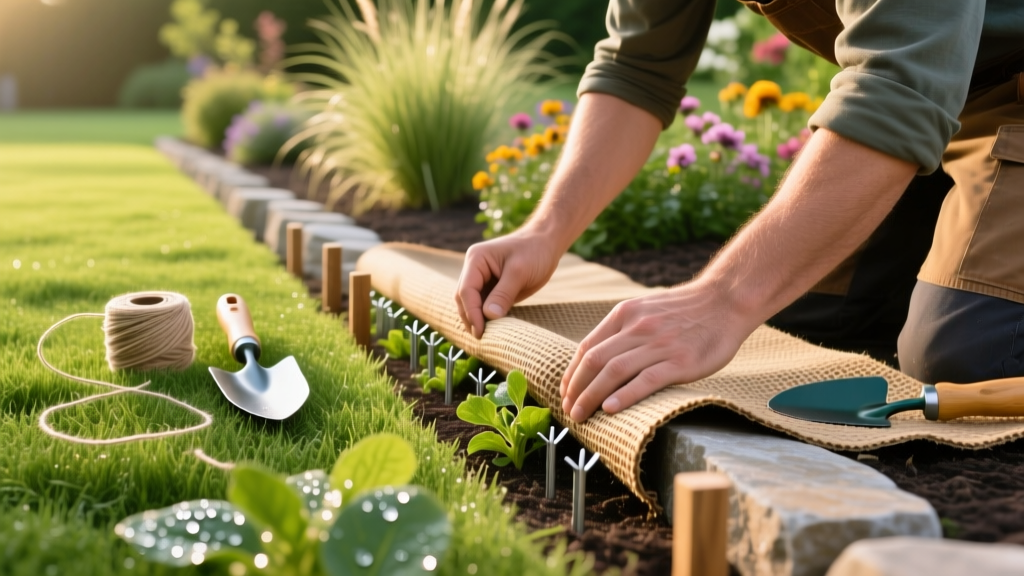
DIY Landscape Edging: A Chemical-Free Weed Barrier Guide
The Problem with Chemical Edging Strips
For decades, the standard practice for maintaining crisp landscape borders involved spraying a 6-inch strip of glyphosate or glufosinate along the edge of garden beds. While effective at killing creeping turfgrass, this chemical approach destroys the soil microbiome, leaves bare dirt vulnerable to worse invaders like nutsedge, and introduces unnecessary toxins into residential watersheds. Transitioning to organic, chemical-free landscape management requires replacing toxic herbicide strips with robust physical and biological barriers.
Executing a proper DIY landscape edging project using natural materials and mechanical trenching creates a permanent boundary that halts invasive rhizomes while promoting soil health. This guide details the exact measurements, material specifications, and installation protocols required to build a chemical-free weed barrier that withstands aggressive turfgrasses like Bermudagrass (Cynodon dactylon) and Quackgrass (Elymus repens).
The Biology of Turfgrass Creep
To build an effective barrier, you must understand how turfgrass spreads. Aggressive lawn grasses utilize two primary mechanisms to invade garden beds:
- Stolons (Above-Ground): Horizontal stems that creep across the soil surface, rooting at nodes. They are easily blocked by any vertical physical barrier extending just 1 inch above the soil line.
- Rhizomes (Below-Ground): Thick, fleshy underground stems that store energy and push through soil. Research shows that 90% of turfgrass rhizomes exist in the top 4 inches of the soil profile. To stop them, your physical or trenched barrier must extend at least 6 inches below the surface.
Expert Insight: If your DIY landscape edging only sits 3 inches deep, aggressive rhizomes will simply grow under the barrier and emerge inside your mulch beds, turning your garden into a lawn. Depth is non-negotiable in organic weed control.
Material Selection Matrix for Organic Edging
Not all edging materials are suitable for organic landscaping. Pressure-treated lumber, for example, leaches copper and arsenic into the soil, violating organic principles. Below is a comparison of the best chemical-free, non-leaching materials available in 2026.
| Material | Required Depth | Cost (per linear ft) | Lifespan | Organic Suitability |
|---|---|---|---|---|
| Corten Steel (ASTM A588) | 6 inches | $5.50 - $8.00 | 25+ years | Excellent (Non-toxic rust patina) |
| Untreated Moso Bamboo | 8 inches | $2.50 - $4.00 | 3 - 5 years | Good (Biodegradable) |
| Natural Cobblestone | 4" + trench | $10.00 - $15.00 | 50+ years | Excellent (Inert stone) |
| Recycled HDPE Composite | 6 inches | $3.50 - $5.50 | 15 - 20 years | Fair (Check for chemical binders) |
For the highest balance of longevity, organic safety, and ease of DIY installation, Corten steel is the industry gold standard. It develops a stable, protective rust layer that prevents further corrosion without leaching harmful biocides into your organic vegetable or ornamental beds.
Step-by-Step: The 'V-Trench' Installation Protocol
If you opt for a physical barrier like Corten steel, or if you prefer a purely mechanical 'English edge' (a trench with no physical material), the V-Trench method is mandatory. This technique creates an air gap and a physical cliff that rhizomes cannot cross.
Tools Required
- 9-inch half-moon edger (e.g., True Temper or Fiskars)
- Trenching shovel or sharpshooter spade
- Heavy-duty gardening gloves and steel-toe boots
- Flexible garden hose (for marking curves)
Execution Steps
- Mark the Boundary: Lay a garden hose to define the curve of your bed. Avoid sharp 90-degree corners; use sweeping radii (minimum 3-foot radius) to make future mowing and string-trimming easier.
- Cut the Turf Side: Using the half-moon edger, cut along the hose line on the lawn side. Angle the blade at 45 degrees, pushing it exactly 6 inches deep into the soil. This angled cut creates a clean, unsupported lip of turf.
- Cut the Bed Side: Move 4 to 6 inches into the garden bed and make a second cut, this time at a strict 90-degree vertical angle, also 6 inches deep.
- Extract the Wedge: Use the trenching shovel to pry out the V-shaped wedge of soil and turf. Compost the turf scraps or use them to repair bare patches elsewhere in the yard.
- Install the Barrier (Optional): If using Corten steel, slide the 6-inch panels into the vertical (bed side) cut, backfill with native soil, and tamp firmly. The top of the steel should sit exactly 0.5 inches above the soil grade to block surface stolons.
Critical Failure Mode: Do not pile the excavated soil on the lawn side of the trench. This creates a 'soil bridge' that allows turf rhizomes to grow over the top of your barrier. Always dispose of or relocate excavated soil away from the immediate edge.
Integrating Organic Sheet Mulching for Dual-Action Suppression
A physical edge stops lateral invasion, but it does nothing to stop weed seeds from germinating inside the bed itself. To maintain a truly chemical-free landscape, integrate your DIY landscape edging with organic sheet mulching. According to the University of Minnesota Extension, proper mulching techniques can reduce weed emergence by up to 90% while retaining soil moisture.
The Protocol:
- Lay down overlapping layers of uncoated, plain brown corrugated cardboard directly over the soil in the garden bed, stopping exactly 2 inches short of your physical edging or trench wall. (Leaving a small gap prevents the cardboard from wicking moisture out of the trench and keeps it hidden from view).
- Wet the cardboard thoroughly with a garden hose to initiate decomposition and conform it to the soil contours.
- Apply a 3-inch to 4-inch layer of coarse arborist woodchips over the cardboard. Avoid dyed mulches or rubber mulches, which introduce heavy metals and volatile organic compounds (VOCs) into the soil.
Chemical-Free Maintenance Tactics
Even with a perfect 6-inch Corten steel barrier and a V-trench, organic landscaping requires proactive maintenance. Stolons from aggressive grasses can occasionally bridge the gap via wind-blown debris or overhanging turf. When escapes happen, avoid reaching for synthetic herbicides.
- Mechanical Removal: Use a string trimmer to cut surface stolons before they root. Do this weekly during peak spring growth.
- Thermal Weeding: For weeds growing in the trench or against hardscape edges, use a propane flame weeder. This boils the water inside the plant cells, causing immediate wilting without soil contamination.
- Organic Spot Treatments: For stubborn escapes, use a 20% horticultural vinegar solution (acetic acid). The Environmental Protection Agency (EPA) notes that while organic alternatives like acetic acid are effective contact burners, they must be used carefully. Warning: Repeated use of high-concentration vinegar can lower soil pH and harm beneficial microbes, so reserve this strictly for spot-treating isolated weeds on hardscape surfaces, not inside your mulched beds.
Frequently Asked Questions
Can I use plastic poly-vinyl edging for organic garden beds?
While standard black plastic edging does not leach severe toxins, it is highly discouraged for organic landscapes. Plastic degrades under UV exposure, becoming brittle and shattering into microplastics that permanently contaminate your soil food web. Furthermore, it lacks the rigidity to stop aggressive rhizomes, which often push plastic edging out of the ground during winter freeze-thaw cycles.
How wide should the trench be if I am not using a physical barrier?
If you are relying solely on a mechanical V-trench (an English edge) without steel or stone, the trench must be at least 4 inches wide and 6 inches deep. You will need to re-cut this trench every 4 to 6 weeks during the growing season to remove soil creep and severed rhizomes. This is why installing a rigid Corten steel barrier is highly recommended to reduce long-term labor.
Will landscape fabric work instead of cardboard?
No. Woven or non-woven landscape fabric is a synthetic petroleum product that impedes gas exchange, blocks earthworm movement, and eventually becomes clogged with silt, turning into a solid barrier that harms soil biology. The UC Statewide IPM Program strongly recommends biodegradable organic mulches like cardboard and woodchips over synthetic fabrics for long-term soil health and weed suppression.

