
Landscaping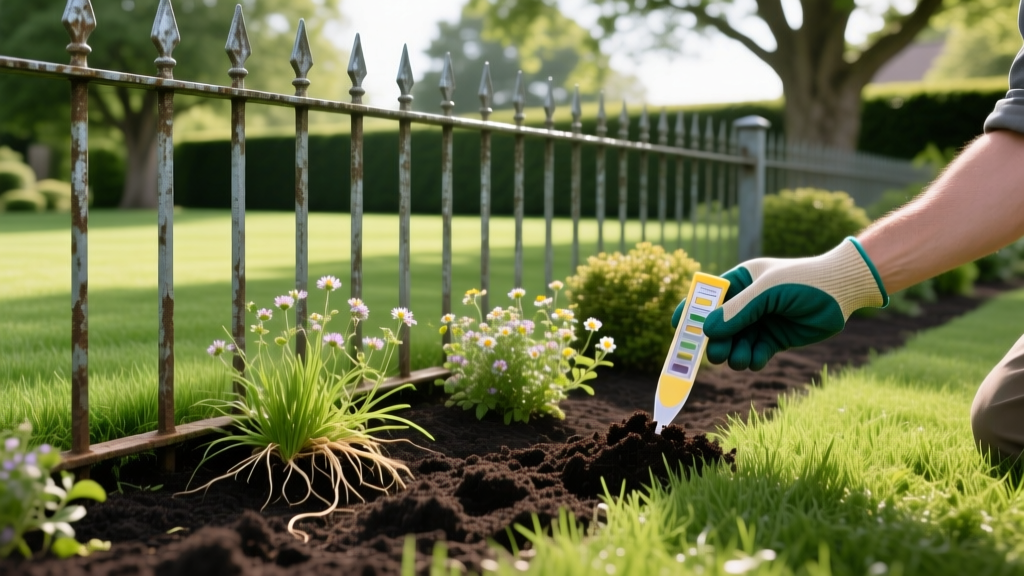
Managing Soil Nutrition and Plant Health Near a Metal Iron Fence
The 'Fence Line Effect' on Soil Chemistry and Structure
Installing a metal iron fence fundamentally alters the micro-environment of the soil within a 24-inch radius of the fence line. While homeowners often focus on the aesthetic appeal of wrought iron or steel barriers, the physical and chemical disruption to the underlying soil profile severely impacts plant nutrition. The two primary culprits are structural compaction from post-hole excavation and localized pH spikes from concrete footings.
When contractors set metal fence posts, they typically use fast-setting concrete mixes. Concrete is highly alkaline, with a fresh pH ranging from 12 to 13. Over time, rainwater and irrigation cause calcium carbonate to leach from the curing concrete into the surrounding soil. According to soil chemistry principles, this localized leaching can raise the soil pH in the immediate root zone from a neutral 6.5 to an alkaline 7.8 or higher. In alkaline conditions, essential micronutrients—specifically iron, manganese, and zinc—oxidize and become chemically locked, rendering them completely unavailable to plant roots.
Furthermore, the heavy foot traffic and equipment used during fence installation compress the soil pores, destroying the aggregate structure. This compaction reduces oxygen availability to the roots and limits the lateral movement of water-soluble fertilizers, meaning surface-applied granular nutrients often fail to reach the active root zone.
Myth vs. Fact: The Rusting Fence Misconception
Myth: A rusting metal iron fence leaches iron into the soil, curing iron deficiency in nearby plants.
Fact: Rust is iron oxide (Fe2O3), which is highly insoluble in water and unavailable to plants. Plants can only absorb iron in its ferrous state (Fe2+). Even if your metal iron fence is actively corroding, it is not providing plant-available iron. To correct deficiencies, you must apply specialized chelated iron fertilizers. For a deeper understanding of iron availability in soils, refer to the University of Minnesota Extension's guide on iron chlorosis.
Diagnosing Nutrient Deficiencies Along Fence Perimeters
Plants growing directly adjacent to a metal iron fence often exhibit distinct stress symptoms that differ from the rest of the yard. Recognizing these specific failure modes is critical before applying any amendments.
- Interveinal Chlorosis: The most common symptom of iron deficiency induced by concrete leaching. New growth emerges yellow or pale green, but the leaf veins remain distinctly dark green. This is frequently seen in acid-loving shrubs like azaleas, hydrangeas, and gardenias planted near fence lines.
- Nitrogen Tie-Up: If wood mulch or compost was heavily incorporated during the landscaping phase after fence installation, soil microbes will consume available nitrogen to break down the high-carbon organic matter, leading to stunted, uniformly yellowing older leaves.
- Desiccation and Heat Stress: Dark-colored metal iron fences absorb and radiate solar heat, raising the ambient temperature of the adjacent soil and foliage by 5°F to 10°F on sunny afternoons. This increases the transpiration rate, demanding higher potassium levels to regulate stomatal opening and water retention.
Soil Testing Protocol for Fence Lines
Do not guess your soil pH. Purchase a reliable digital pH meter or send a core sample to a local university extension lab. When sampling near a metal iron fence, use a soil probe to extract cores from three distinct zones: 6 inches from the fence, 18 inches from the fence, and 36 inches from the fence (the control zone). Compare the pH readings. If the pH near the fence is 0.5 to 1.0 points higher than the control zone, concrete leaching is the confirmed cause of your nutrient lockout.
Fertilizer Selection: Chelates vs. Sulfates
Standard ferrous sulfate fertilizers are virtually useless in the alkaline microclimates created by fence post concrete. As soon as ferrous sulfate dissolves in high-pH soil, it oxidizes into insoluble ferric hydroxide. To bypass this chemical lockout, you must use synthetic chelates—organic molecules that wrap around the iron ion, protecting it from soil reactions until the plant root absorbs it.
| Product Type | Active Ingredient | Effective pH Range | Avg. Cost (2026) | Best Use Case |
|---|---|---|---|---|
| Fe-EDDHA Chelate | Ethylene diamine-N,N'-bis | pH 6.0 to 9.0 | $18 - $24 / pint | Alkaline soils near concrete footings |
| Fe-DTPA Chelate | Diethylene triamine pentaacetate | pH 5.5 to 7.5 | $12 - $16 / pint | Slightly acidic to neutral soils |
| Ferrous Sulfate | Iron(II) sulfate heptahydrate | pH below 6.5 | $10 / 5 lbs | Acidic soils away from concrete |
| Elemental Sulfur | Oxidized sulfur (Soil acidifier) | Lowers pH over time | $15 / 4 lbs | Long-term pH correction |
Step-by-Step Remediation Plan for Fence Line Soil
Reversing the chemical and physical damage along a metal iron fence requires a phased approach. Follow this sequence to restore soil health and nutrient availability.
Phase 1: Alleviate Compaction and Improve Infiltration
Before applying fertilizers, you must open the soil profile. Avoid mechanical core aeration within 12 inches of the fence line, as this can damage the concrete footings or the protective powder-coating on the lower fence rails. Instead, use a liquid aeration product containing humic acid and saponins (such as N-EXT Air-8 or Simple Lawn Solutions Liquid Aerating Soil Loosener). Apply at a rate of 2 oz per 1,000 square feet and water deeply. This breaks down soil surface tension and allows subsequent nutrients to penetrate compacted clay.
Phase 2: Lower Localized pH
To counteract the concrete leaching, apply elemental sulfur. Soil bacteria (Thiobacillus) oxidize the sulfur into sulfuric acid, gradually lowering the pH. For a typical clay loam soil, apply 2 pounds of elemental sulfur per 100 square feet to drop the pH by one full point. Incorporate it into the top 2 inches of soil using a hand cultivator, being careful not to scratch the fence's finish. Note that sulfur takes 6 to 12 months to fully react, which is why Phase 3 is necessary for immediate results.
Phase 3: Apply Fe-EDDHA Chelated Iron
For immediate greening of chlorotic plants, use a liquid Fe-EDDHA chelate (such as Southern Ag Chelated Liquid Iron or Monterey Dr. Soil). Mix according to the label—typically 1 to 2 tablespoons per gallon of water—and apply as a soil drench directly over the root zone. The EDDHA molecule remains stable even in the high-pH environment created by the fence post concrete, delivering iron directly to the roots within 10 to 14 days. As noted by Clemson University Cooperative Extension, soil drenches are vastly superior to foliar sprays for long-term woody plant health.
Long-Term Maintenance Schedule
Maintaining plant health near a metal iron fence requires an ongoing strategy to manage the continuous, slow leaching of alkalinity from the concrete footings.
Annual Fence Line Nutrition Calendar
- Early Spring (March/April): Apply 1 lb of elemental sulfur per 100 sq ft along the fence line to proactively buffer the soil pH before the active growing season.
- Mid-Spring (May): Apply a slow-release, acid-forming fertilizer (such as Holly-tone or Miracid) to shrubs and perennials. These fertilizers contain ammonium sulfate, which naturally lowers the rhizosphere pH as plant roots absorb the nitrogen.
- Summer (June/July): Monitor for heat stress and interveinal chlorosis. If yellowing appears, apply a liquid Fe-EDDHA soil drench. Maintain a 3-inch layer of pine bark mulch to insulate the soil from the radiant heat of the metal fence.
- Late Fall (November): Top-dress the fence line with 1/2 inch of peat moss or composted oak leaf mold to introduce organic acids and improve soil structure before winter dormancy.
By understanding the unique chemical interactions between concrete footings, metal structures, and soil biology, you can successfully cultivate vibrant, nutrient-dense landscapes right up to the property line. Stop treating the fence line like the rest of the yard, and start managing it as a distinct microclimate requiring targeted soil nutrition.

