
Landscaping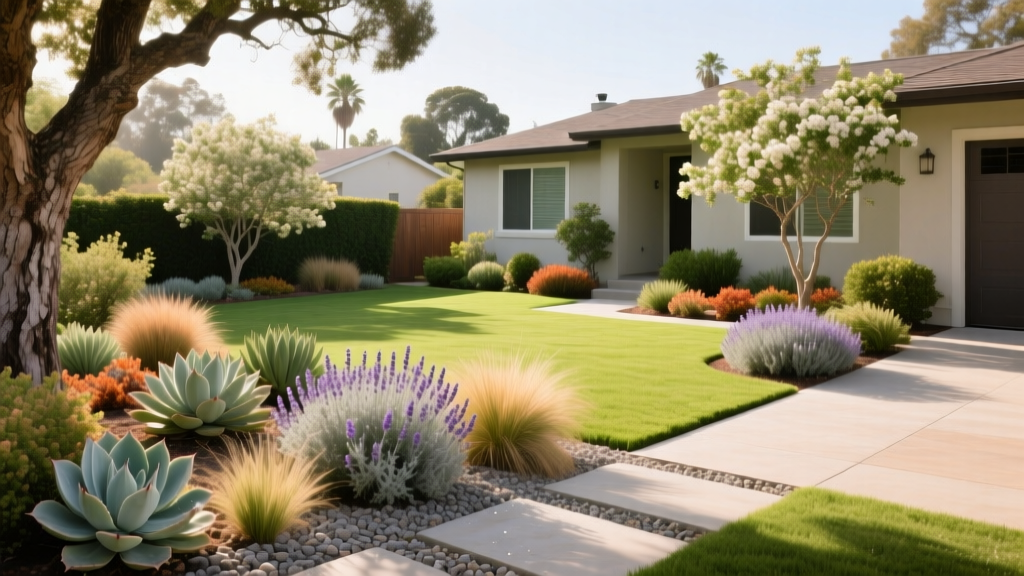
Seasonal Calendar for Fire Safe Landscaping California Next to House
Executing effective fire safe landscaping California next to house requires more than an annual weekend of clearing dead brush. With wildfire seasons expanding and embers traveling miles ahead of the fire front via Santa Ana and Diablo winds, the immediate five feet surrounding your home—legally defined as Zone 0 under California Assembly Bill 38—dictates whether your structure survives an ember storm. This zone demands a strict, seasonally timed maintenance calendar tailored to your specific microclimate.
According to the CAL FIRE Defensible Space guidelines, the vast majority of homes destroyed by wildfires are ignited by wind-blown embers, not the direct wall of flames. Embers accumulate in the nooks, crannies, and combustible materials directly touching or within five feet of your siding. To protect your property, you must align your hardscaping, pruning, and planting schedules with California's distinct seasonal moisture and wind patterns.
The Zone 0 Mandate (0–5 Feet)
Recent updates to the California Building Code (Chapter 7A) require a non-combustible Zone 0. This means absolutely no wood mulch, bark, combustible outdoor furniture, or firewood stored against the house. Replace these with 2-inch to 3-inch layers of decomposed granite (DG), river rock, or interlocking concrete pavers. Expect to pay between $3.50 and $6.00 per square foot for professional DG installation, including weed barrier and base preparation.
Spring (March – May): Hardscaping & Zone 0 Remediation
Spring offers the ideal window for major structural landscaping changes before the summer heat bakes the soil and vegetation. Soil moisture from winter rains makes excavation and hardscape installation manageable.
- Mulch Removal: Strip all wood chips, shredded bark, and pine straw from the 5-foot perimeter. Wood mulch can smolder undetected for hours before igniting siding.
- Hardscape Installation: Lay down 3/8-inch minus decomposed granite. Compact it thoroughly to prevent weed germination. DG costs approximately $45 to $65 per cubic yard (covering roughly 160 square feet at a 2-inch depth).
- Weed Abatement: Apply a pre-emergent herbicide or lay down heavy-duty woven geotextile fabric beneath your rock. Spring weeds dry out by June, becoming highly flappable fine fuels directly against your foundation.
- Gutter & Roof Prep: Install stainless steel micro-mesh gutter guards ($8 to $15 per linear foot). Embers landing in dry pine needle-filled gutters are a primary cause of attic ignitions.
Summer (June – August): Irrigation Management & Spark Prevention
Summer in California brings peak heat and the highest risk of human-caused ignitions. The focus shifts from structural changes to meticulous hydration and safe maintenance practices.
Red Flag Warning Equipment Ban
During Red Flag Warnings, never use metal-bladed string trimmers near rocks or hardscape. The friction between a metal blade and a rock generates sparks capable of igniting dry grass instantly. Switch to heavy-duty nylon line trimmers, or better yet, use manual hand-pulling or sheep grazing for Zone 1 (5–30 feet) vegetation management on high-wind days.
Strategic Hydration: While drought-tolerant native plants are preferred for fire resistance, they still require deep, infrequent watering during their first three summers to establish taproots. Use inline drip irrigation buried under 2 inches of gravel to deliver water directly to the root zone without wetting the surface, which discourages fast-growing, highly flammable surface weeds.
Autumn (September – October): Peak Danger & Ladder Fuel Elimination
Autumn brings the notorious Santa Ana winds in Southern California and Diablo winds in Northern California. These dry, high-velocity winds can push embers miles ahead of a fire front. Your landscaping must be stripped of "ladder fuels"—vegetation that allows fire to climb from the ground into the tree canopy.
The Vertical Clearance Rule
Prune all tree branches to a minimum height of 6 feet from the ground (or 1/3 of the tree's total height for smaller trees). For trees located within 30 feet of the house, ensure no branches overhang the roof or come within 10 feet of the chimney. Hire ISA-certified arborists for this work; expect to pay $150 to $350 per tree for professional limb-up and canopy thinning.
Remove all dead fronds from palm trees and deadwood from oaks. According to the Ready for Wildfire fuel reduction guidelines, maintaining horizontal spacing between shrubs is equally critical. Shrubs in Zone 1 should be spaced at a distance equal to twice their height to prevent fire from jumping laterally.
Winter (November – February): Strategic Planting & Design
Winter is the only safe and horticulturally sound time to plant new vegetation in California. The cooler temperatures and seasonal rainfall allow root systems to establish before the stressful summer heat.
Fire-Resistant Plant Selection Matrix
Not all plants burn equally. Fire-resistant plants typically have high moisture content, low resin or oil content, and open branching structures. Avoid plants with papery bark, needle-like leaves, or strong aromatic oils (which indicate volatile terpenes).
| Plant Category | High-Risk (Remove from Zones 0-1) | Fire-Resistant (Plant in Zone 1+) |
|---|---|---|
| Trees | Italian Cypress, Eucalyptus, Monterey Pine | Coast Live Oak, Toyon, California Sycamore |
| Shrubs | Juniper, Rosemary, Coyote Brush | Rockrose, Ceanothus 'Yankee Point', Coffeeberry |
| Groundcover | Ice Plant (older varieties), Pampas Grass | Dudleya, Creeping Thyme, Native Yarrow |
Regional Timing Adjustments: NorCal vs. SoCal
California's vast geography means a one-size-fits-all calendar fails. Coastal fog, inland valleys, and mountain foothills dictate different maintenance triggers.
- Northern California & Sierra Foothills: Snowpack and spring rains delay the drying of grasses. Zone 1 weed abatement and tree limbing should occur in late May through June. Winter planting windows extend into March due to cooler soil temperatures.
- Southern California & Inland Empire: The "fire season" is virtually year-round, but the Santa Ana winds peak from September to December. Major pruning and deadwood removal must be completed by late August before the autumn wind events begin. Winter planting is best done in November or December to catch the limited winter rain.
- Central Coast: Marine layer fog keeps coastal plants hydrated longer, but inland areas (like Paso Robles) dry out rapidly. Adjust your irrigation shutdown and dry-brush clearing to mid-June for coastal zones and early May for inland valleys.
Frequently Asked Questions on Compliance & Insurance
Does my home insurance require Zone 0 compliance?
Yes. Following the devastating 2017 and 2018 fire seasons, major insurers in California (and the state's FAIR Plan) now mandate strict adherence to the 5-foot non-combustible Zone 0. Failure to remove wood mulch or combustible fencing attached to the house can result in policy non-renewal. The Insurance Institute for Business & Home Safety (IBHS) Wildfire Prepared Home standard explicitly requires this 5-foot buffer for certification, which can lower your premiums.
Can I use artificial turf in Zone 0?
While artificial turf is non-combustible in the sense that it won't sustain a flame, it melts when exposed to intense radiant heat or direct embers, creating a toxic, difficult-to-clean mess. Furthermore, embers can lodge in the turf infill and smolder. Woven geotextile beneath 2 inches of crushed rock or decomposed granite remains the superior, code-compliant choice for the immediate 5-foot perimeter.
How do I handle wooden fences attached to the house?
Under current guidelines, the last 5 feet of any fence attaching to your home must be non-combustible. Replace the wooden section closest to the house with a metal gate, masonry wall, or composite material rated for wildfire exposure. A wooden fence acts as a wick, leading fire directly to your siding or eaves.

