
Landscaping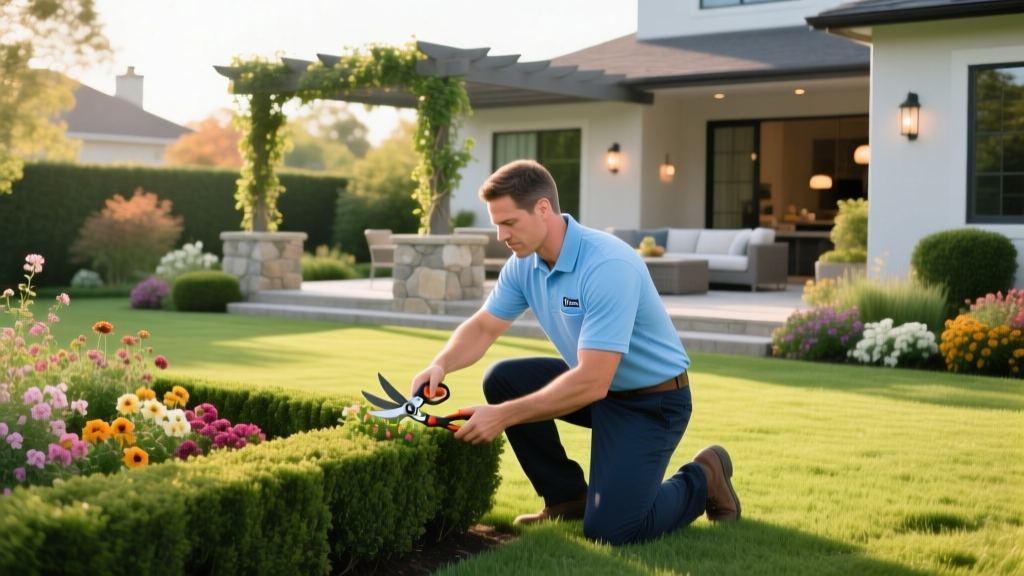
Choosing the Right Landscape Service Company: A Beginner Guide
Hiring a professional to transform or maintain your outdoor space is one of the highest-ROI investments you can make in your property, but it is also fraught with risk for first-time buyers. The term 'landscape service company' is an umbrella that covers everything from a solo operator with a riding mower to a multi-million-dollar design-build firm with in-house engineers. Misunderstanding this distinction is the most common mistake beginners make, leading to blown budgets, stalled projects, and subpar results.
This guide strips away the marketing jargon and provides a concrete, actionable framework for identifying, vetting, and contracting the right landscape service company for your specific needs, based on current industry standards and 2026 pricing benchmarks.
Defining Your Project: Maintenance vs. Design-Build
Before you request a single quote, you must categorize your project. The National Association of Landscape Professionals (NALP) divides the industry into two primary sectors. Hiring a maintenance crew for a hardscape installation, or a design-build firm for weekly mowing, will result in massive inefficiencies and inflated costs.
The 3-Tier Professional Breakdown:
- Lawn Care/Maintenance: Focuses on mowing, edging, leaf blowing, and basic seasonal cleanup. Best for ongoing yard upkeep.
- Lawn Care/Turf Management: Specializes in agronomy—fertilization, aeration, weed control, and soil health. Requires state-specific pesticide applicator licenses.
- Design-Build/Contractors: Executes structural and aesthetic overhauls, including patios, retaining walls, irrigation systems, and large-scale planting. Requires general contractor or specialized landscaping licenses (e.g., C-27 in California).
The 5-Point Vetting Checklist
Once you have identified the tier of professional you need, apply this strict vetting matrix. Do not proceed to the proposal stage until a company passes all five criteria.
- Verify State and Local Licensing: Landscaping licensing varies wildly by jurisdiction. In states like California, any landscape job exceeding $500 in total cost requires a C-27 Landscaping Contractor license. In other states, only a basic municipal business tax receipt is required. Always check your state's contractor board database.
- Demand a Direct Certificate of Insurance (COI): Never accept a photocopy of an insurance card. Require the company's broker to email a COI directly to you. It must show a minimum of $1,000,000 in general liability and active Workers' Compensation coverage. If an uninsured worker is injured on your property, you can be held liable for their medical bills.
- Check Industry Certifications: Look for specialized credentials that prove technical competence. For paver and retaining wall installations, verify Interlocking Concrete Pavement Institute (ICPI) or National Concrete Masonry Association (NCMA) certifications. For tree work, require an International Society of Arboriculture (ISA) Certified Arborist.
- Request 'Aged' Portfolio References: Anyone can make a patio look good on installation day. Ask the company for the addresses of three projects completed at least three years ago. Drive by or ask to visit them to see how their hardscapes have settled and how their plantings have matured.
- Evaluate the Site Walkthrough: A reputable professional will spend at least 45 minutes on-site before quoting. They should be checking soil drainage, identifying utility easements, and discussing sun exposure. If they quote a price from a few photos sent via text, walk away.
Decoding Landscaping Pricing Structures
Understanding how landscape companies price their work protects you from artificial low-balling and hidden change orders. Below is a benchmark table of average national costs for 2026. Prices will fluctuate based on regional labor rates, material availability, and site accessibility.
| Service Category | Average Cost Range | Pricing Model | What to Watch For |
|---|---|---|---|
| Weekly Maintenance | $45 - $95 per visit | Flat weekly/bi-weekly rate | Ensure edging and blowing are included, not billed as 'extras'. |
| Spring/Fall Cleanup | $250 - $700 per season | Flat seasonal rate | Verify if debris hauling and dump fees are included in the quote. |
| Softscape Installation | $12 - $28 per sq. ft. | Material + Labor | Check if soil amendment and compost tilling are factored into bed prep. |
| Hardscape (Patios/Walks) | $22 - $55 per sq. ft. | Material + Labor + Equipment | Base preparation (gravel depth, compaction) should be explicitly detailed. |
| Retaining Walls | $35 - $80 per sq. ft. (face) | Engineered + Material + Labor | Walls over 36 inches often require a structural engineer's stamp. |
| Full Yard Design-Build | $15,000 - $60,000+ | Phased project billing | Design fees ($500-$2,500) should be credited toward construction if you proceed. |
Contract Red Flags and Dealbreakers
The Federal Trade Commission (FTC) warns consumers against high-pressure sales tactics and vague contracts in the home improvement sector. When reviewing your landscape contract, immediately disqualify the company if you spot any of the following:
Absolute Dealbreakers:
- Upfront Payment Demands: Never pay more than 10% to 30% upfront. Standard industry practice is a 30% deposit to secure materials and schedule, with subsequent draws tied to specific milestones (e.g., '25% upon completion of base excavation').
- Permit Evasion: If a contractor says, 'We don't need a permit for that retaining wall or pergola, we do it all the time,' they are lying or cutting corners. Unpermitted structural work can result in municipal fines and force you to tear down the completed project.
- Vague Material Specifications: A contract that says 'install natural stone patio' is unacceptable. It must specify the exact stone type (e.g., 'Bluestone, thermal finish, 1.5-inch thickness'), base material depth (e.g., '6 inches of compacted crushed limestone'), and jointing sand type.
- No Lien Waiver Clause: Ensure your contract includes a mechanic's lien waiver. This protects you from subcontractors or material suppliers placing a lien on your home if the general landscape company fails to pay them.
Questions to Ask During the Final Walkthrough
Before signing the final check, conduct a walkthrough with the project manager. Use these specific questions to ensure the work meets professional standards:
- 'What is the warranty on the plant material versus the hardscape labor?' (Standard is 1 year for plants, 2-5 years for hardscape labor, and manufacturer warranties for materials like concrete pavers).
- 'Where are the as-built plans and utility line markings?' You need a physical or digital map showing exactly where new irrigation lines, drainage pipes, and low-voltage lighting wires were buried.
- 'What is the required curing time before we can place heavy furniture on the new concrete or paver surfaces?'
'The cheapest bid is rarely the most cost-effective. In landscaping, you are paying for the invisible work—the soil compaction, the drainage grading, and the root-zone preparation. When a company undercuts the market by 30%, they are almost always skipping the invisible work, which will cause your patio to sink or your plants to die within two years.' — Senior Project Manager, NALP-Certified Firm
Frequently Asked Questions
Should I hire a landscape architect or a landscape design-build company?
Hire a licensed Landscape Architect (requires a degree and state board exam) if your project involves complex topography, severe drainage issues, or requires municipal approval for environmental impact. Hire a Design-Build company for standard residential overhauls, patios, and planting plans, as they handle both the design and the physical construction in-house, streamlining communication and reducing costs.
How do I handle disputes over plant survival?
Reputable companies offer a one-year replacement warranty on trees and shrubs, provided you can prove you maintained their automated irrigation system. Always request the irrigation controller's run-time log from your smart system (like Rachio or Hunter Hydrawise) to prove you watered according to the company's specifications if a plant dies and a warranty claim is disputed.

