
Landscaping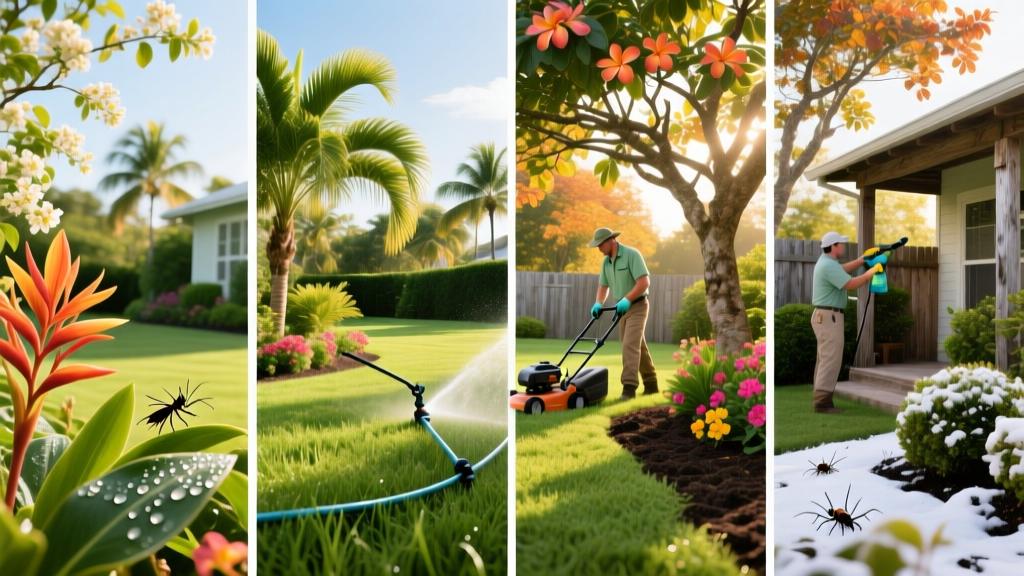
Florida Keys Landscaping Calendar: Seasonal Timing for Zone 11
The Unique Microclimate of the Florida Keys
Landscaping in the Florida Keys operates on an entirely different paradigm than the rest of the United States. Sitting firmly in USDA Hardiness Zone 11b, the Keys experience zero frost, highly alkaline oolitic limestone soils (pH 7.5 to 8.5), relentless salt spray, and a binary wet/dry season rather than a traditional four-season cycle. Successful Florida Keys landscaping requires aligning your construction, planting, and maintenance schedules with these distinct environmental triggers.
According to the UF/IFAS Monroe County Extension, attempting to apply mainland Florida landscaping timelines to the Keys results in high plant mortality, hardscape failures due to salt efflorescence, and severe drainage issues during the summer deluge. This calendar provides a month-by-month framework to optimize your outdoor spaces for the archipelago's extreme conditions.
The Dry Season (November - April): Hardscaping & Establishment
The dry season is the golden window for heavy outdoor construction and establishing new root systems. With rainfall dropping to roughly 1.5 inches per month and humidity levels falling, this is the time to execute major structural changes.
Hardscape Construction & Material Selection
Pouring concrete, setting retaining walls, and installing pergolas should be completed between December and March. The lack of afternoon thunderstorms allows curing compounds and sealers to set properly. When selecting materials for patios and walkways, avoid standard clay pavers, which spall rapidly in salt air. Instead, utilize:
- Coral Stone Pavers: Naturally porous and cool underfoot. Must be sealed with a penetrating siloxane sealer (like Prosoco SureKlean) to prevent salt efflorescence and algae staining. Expect to pay $14 to $19 per square foot for materials in 2026, factoring in Overseas Highway freight surcharges.
- Crushed Coquina Shell: The premier choice for permeable driveways and secondary walkways. It compacts well, drains instantly, and buffers soil alkalinity. Install over a 4-inch base of crushed limestone with a non-woven geotextile fabric to prevent weed intrusion.
Expert Soil Callout: Keys soil is essentially crushed coral and sand with virtually no organic matter or cation exchange capacity (CEC). Before planting, amend beds with a 50/50 mix of composted pine bark and peat moss to lower the localized pH and increase moisture retention. For acid-loving plants like Ixora or Croton, you must apply EDDHA-chelated iron every 60 days, as standard iron sulfate will instantly lock up in the alkaline limestone.
The Transition & Hurricane Prep (May - June)
As the dry season ends and sea surface temperatures rise, the focus shifts entirely to wind mitigation and canopy management. The Atlantic Hurricane Season officially begins June 1st, making May the critical month for structural pruning and hardscape securing.
Wind-Load Pruning & Fencing Upgrades
Never 'lion-tail' palms or shade trees (stripping lower fronds and leaving a heavy top), as this creates a massive wind-sail effect that snaps trunks during Category 3+ winds. Instead, practice 'canopy thinning'—removing no more than 15% of the interior live foliage to allow wind to pass through the canopy.
If you are replacing perimeter fencing before the storms hit, evaluate materials based on wind-shear tolerance rather than just aesthetics. The Florida Department of Environmental Protection strictly regulates coastal armoring and fencing to ensure debris does not compromise dune systems or public access.
| Material | Max Wind Load (mph) | Salt Corrosion Risk | 2026 Installed Cost (per linear ft) |
|---|---|---|---|
| Marine-Grade Aluminum (Powder Coated) | 130 - 150 | Low | $65 - $85 |
| Cellular PVC (Vinyl) | 110 - 130 | None | $55 - $75 |
| Pressure-Treated Pine (Stockade) | 90 - 110 | High (Rot/Rust) | $40 - $55 |
| Bamboo (Rolled Fencing) | 50 - 70 | Medium (Fungal) | $25 - $35 |
The Wet Season (July - October): Survival & Drainage
The wet season brings 5 to 7 inches of rain per month, 90% humidity, and daily afternoon deluges. Major construction should halt; the ground is too saturated to support heavy machinery without severe soil compaction. This season is dedicated to disease management, drainage maintenance, and nurturing heat-stressed turf.
Fungal Pathogen Management
The combination of high heat and constant moisture creates a breeding ground for Phytophthora root rot and Pythium blight, particularly in St. Augustine and Zoysia lawns. Preventative fungicide applications are non-negotiable for high-end Keys properties.
- Preventative Protocol: Apply a systemic fungicide containing Mefenoxam (e.g., Subdue MAXX) in late June before the daily rains begin. Rotate with a contact fungicide like Chlorothalonil every 30 days to prevent pathogen resistance.
- Irrigation Audits: Disable automated sprinkler systems and rely strictly on rain sensors. Overwatering during the wet season is the leading cause of turf death in the Keys.
Month-by-Month Action Matrix
Use this quick-reference matrix to keep your property maintenance aligned with the local microclimate.
- November: Begin dry season planting of salt-tolerant natives. Install low-voltage LED garden lighting (use marine-grade brass fixtures, not aluminum, to prevent galvanic corrosion).
- December: Apply a 2-inch layer of mulch (use melaleuca or pine bark, avoid cypress) to retain moisture during dry winter winds. Seal coral stone hardscapes.
- January: Prune deciduous trees and shape shrubs. Inspect pergola hardware and tighten stainless steel lag bolts.
- February: Plant bare-root palms and fruit trees (mango, avocado). Begin spring fertilization with a slow-release, low-phosphorus (to protect nearshore waters) palm special fertilizer.
- March: Peak tourist season. Focus on curb appeal: edge beds, refresh coquina walkways, and plant seasonal color (pentas, lantana).
- April: Final month for major hardscape installations before the ground saturates. Test and calibrate irrigation zones.
- May: Hurricane prep. Thin tree canopies, secure loose outdoor furniture, and clean all French drains and catch basins.
- June: Apply preventative fungicides. Monitor for spiraling whitefly and rugose whitefly on coconut and black olive trees.
- July: Halt all planting. Focus on drainage management and weed control in hardscape joints using a 20% horticultural vinegar solution.
- August: Peak heat. Monitor for chinch bugs in St. Augustine turf. Ensure mulch is kept 3 inches away from tree trunks to prevent collar rot.
- September: Peak hurricane month. Maintain emergency generator for sump pumps. Do not apply nitrogen fertilizer (it promotes weak, lush growth vulnerable to wind damage).
- October: Transition month. Begin clearing storm debris, aerate compacted turf, and prepare soil for November planting.
Native Plant Sourcing for Salt & Wind
When designing your landscape, prioritize native species that have evolved to withstand the Keys' specific stressors. The UF/IFAS guide on Salt-Tolerant Plants highly recommends integrating the following species into your design:
- Sea Grape (Coccoloba uvifera): Excellent for coastal windbreaks and privacy screens. Highly salt-tolerant and thrives in alkaline sand.
- Florida Keys Palm (Thrinax radiata): A small, clumping palm that withstands Category 4 winds without snapping. Perfect for understory planting beneath larger canopy trees.
- Coontie (Zamia pumila): A rugged, drought-tolerant cycad that serves as an excellent groundcover alternative to traditional mulch beds, requiring zero irrigation once established.
By strictly adhering to this regional calendar, you align your landscaping efforts with the natural rhythms of the archipelago, ensuring long-term structural integrity, plant health, and a drastically reduced maintenance burden.

