
Landscaping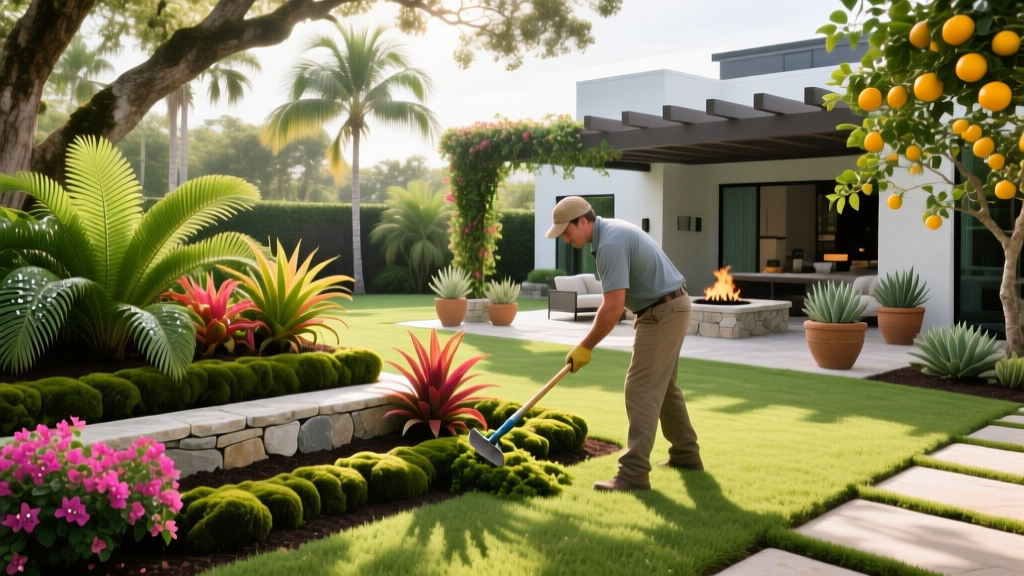
Florida Landscaping Ideas: A Seasonal Planting & Design Calendar
The Myth of Four Seasons: Understanding Florida's True Landscaping Calendar
Florida's climate defies the traditional spring-summer-fall-winter landscaping model. Instead, the state operates on a distinct wet and dry binary, complicated by three vastly different USDA hardiness zones (8b through 11b). Executing Florida landscaping ideas without respecting this regional calendar is the primary reason homeowners face dead sod, washed-out retaining walls, and blown budgets. A design that thrives in the Panhandle's winter will fail in Miami's summer heat if the installation timing is ignored. To build a resilient, high-ROI outdoor space, you must align your hardscape construction, softscape planting, and maintenance schedules with the state's actual meteorological rhythms.
USDA Zone Quick Reference for Timing:
North Florida (Zones 8b-9a): Experiences hard freezes; requires cold-hardy cultivars and strict winterization.
Central Florida (Zone 9b): Transitional; occasional frost but mostly subtropical. The most versatile planting zone.
South Florida (Zones 10a-11b): Tropical; zero frost. Year-round growing season but heavily constrained by summer humidity and hurricane winds.
North Florida (Zones 8b-9a): Experiences hard freezes; requires cold-hardy cultivars and strict winterization.
Central Florida (Zone 9b): Transitional; occasional frost but mostly subtropical. The most versatile planting zone.
South Florida (Zones 10a-11b): Tropical; zero frost. Year-round growing season but heavily constrained by summer humidity and hurricane winds.
The Dry Season (November – April): The Hardscape & Structural Window
Florida's dry season is the undisputed window for heavy construction, hardscaping, and structural landscaping. Low rainfall and lower water tables mean excavations for ponds and retaining walls remain stable, and concrete cures without moisture interference. If your Florida landscaping ideas involve patios, pergolas, or paved walkways, this is when you break ground.
Material Selection and 2026 Installation Costs
When designing patios and walkways during the dry months, material choice dictates longevity in Florida's high-UV, high-humidity environment. Here is a breakdown of premium hardscape materials and current installed pricing ranges:
- Travertine Pavers: ($19–$28 per sq. ft. installed). Travertine remains naturally cool underfoot, making it ideal for pool decks in Central and South Florida. Its porous nature allows for rapid drainage during sudden summer microbursts.
- Coquina Shell: ($5–$9 per sq. ft. installed). Highly popular in coastal North and Central Florida. It compacts into a semi-permeable surface that handles foot traffic well while blending naturally with native dune landscapes.
- Cast Stone Retaining Walls: ($45–$65 per linear ft. installed). Essential for managing the subtle but critical elevation changes in Central Florida to prevent foundation washouts.
Contractor Scheduling Tip: Avoid scheduling hardscape installations for March. The 'spring break rush' creates a 15-20% premium on labor rates as contractors prioritize high-margin commercial and luxury estate projects. Target January or early February for dry-season patio builds to secure better pricing and dedicated crews.
The Wet Season (May – October): Softscapes, Ponds, and Drainage
While summer afternoons bring torrential downpours and high humidity, the wet season is the biological engine of Florida's landscape. This is the optimal time for planting, establishing rain gardens, and installing water features. The consistent moisture eliminates the need for expensive temporary irrigation systems and forces deep root establishment before the next dry spell.
Strategic Planting for Wet Season Establishment
Planting native and Florida-Friendly species in June and July leverages the natural rainfall. According to the Florida-Friendly Landscaping™ (FFL) program, selecting plants adapted to the local microclimate reduces long-term water usage by up to 60%. Focus on these high-performing species during the wet window:
- Simpson's Stopper (Myrcianthes fragrans): Plant in June. This native shrub thrives in the wet season, establishing a deep taproot that makes it highly drought-tolerant by the following spring. It produces white spring flowers and red fall berries, attracting local pollinators.
- Dwarf Fakahatchee Grass (Tripsacum floridanum): Ideal for rain garden perimeters. Planting in July allows the root mass to anchor before tropical storm season peaks in September, preventing erosion in drainage swales.
- Live Oak (Quercus virginiana): If planting large caliper trees (3-inch trunk or larger), do so in late May. The summer rains will help the massive root ball settle and integrate with the native Myakka fine sand.
For water features, excavating a koi pond or natural swimming pool in August is physically demanding due to the heat, but the high water table ensures the EPDM liner settles correctly against the earth, preventing air pockets that can cause liner bulging later.
Regional Timing Matrix: North vs. Central vs. South Florida
Because the state spans over 500 miles of latitude, a single calendar does not apply statewide. Use this matrix to time your most critical landscaping tasks based on your specific region.
| Task | North FL (Zones 8b-9a) | Central FL (Zone 9b) | South FL (Zones 10a-11b) |
|---|---|---|---|
| Lay Warm-Season Sod (St. Augustine, Zoysia) |
April – May (Wait until soil temps hit 65°F+ to avoid frost heave) | March – April or September | Year-round, but best in May for rapid root-knit |
| Prune Crape Myrtles | Late February (Before spring bud break) | January – February | Rarely needed; only remove dead wood in January |
| First Fertilizer Application | April (Never fertilize before spring green-up) | March | February |
| Hurricane Tree Thinning | Not Applicable | May (Before June 1 hurricane season start) | May (Focus on canopy wind-flow reduction) |
Critical Failure Modes: When Good Ideas Meet Bad Timing
Even the best Florida landscaping ideas will fail if executed out of season. Avoid these expensive, time-sensitive mistakes:
1. The Winter Sod Disaster (North/Central Florida)
Laying St. Augustine or Zoysia sod in December or January in Zones 8b and 9a is a guaranteed way to lose your investment. While the sod may look green on delivery, the soil temperature is too low for root establishment. When a hard freeze hits, the unanchored turf suffers from frost heave, literally lifting the sod off the soil and killing the crown. Always wait until mid-April in North Florida, as recommended by the UF/IFAS guide to establishing your lawn.
2. The August Retaining Wall Washout
Building a dry-stack or mortarless retaining wall in August is highly risky. Florida's summer afternoon microbursts can drop two inches of rain in twenty minutes. If the base gravel and polymeric sand have not fully cured and settled, the hydrostatic pressure will wash out the foundation, causing the wall to lean or collapse within weeks. Keep structural masonry projects strictly in the dry season.
3. 'Hat-Pruning' Palms Before Hurricane Season
A common mistake among new residents is aggressively pruning palm fronds into a 'hurricane cut' (resembling a feather duster) in May, believing it reduces wind resistance. This actually weakens the trunk, starves the tree of vital nutrients, and makes it more likely to snap during a Category 3+ storm. Only remove fronds that are completely brown and pointing below the 9 o'clock and 3 o'clock horizontal lines.
Frequently Asked Questions
When is the best time to install landscape lighting in Florida?
Install low-voltage LED landscape lighting in late October or November. The dry soil makes trenching for 10-gauge direct burial wire clean and easy, and the earlier sunsets allow you to test and adjust beam angles and lux levels in the evening before the holiday season begins.
Can I plant citrus trees in the summer?
Yes, but only in Central and South Florida. Planting citrus in June allows the root ball to establish during the daily rain showers. However, you must monitor for citrus canker and greening, which spread rapidly in high humidity. In North Florida, wait until March after the final frost date to plant cold-hardy varieties like Satsuma tangerines.
How do I prepare my mulch beds for the wet season?
Refresh your mulch beds in late April using eucalyptus or melaleuca mulch rather than cypress. Apply a 3-inch layer, keeping it exactly 2 inches away from the trunks of trees and shrubs to prevent collar rot. This timing ensures the mulch is fresh enough to suppress summer weeds but aged enough not to wash away during the first heavy May thunderstorms.

