
Landscaping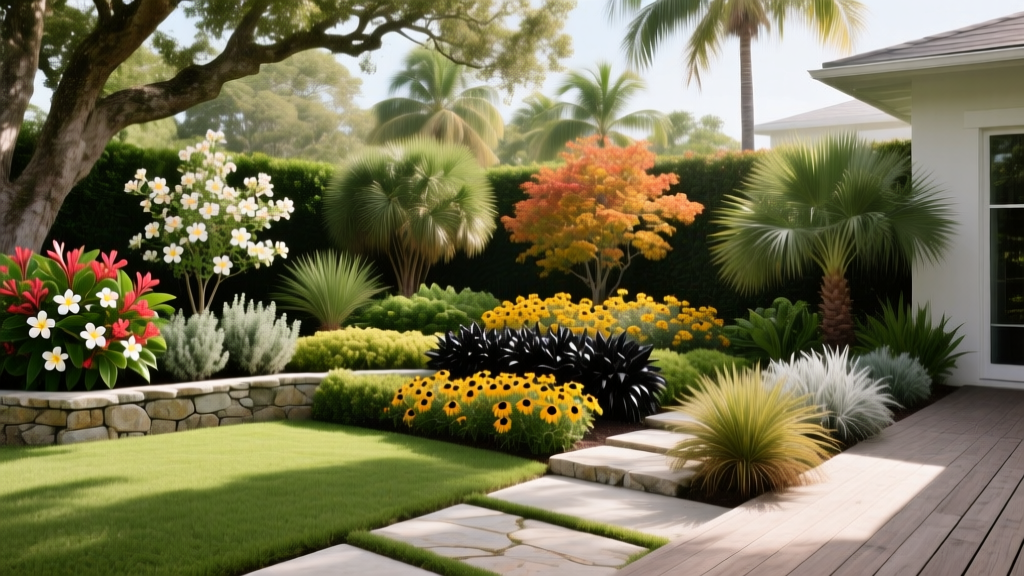
Seasonal Calendar for the Best Florida Plants for Landscaping
The Florida Landscaping Climate Conundrum
Designing a resilient outdoor space in the Sunshine State requires abandoning traditional four-season gardening paradigms. Florida operates on a distinct wet/dry cycle combined with extreme regional variances—from the freezing winter nights of the Panhandle (USDA Zone 8b) to the frost-free tropical corridors of the Keys (Zone 11a). Selecting the right Florida plants for landscaping is only half the battle; timing their installation to coincide with optimal soil temperatures and rainfall patterns dictates their long-term survival. According to UF/IFAS Gardening Solutions, planting out of sync with regional microclimates increases irrigation costs by up to 40% and drastically elevates the risk of Pythium root rot and transplant shock.
Core Principle: The goal of seasonal timing in Florida is to establish root systems during periods of moderate air temperature and consistent soil moisture, avoiding the dual extremes of summer heat stress and winter dormancy.
Spring (March–May): Establishing the Foundation
Spring in Florida is a rapid transition from dry, cool weather to high heat. The window for planting is narrow. In North Florida, wait until the last frost date (typically mid-March) before installing cold-tender species. In Central and South Florida, March and April are prime months to establish deep-rooted natives before the oppressive July humidity sets in.
Top Spring Picks & Planting Specifications
- Firebush (Hamelia patens): A fast-growing perennial shrub that attracts hummingbirds.
Spacing: 36 inches on center.
2026 Nursery Cost: $22–$28 per 3-gallon container.
Failure Mode: Crown rot occurs if mulch is piled against the main stem. Keep mulch 3 inches away from the trunk base. - Muhly Grass (Muhlenbergia capillaris): Provides striking pink fall plumes and exceptional drought tolerance once established.
Spacing: 18–24 inches for massing.
2026 Nursery Cost: $14–$18 per 1-gallon pot.
Failure Mode: Planting too deeply in heavy clay soils suffocates the rhizomes. Plant exactly at the soil line of the nursery pot.
Summer (June–August): Heat-Tolerant Additions & Storm Prep
Summer is Florida's wet season, characterized by daily afternoon thunderstorms, 90°F+ heat, and near-100% humidity. While it is generally a stressful time for new transplants, it is the ideal window for installing aquatic plants, rapid-establishment groundcovers, and large canopy trees that benefit from the heavy rainfall. However, fungal pathogens are highly active during this window.
Summer Warning: Avoid pruning or heavily fertilizing newly installed plants between July and August. Pushing new, tender foliage during peak hurricane season increases wind-sail effects and makes plants highly susceptible to insect predation.
Summer Planting Matrix
| Plant Species | Sun Requirement | Water Need | Est. Cost (3-Gal) |
|---|---|---|---|
| Coontie (Zamia integrifolia) | Part Shade | Low | $35–$45 |
| Beautyberry (Callicarpa americana) | Part Shade | Medium | $24–$30 |
| Dune Sunflower (Helianthus debilis) | Full Sun | Very Low | $12–$16 (1-Gal) |
Fall (September–November): The Prime Planting Window
Horticultural experts universally agree that autumn is the absolute best time to install Florida plants for landscaping. Air temperatures begin to drop, reducing transpiration rates, while soil temperatures remain warm enough to stimulate aggressive root growth. Plants installed in October will spend the next six months building a massive root network, preparing them to easily survive the following summer's drought.
'A tree or shrub planted in November in Central Florida will outperform an identical specimen planted in March by a margin of at least two years in overall structural maturity and drought resilience.' — Adapted from UF/IFAS Extension environmental horticulture guidelines.
Fall Root Establishment Protocol
- Excavation: Dig a hole exactly as deep as the root ball, but 2 to 3 times as wide. Florida's sandy soils do not require deep loosening, but wide lateral fracturing encourages horizontal root spread.
- Amendment: Do not backfill with imported topsoil. Use the native excavated soil. If the soil is pure builder's sand, mix in 15% composted pine bark by volume to increase water retention.
- Irrigation: Apply 2 to 3 gallons of water per inch of trunk caliper immediately after planting. Set up a micro-sprinkler or drip emitter to deliver 1 gallon daily for the first 14 days, tapering to every third day by week four.
Winter (December–February): Dormancy & Hardscape Integration
Winter landscaping in Florida varies wildly by latitude. In the Panhandle, deciduous trees and perennials enter dormancy. This is the safest time to transplant large, established specimen trees (like the Sabal palmetto) because their metabolic demands are at their lowest. In South Florida, winter is the dry season. It is an excellent time to install hardscaping, lay sod (which will root slowly but avoid fungal rot), and plant cold-hardy structural shrubs like Simpson's Stopper (Myrcianthes fragrans).
Regional Timing Adjustments: Panhandle vs. Peninsula vs. Keys
Applying a single calendar to the entire state guarantees failure in at least one region. Use this matrix to adjust your planting schedule based on your specific USDA Hardiness Zone.
| Region / Zone | Prime Planting Window | Avoid Planting | Key Regional Threat |
|---|---|---|---|
| Panhandle (8b-9a) | March & October | December - January | Hard freezes killing tropical transplants |
| Central (9b) | February & November | July - August | Extreme heat stress & root rot |
| South / Keys (10-11) | November - January | May - June (Dry peak) | Salt spray & severe drought |
Soil Preparation & Amendment Costs for 2026
Florida's native soil is predominantly Entisols—deep, excessively drained, and nutrient-poor quartz sand. To successfully establish high-value landscaping plants, soil modification is non-negotiable. As of 2026, premium organic compost (composted cow manure or municipal green waste) averages $42 to $55 per cubic yard delivered. For a standard 500-square-foot landscape bed requiring a 2-inch top-dressing, expect to spend roughly $120 on amendments. Always test your soil pH before planting; most Florida natives thrive in a slightly acidic range of 5.5 to 6.5. If your pH exceeds 7.5 (common in coastal areas with crushed shell fill), rely strictly on alkaline-tolerant species like Sea Grape (Coccoloba uvifera) or apply elemental sulfur at a rate of 1.5 lbs per 100 square feet to lower the pH.
Sourcing Authentic Florida Natives
When sourcing Florida plants for landscaping, avoid big-box garden centers that often stock 'Florida-Friendly' cultivars originating from northern nurseries. These plants lack the localized genetic adaptations to handle South Florida's limestone substrates or the Panhandle's winter freezes. Consult the Florida Native Plant Society directory to find accredited local nurseries that propagate from regional ecotypes. Investing 15% more upfront for locally sourced, genetically adapted plant material reduces long-term replacement and chemical intervention costs by over 60% across a five-year landscape lifecycle.

