
Landscaping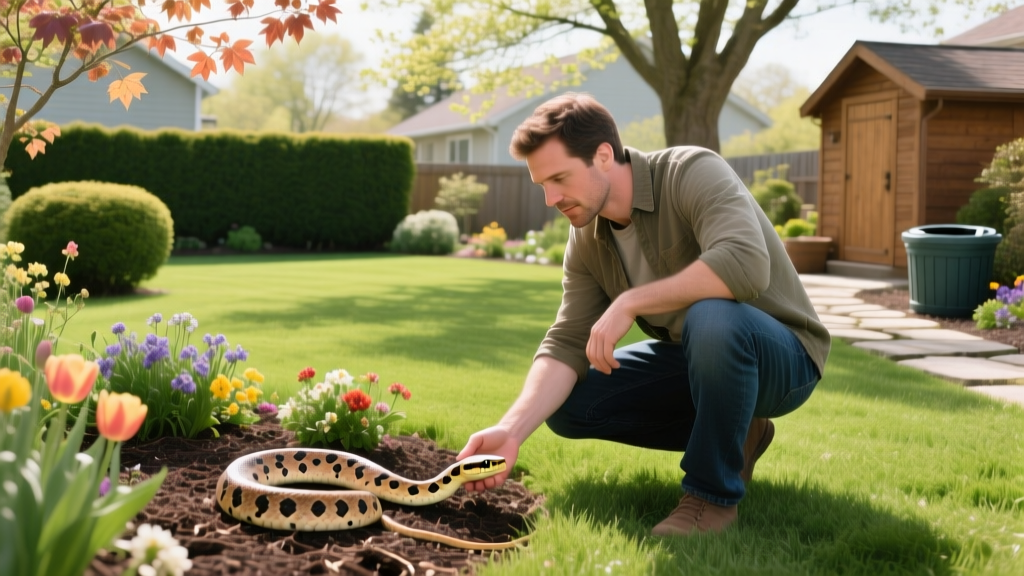
Found a Snake in Backyard? A Beginner's Landscaping Guide
Spotting a snake in backyard spaces triggers an immediate physiological response for most homeowners. While the instinct might be to grab a shovel or call an exterminator, understanding the intersection of wildlife biology and landscape design is the most effective way to manage these encounters. Most snakes found in residential yards are harmless, highly beneficial predators that keep rodent and insect populations in check. However, if you prefer a snake-free zone or live in an area with venomous species, strategic landscape modifications can make your property significantly less hospitable to them.
This guide provides actionable, beginner-friendly landscaping strategies to identify, safely remove, and deter snakes by altering the microclimates and structural elements of your yard.
Step 1: Identify the Snake in Your Backyard
Before altering your landscape, you must determine what you are dealing with. North America is home to over 100 snake species, but only a small fraction are venomous. When you find a snake in backyard garden beds, maintain a minimum distance of six feet. Use your smartphone to snap a photo of the snake's head and body pattern for later identification.
Key Identification Metrics: Pit vipers (copperheads, rattlesnakes, cottonmouths) possess a heat-sensing 'pit' located between the eye and nostril, and vertical, cat-like slit pupils. Harmless colubrids (rat snakes, garter snakes, corn snakes) typically have round pupils and lack this facial pit. Note: Head shape is not a reliable indicator, as many harmless snakes will flatten their heads when threatened to mimic venomous species.
| Species | Venomous? | Key Visual Markers | Landscape Preference |
|---|---|---|---|
| Eastern Rat Snake | No | Glossy black, white chin, up to 6ft long | Woodpiles, stone walls, attics |
| Common Garter Snake | No | Three longitudinal stripes, checkered pattern | Moist areas, pond edges, mulch |
| Northern Copperhead | Yes | Copper-colored head, dark hourglass crossbands | Leaf litter, rocky outcroppings |
| Timber Rattlesnake | Yes | V-shaped dark bands, rattle on tail tip | Heavy brush, fallen logs, tall grass |
Step 2: Safe Removal and Immediate Action
If the snake is harmless and simply passing through, the best action is often inaction. Snakes are transient; they will usually move on within a few hours once they realize there is no prey or shelter. If the snake has taken up residence under a shed or is blocking a high-traffic pathway, you can gently encourage it to leave.
- The Water Method: Use a garden hose with a spray nozzle set to a gentle, wide fan. Spray the ground a few feet behind the snake, slowly moving the stream closer. The sudden change in temperature and vibration will usually prompt the snake to slither away into the woods or a neighbor's yard.
- The Broom Guide: If the snake is on a hard surface like a patio, use a long-handled push broom to gently block its path and guide it toward an open exit. Never attempt to pin, grab, or strike the snake.
Warning: If you suspect the snake is venomous, if it has entered your home, or if it is cornered and displaying aggressive defensive posturing (coiling, hissing, striking), do not attempt removal. Contact your local animal control or a licensed wildlife removal professional. Expect to pay between $150 and $350 for emergency same-day extraction.
Step 3: Landscape Modifications to Deter Snakes
Snakes enter yards searching for two things: prey (mice, voles, frogs, insects) and shelter (cool, dark, moist hiding spots). By modifying your hardscaping, mulch choices, and vegetation density, you eliminate both attractants.
Hardscaping and Perimeter Fencing
The most foolproof physical barrier is a snake-proof fence. According to the University of California Integrated Pest Management program, standard chain-link or privacy fences do not stop snakes. You must install specific exclusion fencing.
- Material: Use 1/4-inch (0.6 cm) galvanized hardware cloth. Standard chicken wire (poultry netting) has gaps that are too large and will not stop small species like garter or ringneck snakes.
- Installation Angle: The fence must be at least 30 inches tall and angled outward at a 30-degree angle. Snakes can climb vertical surfaces, but the outward overhang defeats their climbing mechanics.
- Subsurface Trenching: Bury the bottom edge of the hardware cloth 4 to 6 inches deep and backfill with compacted soil to prevent snakes from burrowing underneath.
- Cost Estimate: Materials (hardware cloth, landscape staples, treated base boards) typically cost $1.50 to $3.00 per linear foot in 2026, depending on local lumber and steel prices.
Mulch and Groundcover Choices
Snakes are ectothermic (cold-blooded) and rely on their environment to regulate body temperature. Thick, moisture-retaining mulches create ideal microclimates for them and the rodents they eat.
| Mulch Type | Snake Attraction Level | Landscaping Impact & Deterrence Notes |
|---|---|---|
| Pine Straw / Needles | High | Retains moisture, creates deep air pockets. Avoid using near home foundations. |
| Shredded Hardwood | Medium | Compacts over time but still harbors insects and small mammals. |
| Cedar Mulch | Low | Naturally contains thujone, an oil that mildly repels snakes and insects. |
| Crushed Gravel / Lava Rock | Very Low | Sharp, uneven surfaces are uncomfortable for snake bellies; retains heat, eliminating cool hiding spots. |
Vegetation Clearance Metrics
Overgrown landscaping is the primary reason homeowners find a snake in backyard garden beds. Implement these strict maintenance metrics to reduce habitat suitability:
- Mowing Height: Maintain turfgrass at 2.5 to 3.5 inches. Grass taller than 4 inches provides a canopy that hides snakes from aerial predators (hawks, owls), making them feel secure.
- Shrub Elevation: Prune the lower branches of foundation shrubs (boxwood, azaleas, hollies) so the lowest foliage is at least 12 inches above the soil line. This removes the 'umbrella' effect that traps moisture and creates dark hiding zones.
- Groundcover Removal: Replace dense, creeping groundcovers like English ivy, creeping juniper, and pachysandra with open-structured ornamental grasses or low-growing, drought-tolerant sedums.
Step 4: Water Features and Pond Management
If your landscape includes a water feature, it acts as a magnet for amphibians (frogs, toads), which in turn attract garter snakes and water snakes. To reduce this attractant without eliminating your pond:
- Edge Design: Avoid shallow, sloping, muddy banks. Construct pond edges with steep, 45-degree or vertical drops using stacked limestone or concrete retaining blocks. This limits frog breeding habitats and makes it difficult for snakes to ambush prey at the water's edge.
- Debris Control: Use a pond skimmer to remove fallen leaves and algae mats, which serve as hiding spots for aquatic snakes and their prey.
The Ecological Case for Coexistence
Before spending thousands of dollars on hardscaping and exclusion fencing, consider the ecological value of non-venomous snakes. The New York State Department of Environmental Conservation notes that snakes are vital biological control agents.
'A single adult rat snake or black racer can consume over 100 rodents in a year. By eliminating these natural predators through landscaping eradication or lethal removal, homeowners often see a subsequent spike in tick-carrying mice, vole damage to root systems, and structural damage from burrowing rodents.'
If you live in an area where only harmless species are present, consider modifying only the immediate perimeter of your home (within 10 feet of the foundation) while leaving the outer edges of your property wild to support local biodiversity.
Seasonal Landscaping Maintenance Checklist
To ensure your yard remains uninviting to unwanted wildlife, follow this seasonal checklist. For more detailed regional advice, consult resources like Penn State Extension's wildlife management guides.
Spring (March - May)
- Clear winter debris: Remove fallen branches, old tarps, and accumulated leaf litter from fence lines.
- Inspect hardware cloth exclusion fences for frost heave damage and re-secure with landscape staples.
- Fill rodent burrows near foundations with a mixture of gravel and expanding foam.
Summer (June - August)
- Maintain strict mowing schedules; never let grass exceed 4 inches.
- Harvest fallen fruit from orchard trees immediately; rotting fruit attracts rodents, which attract snakes.
- Elevate firewood stacks at least 18 inches off the ground on metal racks, and move them away from the home's exterior.
Autumn (September - November)
- Rake and compost leaves; do not allow them to accumulate against retaining walls or shed foundations.
- Clean out gutters and downspouts to prevent pooling water near the foundation, which attracts insects and amphibians.
- Seal any cracks in concrete patios, stone veneers, or foundation walls larger than 1/4 inch using polyurethane caulk.
By treating your landscape as an interconnected ecosystem and making deliberate, data-driven choices about your hardscaping, mulch, and vegetation density, you can effectively manage snake encounters. Whether your goal is total exclusion or peaceful coexistence, understanding the environmental triggers that draw a snake in backyard spaces is the first step toward a safer, more controlled outdoor environment.

