
Landscaping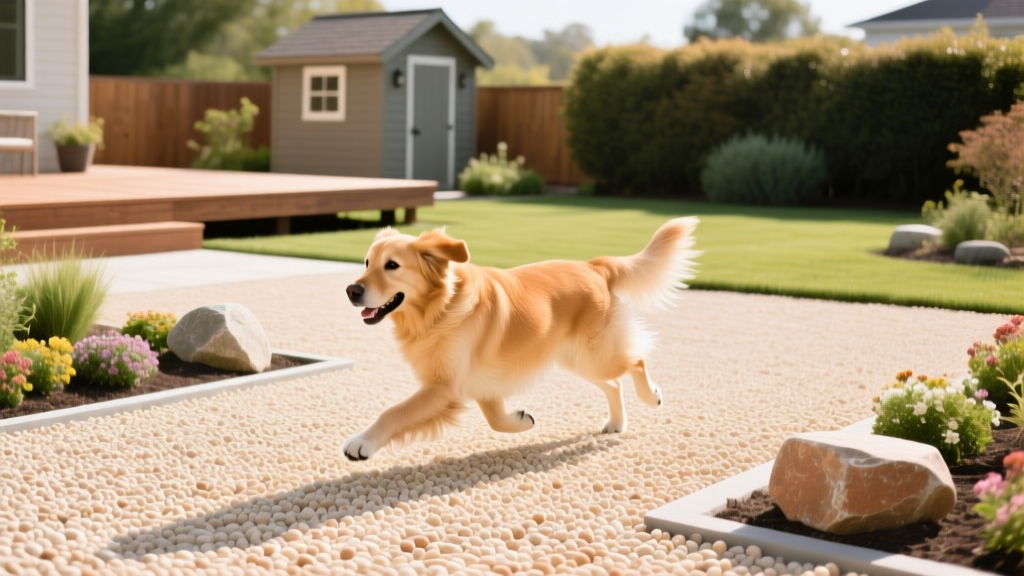
How to Install Pea Gravel for Dogs: Safe Yard Run Guide
The Biomechanics of Pea Gravel for Dogs
Using pea gravel for dogs is one of the most effective landscaping solutions for high-traffic yard areas, primarily because it offers superior drainage and eliminates the mud pits associated with bare soil or dying grass. However, not all gravel is created equal, and improper material selection can lead to lacerated paw pads, swallowed stones, and ruined landscaping beds. According to veterinary and canine care experts at the American Kennel Club, a dog's paw pads are resilient but highly susceptible to abrasion from sharp, angular stones.
When sourcing materials, you must specifically request 3/8-inch washed river pea gravel. Avoid crushed limestone, crushed granite, or any mechanically fractured stone. Crushed stones have jagged edges that act like sandpaper on canine paw pads, leading to hyperkeratosis or painful fissures. River-washed pea gravel is naturally tumbled by water, resulting in smooth, rounded edges that are comfortable for dogs to walk, run, and lie on. The 3/8-inch diameter is the optimal size: it is too large to easily get lodged between a dog's toes (unlike fine sand), but small enough to provide a stable, interlocking surface that doesn't shift excessively underfoot.
⚠️ Warning: The Pica Risk
If your dog has a history of pica (the compulsive eating of non-food items) or is an aggressive chewer who mouths rocks, pea gravel is a choking and intestinal blockage hazard. In these specific behavioral cases, abandon gravel entirely and opt for poured concrete, interlocking rubber pavers, or large-format flagstone with tight mortar joints.
If your dog has a history of pica (the compulsive eating of non-food items) or is an aggressive chewer who mouths rocks, pea gravel is a choking and intestinal blockage hazard. In these specific behavioral cases, abandon gravel entirely and opt for poured concrete, interlocking rubber pavers, or large-format flagstone with tight mortar joints.
Material Sizing, Depth, and 2026 Cost Breakdown
Calculating the correct volume is critical. A depth of 2.5 inches is the sweet spot for a dog run. Any shallower, and the dog's paws will push the gravel aside, exposing the weed barrier and creating tripping hazards. Any deeper, and the surface becomes too loose, making it difficult for older dogs or those with joint issues to walk comfortably.
| Material | Specification | Est. 2026 Cost | Total for 10x20 Run |
|---|---|---|---|
| Washed River Pea Gravel | 3/8-inch smooth, 2.5" depth | $45 - $65 / ton | $135 - $195 |
| Geotextile Weed Barrier | Woven, commercial grade (>100 lbs tensile) | $0.60 - $1.10 / sq ft | $120 - $220 |
| Landscape Edging | Heavy-duty steel or aluminum, 4" height | $6.00 - $9.00 / linear ft | $360 - $540 |
| Base Aggregate (Optional) | 3/4-inch crushed drainage rock, 1" depth | $30 - $40 / ton | $45 - $60 |
Step-by-Step Installation Protocol
The Humane Society emphasizes that proper yard containment and drainage are vital for canine health and neighborhood sanitation. Follow these exact steps to ensure your pea gravel dog run withstands heavy use and severe weather.
Step 1: Excavation and Grading
Mark the perimeter of your dog run using landscaping paint. Excavate the entire area to a depth of 4 inches. This depth accounts for a 1-inch base layer (if using), the thickness of the edging, and the 2.5 inches of pea gravel. Crucially, you must establish a 1% to 2% slope (a drop of 1/8 to 1/4 inch per linear foot) away from your home's foundation or toward a designated French drain. Without this slope, urine and rainwater will pool beneath the gravel, creating an anaerobic, foul-smelling mud pit.
Step 2: Install Heavy-Duty Edging
Do not use cheap, flexible plastic bender board. Dogs will easily dig under it, and UV exposure will make it brittle within two seasons. Install 4-inch or 6-inch galvanized steel or powder-coated aluminum landscape edging. Drive the steel stakes into the ground at a 45-degree angle away from the gravel zone to resist the outward lateral pressure of the stones and the impact of digging paws. Ensure the top of the edging sits about 1/2 inch below the final grade of the pea gravel to prevent the stones from bouncing out when dogs run.
Step 3: Lay the Base and Geotextile Fabric
If your native soil is heavy clay, lay down 1 inch of 3/4-inch crushed drainage rock and compact it with a hand tamper. Next, roll out a woven geotextile fabric. Avoid the thin, black, non-woven plastic sheets sold at big-box hardware stores; dog claws will puncture them in weeks, and they restrict water percolation. Woven commercial-grade fabric allows water and urine to drain instantly while blocking weeds. Overlap all seams by at least 6 inches and secure them with 6-inch landscape staples every 3 feet.
Step 4: Spread and Level the Pea Gravel
Dump the washed pea gravel in piles across the fabric. Using a heavy-duty landscaping rake, spread the gravel to a uniform depth of 2.5 inches. Do not compact the pea gravel itself; its drainage capability relies on the void spaces between the smooth stones. Walk the perimeter to ensure the gravel is tight against the steel edging with no gaps.
The Sanitation and Drainage Protocol
Maintaining a pea gravel dog run requires a different approach than maintaining grass. Solid waste is easily managed, but liquid waste requires specific biological interventions.
- Solid Waste Removal: Use a pooper scooper with narrow, closely spaced metal tines. Wide plastic scoops will pick up too much gravel. Alternatively, a specialized gravel rake with 1/2-inch gaps allows the stones to fall through while catching the waste.
- Urine Management: Urine drains rapidly through the 3/8-inch gravel and geotextile fabric into the soil below. However, the salts and uric acid can crystallize on the stones over time, causing an ammonia odor. Once a month, spray the entire run with a pet-safe enzymatic cleaner (such as Nature's Miracle Yard Odor Eliminator) attached to a garden hose. The enzymes break down the uric acid crystals at a molecular level.
- Deep Cleaning: Twice a year (spring and fall), use a leaf blower on a low setting to clear fallen leaves and debris from the surface. If the gravel becomes heavily soiled, use a rake to turn the top inch of gravel, exposing the lower layers to sunlight, which naturally kills surface bacteria.
Troubleshooting Common Dog Run Failures
Even with perfect installation, dog behavior can test the limits of your landscaping. Here is how to handle the most common edge cases.
Problem: The Dog is Digging and Exposing the Fabric
The Fix: If your dog is a dedicated digger, the 2.5-inch gravel layer isn't enough to deter them. You have two options. First, install a layer of 1/2-inch hardware cloth (galvanized steel wire mesh) directly on top of the geotextile fabric before laying the gravel. The dog will feel the wire through the stones and stop digging. Second, bury the steel edging 12 inches deep, or pour a shallow concrete footer beneath the fence line to prevent them from tunneling out of the enclosure entirely.
Problem: Gravel is Scattering onto the Surrounding Lawn
The Fix: This happens when the edging is too low or the gravel is laid too thick. Ensure your steel edging protrudes at least 1 inch above the gravel surface. If the run is in a high-traffic turning zone (like near the gate or a favorite sunbathing spot), the dog's paws will naturally kick the gravel outward. In these specific 4x4 foot high-wear zones, install interlocking gravel stabilizer grids (like TRUEgrid or BaseCore). These plastic honeycomb cells lock the pea gravel in place while still allowing 100% water permeation.
Problem: Weeds are Pushing Through the Gravel
The Fix: Weeds in a dog run almost always indicate that the wrong weed barrier was used, or the barrier was torn during installation. If weeds appear, do not use chemical herbicides like glyphosate, as these are toxic to dogs if ingested while grooming their paws. Instead, spot-treat weeds with a horticultural vinegar solution (20% acetic acid) on a hot, sunny day, or manually pull them, ensuring you extract the root so it doesn't tear the geotextile fabric further.
"The success of a pea gravel dog run relies 90% on the base preparation and edging. If you skip the steel edging or use cheap plastic weed barrier, you will be rebuilding the entire run within 18 months. Invest in the sub-surface infrastructure, and the gravel will serve your dog safely for a decade."
By strictly adhering to the 3/8-inch washed river gravel specification, enforcing a 1% drainage slope, and utilizing commercial-grade woven geotextiles, you create a sanitary, highly durable outdoor space that protects both your dog's physical health and your property's landscaping integrity.

