
Landscaping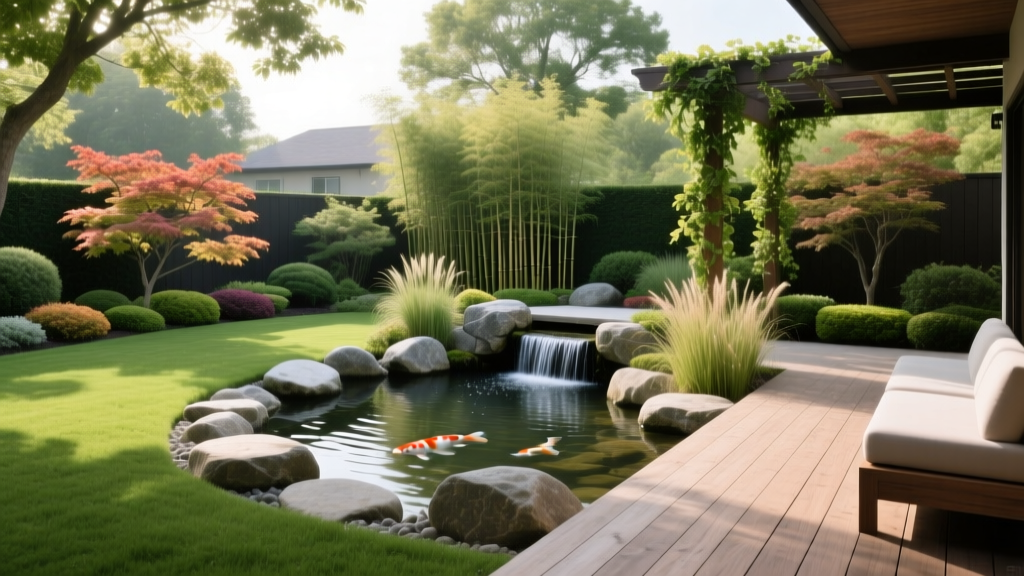
Practical Koi Ponds Ideas: A Step-by-Step Backyard Build Guide
Designing a habitat for Cyprinus rubrofuscus (domestic koi) requires balancing aesthetic landscape design with rigorous biological life support. Unlike standard water gardens, koi generate a massive bioload. A single adult koi can produce enough ammonia to crash an undersized filtration system in 48 hours. Moving beyond superficial Pinterest boards, this guide provides actionable, engineer-level koi ponds ideas and a practical construction framework for homeowners planning a backyard build in 2026.
The Reality of Koi Pond Sizing and Depth
The most common failure in backyard pond construction is undersizing the basin. Koi grow rapidly, often reaching 24 to 30 inches in length within three years. Shallow ponds suffer from extreme temperature fluctuations and leave fish vulnerable to wading predators like great blue herons.
According to aquatic management guidelines from the USDA Natural Resources Conservation Service, proper water volume provides thermal mass, stabilizing temperatures during summer heatwaves and winter freezes. For year-round koi keeping in USDA Hardiness Zones 6 and below, a minimum depth of 4 feet is mandatory to prevent the pond from freezing solid and to allow fish to enter a state of torpor safely at the bottom.
| Pond Dimensions (L x W x D) | Approx. Volume (Gallons) | Max Adult Koi Capacity | Est. Excavation Cost (DIY) |
|---|---|---|---|
| 8' x 6' x 3' | 1,077 | 2 - 3 | $400 - $600 |
| 12' x 8' x 4' | 2,872 | 6 - 8 | $900 - $1,400 |
| 16' x 10' x 4.5' | 5,385 | 12 - 15 | $1,800 - $2,500 |
| 20' x 15' x 5' | 11,220 | 25 - 30 | $3,500 - $5,000 |
Note: Volume calculated using the formula: Length x Width x Average Depth x 7.48. Max capacity assumes 250+ gallons per adult fish and high-end filtration.
4 Practical Koi Ponds Ideas for Your Landscape
When integrating a pond into your existing hardscape, the edge treatment and filtration concealment dictate the final look. Here are four highly functional design concepts:
1. The Formal Raised Edge
Ideal for small urban yards or patio integrations. Construct 24-inch to 30-inch raised walls using poured concrete or mortared block, capped with smooth limestone or bluestone. This design eliminates surface runoff (which carries lawn fertilizers and pesticides into the water) and provides comfortable seating. The filtration equipment can be easily hidden behind the raised wall or inside an adjacent faux-rock enclosure.
2. The Constructed Wetland (Bog) Filter
Instead of hiding plastic filter boxes, use a shallow, gravel-filled adjunct basin as your primary biological filter. Water is pumped into the bottom of the bog, rises through 12 inches of pea gravel, and spills back into the main pond. Aquatic plants like taro, water iris, and pickerelweed consume the nitrates directly. This creates a naturalistic, plant-heavy aesthetic while handling massive bioloads with zero visible plastic equipment.
3. Modern Geometric with Sheer Descent
For contemporary architecture, build a strict rectangular pond lined with dark 45-mil EPDM or black fiberglass. Install a stainless steel sheer descent waterfall on one axis to create a glass-like sheet of water. The dark background dramatically enhances the red and white colors of Kohaku and Sanke koi varieties, making them appear to float in mid-air.
4. The Woodland Stream Integration
If your yard features a natural slope, excavate a meandering stream that feeds into a lower basin. Use locally sourced fieldstone for the stream bed, securing larger boulders with expanding polyurethane waterfall foam. This design maximizes aeration through constant surface agitation and blends seamlessly into shaded, fern-heavy garden beds.
Step-by-Step Construction: Excavation to Liner
Proper basin preparation prevents liner punctures and structural failure. Follow this sequence for a flexible liner build:
- Marking and Shelving: Use a garden hose to outline the pond. Excavate a 12-inch wide, 12-inch deep marginal shelf around the perimeter for aquatic plant baskets and shallow-water wading. Then, dig the main basin to your target depth (minimum 3.5 feet).
- Compaction and Root Removal: Tamp the soil firmly. Remove all sharp rocks, roots, and glass. According to Penn State Extension Pond Management protocols, failing to remove organic debris under the liner will result in trapped methane gas bubbles that push the liner upward over time.
- Underlayment Deployment: Never use old carpet or newspaper. Install a commercial 8-oz non-woven geotextile underlayment. Overlap seams by at least 12 inches. This protects the liner from subsidence and rodent burrows.
- Liner Installation: Unfold a 45-mil EPDM rubber liner (brands like Firestone or Carlisle) on a warm, sunny day to increase pliability. Center it over the hole and push it into the corners. Allow 2 feet of excess overlap on all sides.
- Plumbing the Bottom Drain: Cut an exact hole for your bottom drain flange. Sandwich the liner between the top and bottom flanges, tightening the stainless steel hardware evenly to create a watertight seal. Connect 2-inch or 3-inch schedule 40 PVC pipe to the filtration set.
Warning: Avoid Anti-Puncture Pads with Adhesives
Do not use roofing underlayments or tar-paper that contain petroleum distillates. These chemicals will degrade the EPDM rubber and leach toxins fatal to koi. Only use certified non-woven geotextile pond underlayment.
Do not use roofing underlayments or tar-paper that contain petroleum distillates. These chemicals will degrade the EPDM rubber and leach toxins fatal to koi. Only use certified non-woven geotextile pond underlayment.
Filtration and Plumbing Specifications
A koi pond is essentially a recirculating aquaculture system. The goal is to process ammonia into nitrite, and nitrite into nitrate, before it reaches toxic thresholds (above 0.25 ppm for ammonia/nitrite).
'For heavily stocked koi ponds, the entire water volume must pass through the filtration system at least 1.5 times per hour. A 2,000-gallon pond requires a pump delivering 3,000 to 4,000 gallons per hour (GPH) after accounting for head loss from piping and waterfall elevation.'
Recommended Equipment Matrix:
- Mechanical Filtration: Oase BioTec Screenmatic 9000 or a DIY stainless steel sieve. This removes physical waste (feces, uneaten food) before it breaks down in the water column.
- Biological Filtration: A Moving Bed Biofilm Reactor (MBBR) chamber filled with K1 Micro media. The media must tumble constantly via air diffusers to provide oxygen to nitrifying bacteria (Nitrosomonas and Nitrobacter).
- UV Clarifier: Essential for eradicating suspended single-cell algae (green water). Size at 10 watts per 1,000 gallons of flow. For a 3,000-gallon system, install a 30-watt inline UV unit.
- Circulation Pump: Aquasurge 4000 or Oase AquaMax Eco Classic. Variable speed models allow you to dial back flow during winter months when fish metabolism slows.
2026 Cost Breakdown: DIY vs. Professional Installation
Material costs for pond construction have stabilized following recent supply chain adjustments, but specialized koi equipment remains a premium investment. Below is a realistic cost matrix for a standard 2,500-gallon pond build in 2026.
| Component | DIY Build Cost | Professional Build Cost |
|---|---|---|
| Excavation & Soil Removal | $400 (Dumpster rental) | $2,500 - $4,000 |
| 45-mil EPDM Liner & Underlayment | $850 - $1,100 | $1,500 - $2,000 |
| Filtration System (MBBR & Sieve) | $1,800 - $2,400 | $3,500 - $5,000 |
| Pumps, UV, and PVC Plumbing | $900 - $1,200 | $1,800 - $2,500 |
| Boulders, Flagstone, & Gravel | $600 - $1,000 | $2,500 - $4,500 |
| Labor & Design Fees | $0 (Sweat equity) | $8,000 - $15,000 |
| Total Estimated Cost | $4,550 - $6,100 | $19,800 - $33,000 |
Frequently Asked Questions
Can I use a preformed fiberglass shell instead of a liner?
Yes, but options are limited. Most preformed shells max out at 1,000 gallons and rarely exceed 3 feet in depth. For serious koi keeping, a custom-excavated EPDM liner or a professionally shot-crete (gunite) basin is vastly superior for achieving the necessary depth and custom plumbing integration.
How do I protect the pond from raccoons and herons?
Depth is your primary defense; herons cannot wade in water deeper than their legs (approx. 2.5 feet). Ensure your deep zone drops straight down without sloping shelves that allow wading. For raccoons, install a motion-activated sprinkler or a submerged perimeter netting grid 12 inches below the surface to block their access to the fish.
What is the ideal winterization protocol for koi?
Never let the surface freeze completely solid. Stop feeding the fish when water temperatures drop below 50°F (10°C), as their digestive tracts shut down. Keep a pond de-icer or an aeration disc running to maintain a hole in the ice, allowing toxic off-gassing from decaying organic matter at the bottom to escape into the atmosphere.

