
Landscaping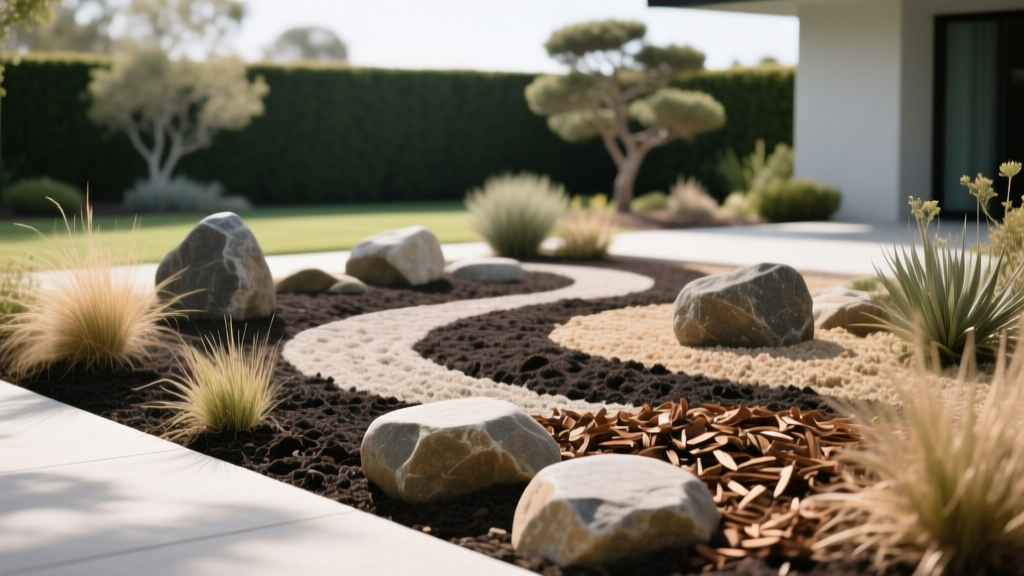
Landscaping with Rocks and Mulch: A Soil-First Design Guide
The Soil Science Behind Rock and Mulch Combinations
Landscaping with rocks and mulch is frequently treated as a purely cosmetic endeavor, but from a soil amendment perspective, it is a critical microclimate management system. When organic mulch and inorganic stone are combined correctly, they create a symbiotic environment: the mulch decomposes to feed soil microbes and improve cation exchange capacity (CEC), while the rocks provide thermal mass, reduce surface evaporation, and protect the mulch layer from wind displacement.
However, the physical interaction between stone and organic matter dictates soil health outcomes. Dark-colored rocks like black lava rock absorb solar radiation and can raise the surface temperature of adjacent mulch by 10°F to 15°F. This accelerated heat increases the decomposition rate of high-carbon mulches (like pine bark), temporarily tying up soil nitrogen as microbes work to break down the carbon. Understanding these thermodynamic and biological interactions is the first step in designing a landscape that builds soil rather than depleting it.
CRITICAL MISTAKE: The Landscape Fabric Barrier
Never place woven or non-woven landscape fabric beneath organic mulch. According to University of Minnesota Extension, fabric blocks the vital gas exchange between the soil and the atmosphere, prevents earthworms from incorporating organic matter into the subsoil, and creates a hydrophobic barrier over time. Fabric should only be used beneath inorganic rock beds to prevent stone migration into the soil profile.
Material Selection Matrix: Matching Stone to Organic Matter
Selecting the right pairing of rock and mulch requires balancing drainage needs, soil pH preferences, and aesthetic goals. The following matrix outlines optimal pairings based on 2026 material availability and soil science principles.
| Rock Type | Best Mulch Pairing | Soil Impact & pH Effect | 2026 Avg. Bulk Cost |
|---|---|---|---|
| 3/4-inch River Rock | Double-Shredded Hardwood | Neutral pH; excellent drainage; hardwood resists washing away between smooth stones. | $65 - $95 / ton |
| 1/2-inch Red Lava Rock | Cedar Bark Mulch | Slightly acidic; high thermal retention; cedar resists rapid decay in high-heat rock zones. | $80 - $120 / ton |
| Decomposed Granite (DG) | Pine Needle (Longleaf) | Acidic; DG compacts tightly, pine needles allow water infiltration without matting. | $45 - $70 / ton |
| Limestone Chips | Composted Leaf Mold | Alkaline; limestone leaches calcium carbonate, buffering acidic soils; leaf mold adds humus. | $55 - $85 / ton |
Step-by-Step Installation for Optimal Soil Health
Proper installation ensures that your hardscape and softscape materials function as a unified soil amendment system. Follow these precise measurements to prevent common failure modes like root suffocation and stone migration.
Phase 1: Soil Preparation and Edging
- Aerate and Amend: Before applying any materials, core-aerate compacted clay soils to a depth of 3 inches. Top-dress with 1/2 inch of screened compost to inoculate the soil with mycorrhizal fungi.
- Install Rigid Edging: Use 6-inch galvanized steel or heavy-duty poly edging driven 4 inches into the ground. This creates a physical barrier that prevents the rock and mulch from mixing over time, which is a primary cause of anaerobic decomposition.
Phase 2: The Mulch Application
- Calculate Depth: Apply organic mulch to a uniform depth of 2.5 to 3 inches. According to Penn State Extension, layers thicker than 4 inches restrict oxygen to feeder roots and encourage the growth of harmful phytophthora pathogens.
- Maintain the Root Flare: Keep mulch exactly 3 inches away from the base of all tree trunks and woody shrubs. Exposing the root flare prevents bark rot and deters rodent girdling during winter months.
Phase 3: Rock Placement and Integration
- Lay the Base (For Rock-Only Zones): If creating a pure rock bed adjacent to a mulch bed, lay a 3-ounce woven geotextile fabric over the soil, overlapping seams by 6 inches.
- Distribute the Stone: Apply river rock or lava rock to a depth of 1.5 to 2 inches. Applying rock too deeply prevents rainwater from reaching the soil profile efficiently, causing runoff.
- Create a Transition Berm: Where rock meets mulch, use larger boulders (8-12 inches in diameter) as a transition barrier. This prevents the smaller mulch particles from migrating into the rock bed during heavy rain events.
Calculating Volumes: The 2026 Pricing Reality
For a standard 200-square-foot front yard bed requiring a 3-inch mulch layer and a 2-foot wide, 20-foot long river rock border:
- Mulch Volume: 200 sq ft × 0.25 ft depth = 50 cubic feet (approx. 1.85 cubic yards). Cost: ~$75 - $95 delivered.
- Rock Volume: 40 sq ft × 0.16 ft (2 inches) = 6.4 cubic feet (approx. 0.3 tons). Cost: ~$25 - $35.
- Geotextile Fabric (for rock zone only): 40 sq ft roll. Cost: ~$20.
Troubleshooting Common Soil & Drainage Failures
Even well-planned landscapes experience material degradation and soil imbalances. Use this diagnostic framework to identify and correct issues in your rock and mulch beds.
| Symptom | Underlying Cause | Corrective Action |
|---|---|---|
| Mulch smells like ammonia or vinegar; plant leaves show burn marks. | Sour Mulch (Anaerobic Decay): Mulch was piled too deep or kept in airless bags, producing acetic acid and dropping pH below 4.0. | Spread the mulch out in the sun for 48 hours to off-gas toxins. Apply 10 lbs of agricultural lime per 1,000 sq ft to neutralize soil acidity. |
| Yellowing leaves on adjacent shrubs; stunted new growth. | Nitrogen Tie-Up: High-carbon mulch (like raw wood chips) is decomposing, and soil microbes are consuming available nitrogen to fuel the process. | Apply a high-nitrogen organic amendment, such as blood meal (12-0-0) or alfalfa meal, at a rate of 2 lbs per 100 sq ft directly over the mulch and water in. |
| Small rocks are migrating into the mulch bed; mulch is washing into the lawn. | Hydraulic Shear & Missing Edging: Water velocity from downspouts is overcoming the friction of the materials due to lack of physical containment. | Install 6-inch steel edging. Redirect downspouts into 4-inch corrugated drain pipes that daylight past the beds. Upgrade to larger 1.5-inch river rock which resists water displacement. |
Expert Sourcing and Long-Term Maintenance
The longevity of your landscape design depends heavily on material sourcing and seasonal maintenance routines. When purchasing organic mulch, always request a Certified Mulch label from the Mulch & Soil Council (MSC) to ensure the product is free from toxic pressure-treated wood scraps and heavy metal contaminants.
"The most successful rock and mulch installations treat the mulch as a consumable soil amendment, not a permanent fixture. Plan to top-dress your hardwood mulch with 1 inch of fresh material every 18 to 24 months to maintain the biological carbon cycle, while your rock borders should remain static for decades."
For seasonal maintenance, avoid using high-powered leaf blowers directly on mulch beds adjacent to rock borders. The sheer force displaces the lighter organic matter into the heavier stone zones, creating a mixed layer that traps moisture and promotes fungal diseases. Instead, use a flexible rake to gently pull debris, and rely on the Arbor Day Foundation's recommendation to leave finely shredded fall leaves in the mulch bed to decompose and feed the soil food web naturally.

