
Landscaping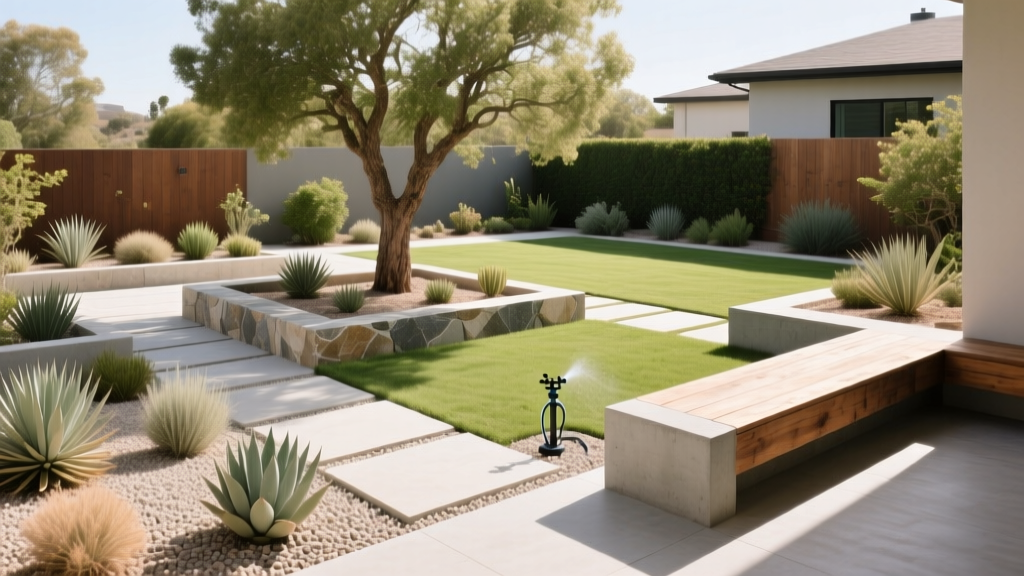
Top Low Maintenance Backyard Landscape Ideas for Beginners
Designing a backyard that looks pristine without demanding your weekends requires shifting from a maintenance mindset to a design mindset. When evaluating low maintenance backyard landscape ideas, beginners often mistake "low maintenance" for "zero maintenance." The reality is that every outdoor space requires some upkeep, but strategic hardscaping, automated systems, and rigorous plant selection can reduce your weekly chores from hours to mere minutes.
The 70/30 Zoning Framework for Beginners
The most common mistake in beginner landscaping is over-planting. To drastically reduce weeding, pruning, and watering, apply the 70/30 rule: dedicate 70% of your usable backyard space to hardscapes, structural elements, or heavy mulch beds, and reserve only 30% for living plant material.
Pro Tip: Group your 30% plant material into concentrated "hydro-zones." Clustering plants with identical water and sun requirements in a single bed allows you to run one dedicated drip line, rather than hand-watering scattered specimens across a lawn.
Hardscape Foundations: Patios and Pathways
Replacing high-maintenance turf grass with permeable or solid hardscapes is the cornerstone of any low-maintenance design. However, not all materials are created equal regarding long-term upkeep. Here is how the top three beginner-friendly materials compare in current market conditions.
| Material | Avg. Cost (per sq. ft.) | Weed Potential | Lifespan & Upkeep |
|---|---|---|---|
| Decomposed Granite (DG) | $4 - $8 | Moderate (if unstabilized) | 10-15 years. Requires raking and occasional top-dressing. |
| Stamped Concrete | $15 - $22 | Very Low | 25+ years. Requires resealing every 2-3 years to prevent cracking. |
| Porcelain Pavers | $12 - $18 | Low (when polymeric sand is used) | 50+ years. Virtually zero upkeep; stain and frost resistant. |
Installation Secret: Stabilized Decomposed Granite
If you choose DG for its natural look and lower cost, you must use a stabilizing binder (like TerraKoat or Organic-Lock). Unstabilized DG will wash away during heavy rain and sprout weeds within months. For a proper installation, excavate 4 inches, lay a 2-inch base of 3/4-inch crushed road gravel, compact it with a plate compactor, and then apply a 2-inch layer of stabilized DG. This creates a surface as hard as asphalt but with a natural, rustic aesthetic.
The "Plant and Forget" Selection Matrix
Achieving a lush look without the labor means selecting plants that thrive on neglect once established. Avoid high-maintenance divas like hybrid tea roses or hydrangeas that require constant deadheading and soil pH adjustments. Instead, rely on the UC Davis Arboretum All-Stars list, which identifies rugged, regionally adaptable plants that require minimal pruning and low water.
Beginner-Friendly 3-Tier Planting Plan
- Tier 1 (Structural Anchor): Vitex agnus-castus (Chaste Tree). Grows 10-15 feet tall, produces stunning purple summer spikes, and requires only one hard pruning in late winter. Plant 10 feet apart.
- Tier 2 (Mid-Level Massing): Perovskia atriplicifolia (Russian Sage). Offers silvery foliage and a haze of blue flowers. Highly deer-resistant and thrives in poor, unamended clay soil. Plant 24 inches on center.
- Tier 3 (Groundcover/Edging): Thymus serpyllum (Creeping Thyme). Tolerates light foot traffic, chokes out weeds, and smells incredible when brushed against. Plant 12 inches apart in full sun.
Automating the Chores: Irrigation and Lighting
Manual watering and flipping outdoor light switches are unnecessary time sinks. Automating these systems pays for itself in both water savings and convenience.
Smart Irrigation Controllers
Upgrade your traditional timer to a Weather-Based Irrigation Controller (WBIC). The Rachio 3 Smart Sprinkler Controller (retailing around $229 for an 8-zone model) connects to your Wi-Fi and pulls hyper-local weather data to skip watering before rainstorms and adjust run times based on seasonal evapotranspiration rates. According to EPA WaterSense, upgrading to a smart controller can save the average home nearly 7,600 gallons of water annually. Pair this with a drip irrigation network using 1/2-inch poly tubing and 2 GPH (gallons per hour) pressure-compensating emitters placed directly at the root zone of your shrubs.
Astronomical Landscape Lighting
Skip solar path lights, which degrade quickly and offer poor lumens. Invest in a low-voltage (12V) LED system with an astronomical timer built into the transformer. Brands like FX Luminaire or Kichler offer transformers that automatically adjust on/off times based on your exact GPS coordinates and the local sunset, eliminating the need to manually adjust timers as seasons change.
Warning: Avoid using dyed black or red mulch in your landscape beds. The colorants can leach into the soil, and dyed mulches are often made from recycled construction waste (pallets) that may contain chemical treatments. Opt instead for natural, double-shredded hardwood bark or arborist wood chips.
Weed Suppression: Mulch vs. Living Groundcover
Bare soil is an invitation for weed seeds. You must cover every inch of your 30% softscape zone. You have two primary low-maintenance options:
- Organic Mulch (3-inch depth): Excellent for moisture retention and soil building. However, it breaks down and requires a 1-inch top-dressing every 12 to 18 months. Always lay down a layer of cardboard (not plastic weed barrier, which ruins soil microbiology) before applying mulch to smother existing weeds.
- Living Groundcover: Plants like Liriope muscari (Monkey Grass) or Sedum spurium (Dragon's Blood) will eventually knit together into a solid mat that naturally shades out weed seeds. This requires more upfront watering and weeding for the first two years, but drops to near-zero maintenance by year three.
2026 Cost Breakdown for a 500 Sq. Ft. Backyard Zone
To help you budget, here is a realistic cost estimate for transforming a 500-square-foot section of a typical suburban backyard into a low-maintenance oasis, assuming professional installation for hardscapes and DIY for planting.
| Project Component | Budget Tier (DIY Heavy) | Premium Tier (Pro Installed) |
|---|---|---|
| Turf Removal & Grading | $300 (Sod cutter rental) | $1,200 |
| Hardscape (300 sq. ft.) | $1,500 (Stabilized DG) | $5,400 (Porcelain Pavers) |
| Smart Irrigation & Drip | $450 | $1,800 |
| Plants & Mulch (200 sq. ft.) | $600 (1-gallon sizes) | $1,500 (5-gallon sizes) |
| Low-Voltage LED Lighting | $350 (DIY Kit) | $2,200 (Custom Pro Design) |
| Total Estimated Cost | $3,200 | $12,100 |
By front-loading your effort and budget into intelligent hardscape design, automated irrigation, and rigorously selected plant material, you secure a backyard that serves as a private retreat rather than a weekend chore list. Start with a small 500-square-foot test zone, master the 70/30 ratio, and scale the design outward as your confidence grows.

