
Landscaping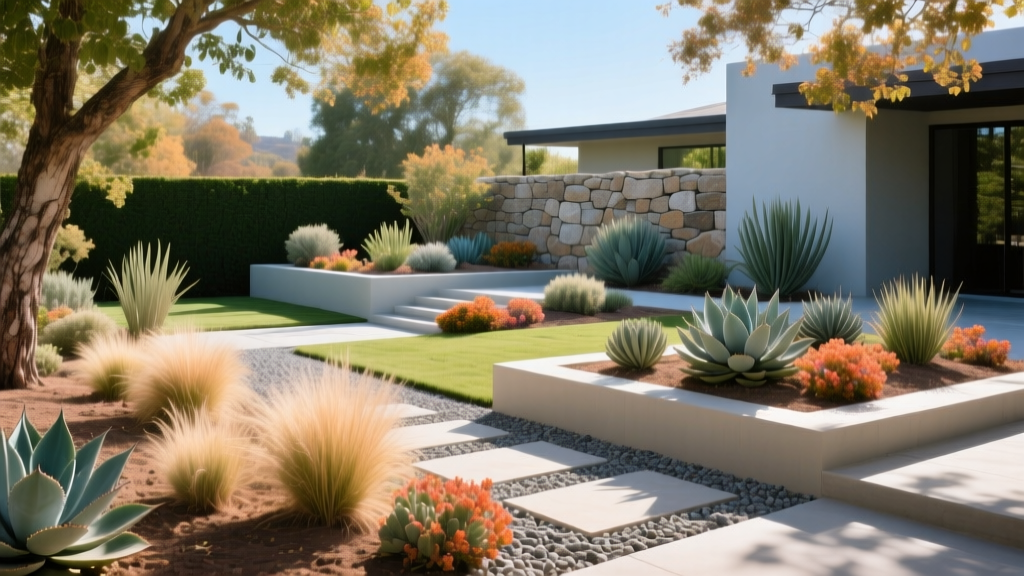
How to Design a Low Maintenance Landscape: Step-by-Step
Transitioning to a low maintenance landscape requires replacing high-input turfgrass and thirsty annuals with strategic hardscapes, deep-rooted perennials, and automated subsurface irrigation. According to the EPA WaterSense program, outdoor water use accounts for nearly 30% of total household water consumption, much of which is wasted on inefficient turf irrigation. By restructuring your yard layout, you can reduce weekly yard work from four hours to under 45 minutes while lowering water bills.
The 80/20 Zoning Strategy for Yard Layouts
Before breaking ground, divide your property into functional zones using the 80/20 rule. Dedicate 20% of your usable yard space to high-activity areas (like a patio or a small play lawn) and allocate the remaining 80% to low-maintenance perennial beds, xeriscaping, and permeable hardscapes. High-maintenance elements should be clustered near the house for easy access, while the outer perimeter is reserved for drought-tolerant, self-sustaining plantings.
Step 1: Turf Reduction and Soil Solarization
Removing existing Bermuda or Zoysia grass is the most labor-intensive phase. Avoid mechanical tilling, which chops rhizomes and stimulates aggressive regrowth. Instead, use soil solarization to sterilize the top 6 inches of soil.
- Mow and Water: Mow the existing turf to 1 inch and water the soil deeply to a 12-inch depth. Moist soil conducts heat better than dry soil.
- Apply Sheet Plastic: Cover the area with clear, 2-mil to 4-mil polyethylene plastic sheeting (not black plastic). Bury the edges in a 6-inch trench to create an airtight seal.
- Bake the Soil: Leave the plastic in place for 4 to 6 weeks during peak summer (July-August). The goal is to reach soil temperatures of 110°F to 130°F at a 2-inch depth, which effectively kills weed seeds, nematodes, and grass rhizomes.
Critical Edge Case: If you are dealing with highly invasive nutgrass (nutsedge) or field bindweed, solarization alone may fail. You must puncture the plastic and apply a targeted systemic herbicide like glyphosate (41% active ingredient) directly to the weeds two weeks before laying the plastic, as detailed by UC Agriculture and Natural Resources.
Step 2: Installing Permeable Hardscapes
Hardscapes eliminate the need for mowing, edging, and fertilizing. However, traditional concrete creates runoff issues. Permeable alternatives allow rainwater to percolate into the water table, reducing the need for complex French drain systems.
| Material | Installed Cost (per sq. ft.) | Maintenance Level | Best Application |
|---|---|---|---|
| Decomposed Granite (DG) with Stabilizer | $4.00 - $6.50 | Low (Requires occasional raking) | Secondary walkways, dog runs |
| Permeable Concrete Pavers (e.g., Belgard) | $12.00 - $18.00 | Very Low (Sweep joints annually) | Patios, driveways, fire pits |
| Pea Gravel (3/8 inch washed) | $1.50 - $3.00 | Medium (Weeds can penetrate) | Drainage swales, utility paths |
When installing Decomposed Granite, always mix in a polymeric stabilizer like Gator Stone Bond at a ratio of 1 gallon per 15 square feet. This binds the aggregate, preventing it from washing away during heavy rain and tracking into your house.
Step 3: Subsurface Drip Irrigation and Smart Controllers
Overhead spray heads lose up to 50% of their water to wind drift and evaporation. Subsurface drip irrigation delivers water directly to the root zone at a rate of 0.9 gallons per hour (GPH) per emitter, achieving 95% water efficiency.
Specifying the Right Drip Line
Use pressure-compensating (PC) drip tubing with built-in check valves, such as the Netafim Techline CV (approx. $0.65 per linear foot). The check valves prevent the tubing from draining out when the system shuts off, ensuring instant water delivery the moment the zone activates and preventing low-head drainage onto your hardscapes.
Smart Controller Integration
Pair your drip zones with an EPA WaterSense-certified smart controller like the Rachio 3 ($229). Connect it to an inline flow meter (e.g., Rachio Flow Meter, $79). The flow meter detects micro-leaks in the drip line by monitoring pressure drops, sending an alert to your smartphone before a minor tear floods your mulch beds.
Step 4: Plant Selection and Mulching Strategies
A true low maintenance landscape relies on plants adapted to your specific USDA Hardiness Zone that require zero supplemental water once established (usually after 12 to 18 months).
Pro-Tip for Plant Spacing: When planting drought-tolerant perennials like Salvia greggii or Agastache, space them 10% closer than the nursery tag recommends. This creates a faster canopy closure, shading out weed seeds and reducing the need for manual weeding during the first two years.
The Mulch Debate: Organic vs. Inorganic
According to Penn State Extension, a 3-inch layer of organic mulch regulates soil temperature and retains moisture. However, the type of mulch and underlying barrier dictates your long-term maintenance.
- Under Organic Mulch (Shredded Hardwood/Bark): Do not use woven polypropylene landscape fabric. Fabric blocks water penetration, causes the organic mulch above it to rot anaerobically, and creates a perfect seedbed for weeds that root through the fabric. Apply 3 inches of shredded bark directly to bare soil.
- Under Inorganic Mulch (River Rock/Gravel): You must use a heavy-duty, woven geotextile fabric (minimum 3.2 oz per square yard, such as Typar Pro). This prevents the gravel from sinking into the native clay soil over time, which is a common failure mode that ruins rock gardens.
Common Failure Modes in Low-Maintenance Designs
Even well-planned yards fail if these specific edge cases are ignored:
- Tree Root Heaving Hardscapes: Planting shade trees like Maples or Sycamores within 10 feet of a permeable paver patio will result in aggressive surface roots destroying the base layer within 7 years. Use structural soil vaults (like Silva Cell) or plant slow-growing, deep-rooted species like the Lacebark Elm (Ulmus parvifolia).
- Drip Line Clogging: If your municipal water has high mineral content, calcium buildup will clog drip emitters. Install a 120-mesh disc filter (e.g., Azud Helix) at the head of every drip zone to prevent $500 in ruined tubing.
- Mulch Blowout: Using lightweight bark nuggets in exposed, windy areas results in the mulch blowing into neighboring lawns. Always use heavier, double-shredded hardwood mulch that knits together, or secure it with a biodegradable jute netting on slopes greater than 15%.
Frequently Asked Questions
How long does it take for a low maintenance landscape to become fully self-sustaining?
Typically 18 to 24 months. During the first two growing seasons, drought-tolerant plants still require deep, infrequent watering (about 1 inch per week) to establish their taproots. Once established, they can survive on natural rainfall in most climate zones.
Is artificial turf a good option for a low maintenance yard?
Artificial turf eliminates mowing and watering, but it requires regular brushing, enzymatic cleaning for pet odors, and infill top-ups. Furthermore, it can reach surface temperatures of 160°F in direct summer sun, making it unusable for pets and children without specialized cooling infills like T-Cool.
What is the ROI of converting to a low maintenance landscape?
Homeowners typically recoup 100% to 200% of their landscaping investment through increased property value and reduced water/maintenance costs. A $15,000 xeriscape conversion that saves $800 annually in water and $1,500 in mowing services pays for itself in roughly 6.5 years.

