
Landscaping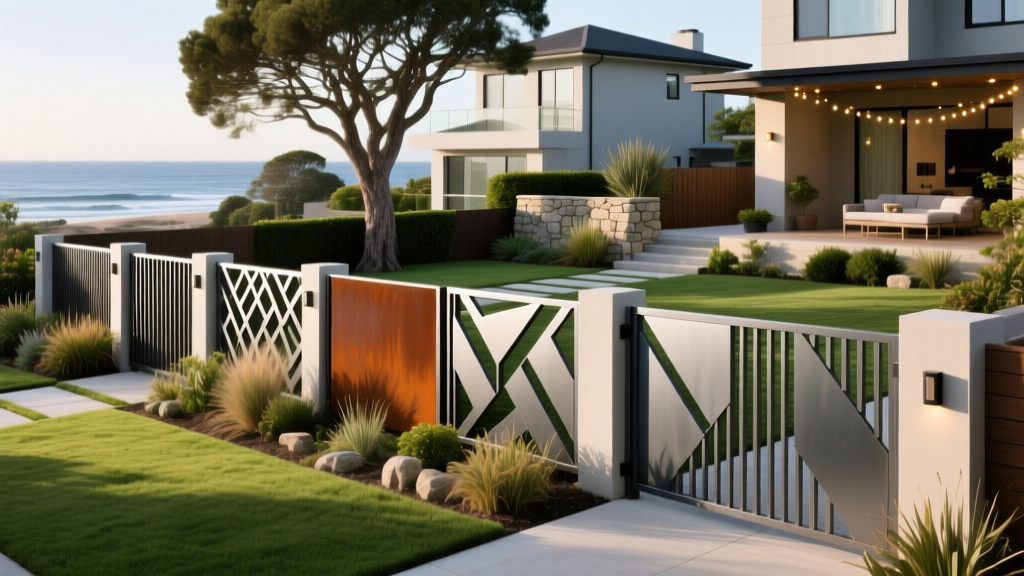
12 Modern Metal Fence Ideas for Privacy and Curb Appeal
Metal fencing has evolved far beyond the utilitarian chain-link boundaries of the past. Today, architectural metalwork offers homeowners a perfect synthesis of high-end aesthetics, extreme durability, and low maintenance. Whether you are looking to frame a front walkway with elegant ornamental panels or enclose a backyard with towering, laser-cut privacy screens, selecting the right metal fence ideas for your property requires balancing material science with landscape design.
For beginners navigating the landscaping market, the sheer volume of alloys, gauges, and finishes can be overwhelming. This guide breaks down the exact materials, design configurations, and installation realities you need to know to make an informed, budget-conscious decision.
The Beginner’s Material Matrix: Choosing Your Metal
Before selecting a visual style, you must choose the underlying metallurgy. The lifespan, rust resistance, and cost per linear foot vary drastically across the four primary fencing metals. According to Angi's comprehensive fence cost guide, material choice accounts for roughly 60% of your total project budget.
| Material | Best Use Case | Average Cost (per linear ft) | Lifespan | Rust Resistance |
|---|---|---|---|---|
| Ornamental Aluminum | Front yards, pool enclosures, HOA compliance | $35 - $65 | 30-50 years | Excellent (Powder-coated) |
| Wrought Iron | High-end estates, historical restorations | $100 - $150+ | 50+ years (if maintained) | Poor (Requires frequent painting) |
| Corten (Weathering) Steel | Modern privacy walls, industrial aesthetics | $45 - $85 | 40+ years | High (Forms protective patina) |
| Galvanized Steel (Chain Link) | Budget enclosures, pet runs, utility areas | $15 - $30 | 20-30 years | Good (Zinc coating) |
Expert Insight: If you live in a coastal region within 5 miles of saltwater, avoid standard wrought iron entirely. The saline air will penetrate microscopic scratches in the paint, causing structural rust within three to five years. Opt for marine-grade powder-coated aluminum instead.
5 High-Impact Metal Fence Ideas for Front Yards
Front yard fencing is primarily about curb appeal, boundary definition, and security without blocking sightlines. Most municipal zoning laws restrict front yard fences to a maximum height of 3 to 4 feet, making transparency and intricate detailing essential.
1. Horizontal Aluminum Slats
Ditch the traditional vertical pickets. Horizontal slat fences built from 2x2-inch powder-coated aluminum tubes create a sleek, mid-century modern aesthetic. Space the slats 2 inches apart to maintain visibility while visually widening narrow front yards.
2. Laser-Cut Corten Steel Panels
For a striking focal point, use 16-gauge Corten steel panels featuring laser-cut geometric or botanical patterns. As the steel oxidizes, it develops a rich, rust-orange patina that contrasts beautifully with green foundation plantings like boxwood or ornamental grasses.
3. The 'Floating' Iron Gate
Pair a standard masonry or stucco pillar entrance with a custom wrought iron gate that features a 4-inch bottom clearance. This 'floating' effect allows landscape lighting to wash the ground beneath the gate, creating dramatic nighttime curb appeal.
4. Mixed-Material Metal and Wood
Soften the harshness of metal by integrating horizontal cedar or ipe wood slats into a black steel frame. The steel provides structural rigidity and a modern border, while the wood adds natural warmth that complements traditional home exteriors.
5. Trellis-Top Ornamental Aluminum
Maximize a 3-foot height restriction by adding a 1-foot arched or flat trellis top to an ornamental aluminum fence. This allows climbing plants like clematis or star jasmine to weave through the metalwork, creating a living fence that changes with the seasons.
4 Privacy-Focused Metal Fence Ideas for Backyards
Backyard metal fencing must solve a specific problem: how to achieve the 6-to-8-foot height required for privacy without turning your yard into a claustrophobic fortress.
6. Corrugated Metal Privacy Walls
Corrugated galvanized steel panels (often used in agricultural roofing) are highly cost-effective for solid privacy fences. Mount the panels vertically inside a pressure-treated lumber or steel tube frame. The ridges in the metal add visual texture and increase the panel's structural stiffness, preventing wind-load bowing.
7. Staggered Board-on-Board Steel
Similar to traditional wood privacy fences, staggered metal fencing uses vertical steel pickets on both sides of the horizontal rails. This creates a 100% solid visual barrier from any angle while allowing air to flow through the microscopic gaps, reducing wind shear stress on the posts.
8. Living Metal Screens (Gabion Bases)
Combine a 3-foot gabion wall (wire cages filled with local river rock) with a 3-foot black aluminum privacy screen on top. The heavy stone base provides absolute privacy at eye-level for seated patio areas, while the metal screen above secures the perimeter without blocking upper-story views.
9. Perforated Aluminum Windbreaks
In high-wind areas, solid metal fences act like sails and can rip posts out of the ground. Perforated aluminum sheets (featuring thousands of tiny micro-holes) reduce wind load by up to 40% while still obscuring the view from neighbors.
⚠️ Critical Warning: Property Lines and HOA Setbacks
Before purchasing materials, verify your exact property lines with a licensed surveyor. According to Nolo's property law encyclopedia, building even one inch over your property line can result in costly legal disputes or forced removal. Furthermore, check your Homeowners Association (HOA) covenants; many strictly prohibit solid metal privacy walls in favor of see-through ornamental designs.
Installation Realities: The Post-Setting Blueprint
The most common failure point in DIY metal fencing is improper post installation. Metal panels are heavy and act as levers in high winds. If your posts fail, the entire fence collapses. Follow this exact specification for setting 2.5-inch steel or aluminum posts:
- Dig to the Frost Line: Do not guess. Call 811 to check for utilities, then dig post holes that are 3 times the width of the post and extend at least 6 inches below your local frost line (typically 36 to 48 inches deep in northern climates).
- Gravel Base: Drop 4 inches of crushed 3/4-inch gravel into the bottom of the hole for drainage. Never set a metal post directly on bare dirt, as trapped moisture will accelerate basal corrosion.
- The 1/3 Depth Rule: Ensure that exactly one-third of the total post length is buried underground. For a 6-foot above-ground fence, you need a 9-foot post with 3 feet buried.
- Concrete Pouring: Use high-strength, fast-setting fence post concrete (like Quikrete Fast-Setting). Do not pre-mix it in a wheelbarrow; pour the dry mix directly into the hole around the plumb post, then add water. This requires roughly two 50-lb bags per standard post hole.
- Cap the Post: Slope the top of the wet concrete away from the post at a 45-degree angle to shed rainwater. Once cured, install a metal post cap to prevent water from pooling inside hollow aluminum tubes.
Maintenance and Rust Prevention Protocols
While metal fences are marketed as 'low maintenance,' they are not 'no maintenance.' Establishing a proactive care routine will double the lifespan of your investment.
- Annual Washing: Wash powder-coated aluminum fences every spring using a mixture of warm water and mild dish soap. Avoid pressure washers over 1,500 PSI, which can chip the powder coating and expose the raw aluminum to oxidation.
- Flash Rust Treatment: If you spot small chips or scratches on painted steel or wrought iron, treat them immediately. Sand the area with 120-grit sandpaper, apply a phosphoric acid rust converter (which turns iron oxide into a stable black primer), and top it with a direct-to-metal (DTM) acrylic enamel paint.
- Galvanic Corrosion Check: Never allow aluminum fence panels to rest directly against pressure-treated wood or copper flashing. The chemical reaction between dissimilar metals and treated lumber causes rapid galvanic corrosion. Always use neoprene or rubber spacer blocks between the materials.
Frequently Asked Questions
Can I install a metal fence on a sloped yard?
Yes, but the method depends on the material. Ornamental aluminum and wrought iron can be 'racked' (stepped down the slope while keeping pickets perfectly vertical) to accommodate grades up to 15 degrees. For steeper slopes, solid corrugated metal panels must be 'stepped,' meaning each panel is installed horizontally level, creating a stair-step visual effect down the hill.
How long does powder coating actually last?
High-quality architectural powder coating (specifically AAMA 2604 or 2605 standard fluoropolymer coatings) will resist fading, chalking, and peeling for 20 to 30 years, even under intense UV exposure. Standard interior-grade powder coats will degrade and chalk within 3 to 5 years outdoors. Always ask your supplier for the AAMA specification sheet.
Are metal fences safe for pools?
Ornamental aluminum is the industry standard for pool enclosures because it is entirely immune to chlorine-induced rust. However, you must ensure the fence design complies with the International Swimming Pool and Spa Code (ISPSC), which dictates that the fence must be at least 48 inches high, with no gaps wider than 4 inches, and no horizontal rails that a child could use as a ladder to climb over.

