Landscaping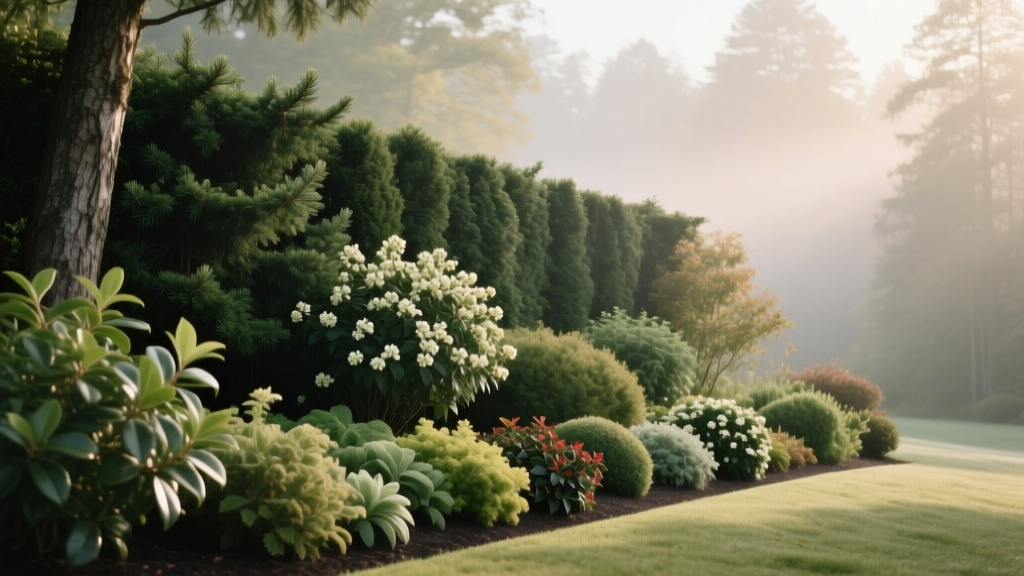
Best Native Evergreen Shrubs for Privacy Screens in Zones 7 to 9
Homeowners in the United States Department of Agriculture (USDA) Plant Hardiness Zone 7 seeking natural privacy solutions need resilient, year-round foliage. The best native evergreen shrubs zone 7 landscapes support for dense privacy screens include American Holly (Ilex opaca), Eastern Red Cedar (Juniperus virginiana), and Southern Wax Myrtle (Morella cerifera). These native species tolerate the region's winter lows of -15°F (-26°C) while providing thick, year-round visual barriers. This guide is written specifically for residential gardeners and landscape architects in Zone 7 who want to replace artificial fencing with ecologically beneficial, low-maintenance native hedges. By selecting indigenous species, you support local pollinators and reduce long-term watering costs compared to non-native alternatives.
Key Takeaways:
- American Holly, Eastern Red Cedar, and Southern Wax Myrtle are the top native choices for Zone 7 privacy screens.
- Space shrubs 4 to 6 feet apart to achieve a seamless visual barrier within 3 to 5 years.
- Established native species reduce irrigation requirements by up to 40% compared to non-native evergreens.
Top Native Evergreen Shrubs for Zone 7 Privacy Screens
American Holly (Ilex opaca)
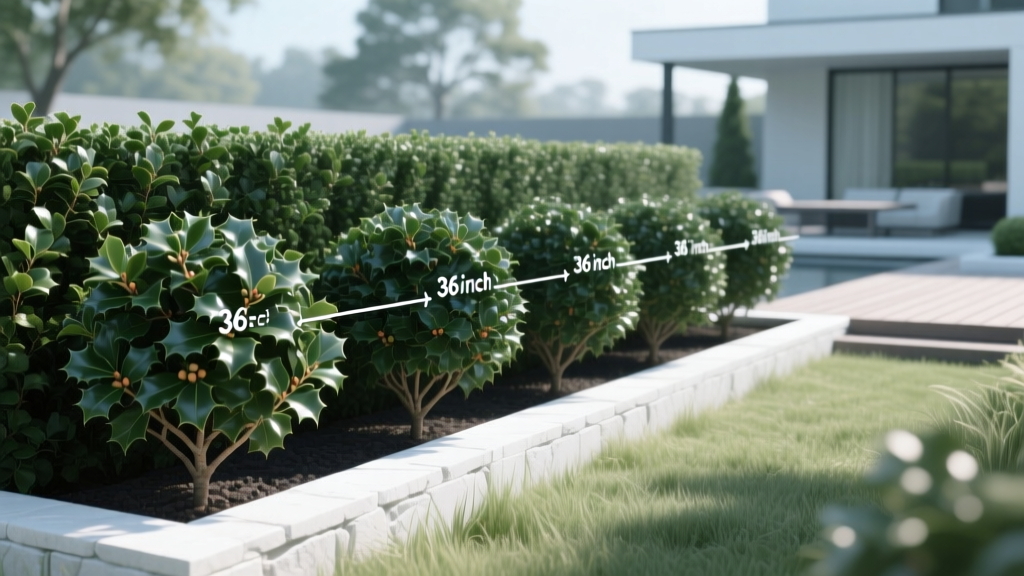
American Holly is a cornerstone species for formal and informal privacy hedges. According to the United States Department of Agriculture Plants Database, this broadleaf evergreen reaches mature heights of 15 to 30 feet. The dense, spiny foliage creates an impenetrable barrier, while the bright red winter berries provide essential forage for native songbirds. Plant specimens in full sun to partial shade, ensuring the soil drains well to prevent root rot.
Eastern Red Cedar (Juniperus virginiana)
Eastern Red Cedar offers exceptional windbreak capabilities and extreme cold hardiness. The Penn State Extension notes that this coniferous evergreen thrives in poor, rocky soils where other shrubs fail. It grows at a moderate rate of 12 to 24 inches per year, eventually reaching 40 feet tall. The dense, scale-like needles provide excellent sound dampening for properties bordering busy roads.
Southern Wax Myrtle (Morella cerifera)
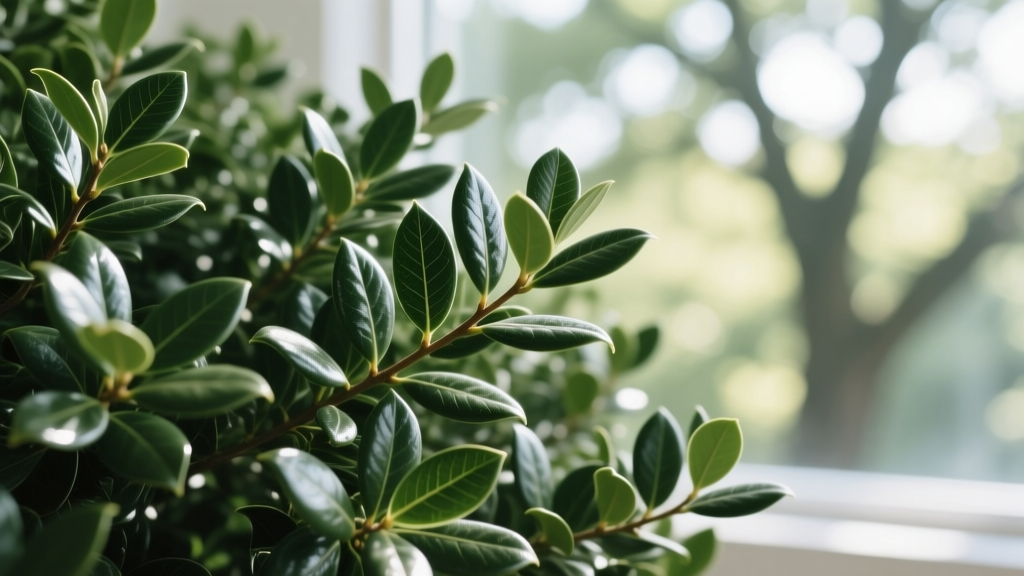
Southern Wax Myrtle is the premier choice for rapid screen establishment. The North Carolina State University Extension reports that this large shrub can grow up to 5 feet in a single season under optimal moisture conditions. Mature plants reach 10 to 15 feet tall and emit a pleasant, spicy fragrance when the leaves are crushed. It tolerates both wet soils and moderate drought once established.
Comparison Matrix: Growth Rates and Dimensions
Use this decision framework to select the appropriate native evergreen based on your specific spatial constraints and budget. The costs reflect average 2026 nursery pricing for 5-gallon container specimens.
| Species | Mature Height | Mature Width | Annual Growth Rate | Estimated Cost (5-Gallon) |
|---|---|---|---|---|
| American Holly | 15 - 30 feet | 10 - 20 feet | 12 - 24 inches | $45.00 - $65.00 |
| Eastern Red Cedar | 30 - 40 feet | 10 - 20 feet | 12 - 24 inches | $35.00 - $50.00 |
| Southern Wax Myrtle | 10 - 15 feet | 8 - 12 feet | 36 - 60 inches | $40.00 - $55.00 |
Site Preparation and Planting Framework
Soil and Spacing Requirements
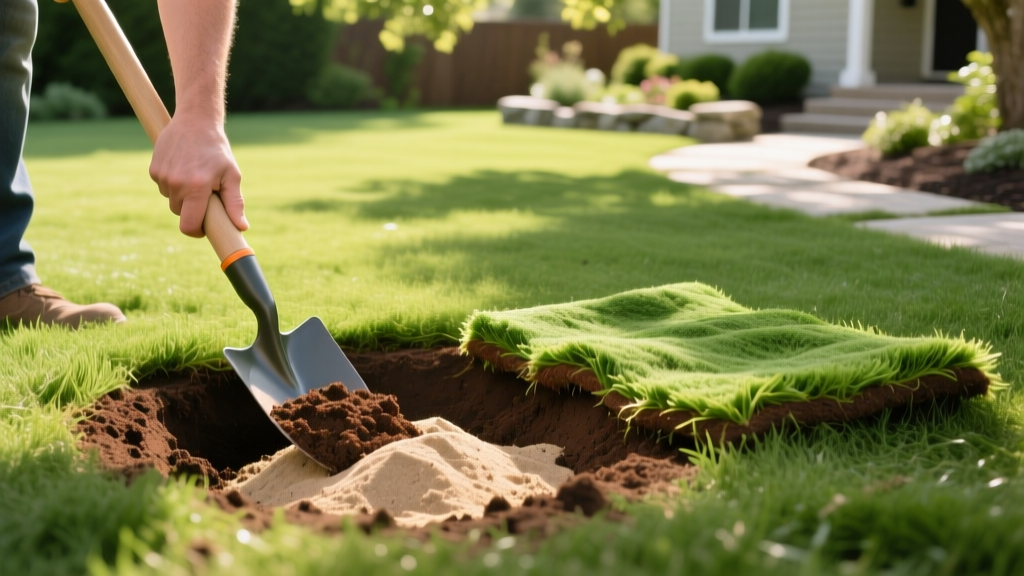
Proper spacing dictates the speed at which your privacy screen closes. Plant American Holly and Eastern Red Cedar 6 feet apart, center-to-center. Space Southern Wax Myrtle 4 feet apart to account for its narrower mature profile. Dig a trench rather than individual holes to ensure uniform soil conditions and encourage lateral root expansion across the entire hedge line.
Maintenance and Pruning
Native evergreens require minimal intervention compared to exotic species. Apply a 3-inch layer of organic hardwood mulch over the root zone to retain moisture and suppress weeds. Prune only in late winter to shape the canopy and remove crossing branches. Avoid heavy shearing, which damages the natural architectural form of the plant and reduces interior air circulation.
Key Term Definitions
United States Department of Agriculture Plant Hardiness Zone 7: A geographic classification indicating average annual minimum winter temperatures between 0°F and 10°F. This metric helps gardeners select perennial plants, including native evergreens, capable of surviving regional cold snaps without structural damage.
Native Evergreen Shrub: A woody plant indigenous to a specific regional ecosystem that retains its green foliage year-round. These species provide continuous habitat for local wildlife and require minimal supplemental irrigation once their root systems establish in local soil profiles.
Frequently Asked Questions
What are the fastest growing evergreen shrubs zone 7 gardeners can plant?
Southern Wax Myrtle (Morella cerifera) is the fastest-growing native option, capable of adding 3 to 5 feet of vertical height annually. For a coniferous option, Eastern Red Cedar provides rapid initial growth and exceptional wind resistance.
Are there drought tolerant evergreen shrubs zone 7 landscapes can rely on?
Eastern Red Cedar is highly drought-tolerant due to its deep, extensive taproot system. American Holly also demonstrates strong drought resistance once its root system establishes over the first two growing seasons.
How do I maintain a native evergreen privacy screen zone 7 properties require?
Maintenance involves annual late-winter pruning, a 3-inch mulch application, and deep watering only during prolonged summer droughts. Avoid synthetic fertilizers, as native species are adapted to local soil nutrient levels.
Conclusion and Next Steps
Replacing artificial fencing with native evergreen shrubs in Zone 7 provides superior privacy, noise reduction, and ecological value. American Holly, Eastern Red Cedar, and Southern Wax Myrtle offer proven resilience against regional temperature fluctuations while supporting local wildlife. Your immediate next step is to order a professional soil test kit and map your property line to calculate the exact linear footage required for your new native hedge.