
Landscaping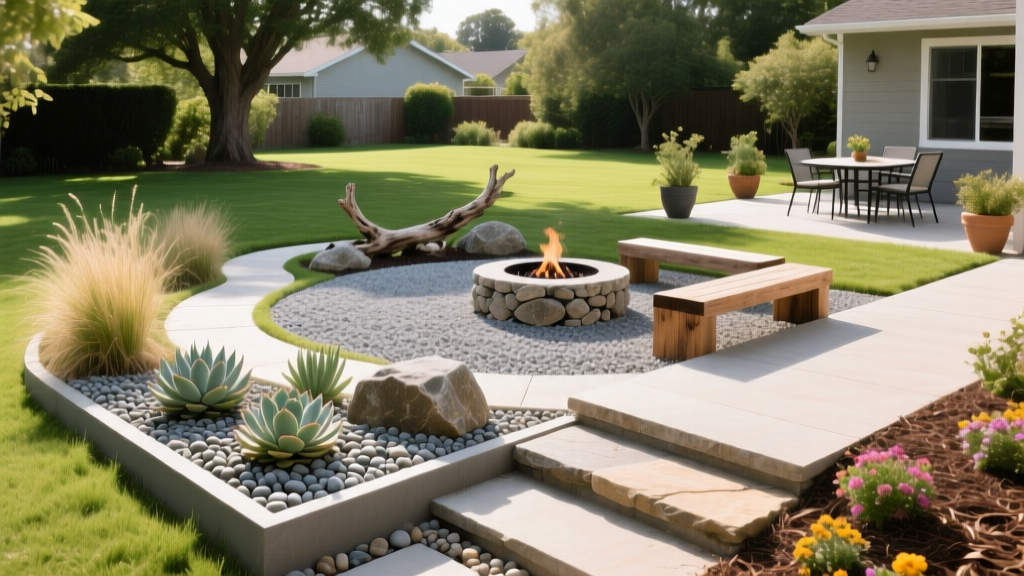
Landscaping With Pea Gravel Ideas: 7 Beginner Projects
Pea gravel is often marketed as the easiest hardscape material for DIYers, but its smooth, rounded shape makes it notoriously difficult to control. Without proper containment and base preparation, these small stones will migrate into your lawn, sink into the mud, and become a weed-infested mess within a single season. However, when engineered correctly, pea gravel offers unmatched drainage, a satisfying crunch underfoot, and a soft aesthetic that complements modern and cottage-style gardens alike.
This guide skips the generic advice and focuses on the structural mechanics of installing pea gravel, followed by highly specific, beginner-friendly project blueprints you can execute this weekend.
The Physics of Pea Gravel: Why Installations Fail
Before breaking ground, you must understand the two primary failure modes of pea gravel installations. According to standards outlined by the National Association of Landscape Professionals (NALP), improper base preparation and lack of physical edging account for over 85% of residential gravel failures.
Failure Mode 1: The Sinking Hazard
Pea gravel is typically 3/8-inch in diameter. If placed directly on topsoil, foot traffic will push the stones down into the dirt, while the dirt pushes up into the gravel. Within six months, you will have a muddy, compacted surface. The Fix: You must excavate 4 to 5 inches of soil and install a 2-inch sub-base of angular crushed rock (like #57 limestone or crushed granite). The jagged edges of the crushed rock lock together when compacted, creating a rigid floor that prevents the round pea gravel from sinking.
Failure Mode 2: Lateral Migration
Unlike angular gravel (such as crushed limestone or decomposed granite), pea gravel cannot be compacted into a solid matrix. It behaves like a fluid under pressure, rolling outward when stepped on. The Fix: Rigid physical edging is non-negotiable. Flexible plastic lawn edging will bow and fail. You need aluminum or galvanized steel edging, buried at least 2 inches deep, with the top lip sitting 1/2-inch above the final gravel grade to contain the stones.
5 Beginner-Friendly Landscaping With Pea Gravel Ideas
With the structural rules established, here are five specific projects tailored for beginners, complete with exact dimensions and material requirements.
1. The 12x12 Fire Pit Seating Pad
A circular or square gravel pad is the perfect entry-level project. For a 12x12 foot square pad, excavate 5 inches deep. Install 4-inch steel landscape edging around the perimeter. Lay down a heavy-duty woven geotextile fabric (avoid cheap non-woven plastics, which tear easily and trap water). Add 2 inches of crushed base rock and tamp it down with a hand tamper. Finally, add 3 inches of 3/8-inch pea gravel. Place a 36-inch steel fire ring in the center. Safety Note: Maintain a minimum 10-foot clearance from any combustible structures or overhanging tree branches.
2. The Side-Yard Utility Pathway with Stepping Stones
Side yards are notoriously difficult to mow and often turn into mud pits. Create a 3-foot-wide pathway using pea gravel interspersed with 18x18-inch flagstones. Space the flagstones exactly 14 inches apart (measured from the center of one stone to the center of the next) to match the average human stride. The pea gravel fills the gaps, providing immediate drainage for roof runoff from the adjacent house.
3. Low-Maintenance Tree Rings (Root-Safe Method)
Tree rings eliminate the need to run a string trimmer dangerously close to delicate bark. However, piling gravel against the trunk causes fatal rot. Following guidelines from the Arbor Day Foundation, create a ring that extends 3 feet out from the trunk, but leave a strict 3-inch 'donut hole' of bare soil immediately around the trunk base. Use 1/2-inch pea gravel here, as the slightly larger stones allow for better air circulation to the root flare.
4. The Dry Creek Bed Erosion Control
If your yard suffers from minor runoff issues, a dry creek bed is a functional landscaping feature. Dig a trench 2 feet wide and 6 inches deep, curving it naturally through your yard. Line it with woven fabric. Instead of using only pea gravel, mix it with 3-to-5-inch river rocks. Place the large river rocks along the outer curves of the trench to slow water velocity, and fill the center and inner curves with pea gravel. This mixed sizing prevents the small stones from washing away during heavy spring rains.
5. The High-Drainage Dog Run
Pea gravel is exceptionally gentle on canine paws compared to jagged crushed rock, and it drains urine instantly, eliminating muddy paws and foul odors. Build a 10x20 foot run using 3/8-inch pea gravel (the smallest size available, which won't get stuck in paw pads). Install a French drain pipe beneath the crushed rock base layer if your soil is heavy clay, ensuring the run remains dry even after a week of rain.
2026 Material Cost & Sizing Matrix
Budgeting accurately requires understanding the difference between bulk and bagged pricing. The table below reflects current 2026 regional averages for material costs.
| Material | Unit Size | Avg. Cost (2026) | Best Application |
|---|---|---|---|
| Bulk Pea Gravel (3/8-inch) | 1 Ton (approx. 1.3 cu yds) | $35 - $55 | Patios, large pathways, dog runs |
| Bagged Pea Gravel | 0.5 cu ft bag | $4.50 - $6.00 | Small tree rings, minor touch-ups |
| Aluminum Landscape Edging | 8-ft strip (with stakes) | $18 - $28 | Curved beds, long straight borders |
| Woven Geotextile Fabric | 3x50 ft roll (150 sq ft) | $75 - $110 | Weed barrier under all hardscapes |
| #57 Crushed Base Rock | 1 Ton | $25 - $40 | Sub-base stabilization layer |
Critical Warning: The Mulch Calculator Trap
Most online gravel calculators assume a 2-inch depth. For pea gravel, you must calculate for a 3-inch depth. Because the stones are round, a 2-inch layer will leave gaps when stepped on, exposing the weed fabric beneath. Always order 15% more bulk material than your exact mathematical calculation to account for settling and compaction.
Step-by-Step: Executing the Base Preparation
The longevity of your project relies entirely on the first three steps. Do not rush this phase.
- Excavation: Dig out the project area to a depth of 5 inches. Use a line level to ensure a slight 1/4-inch per foot slope away from your home's foundation to promote surface drainage.
- Edging Installation: Trench the perimeter 3 inches deep. Slide your aluminum or steel edging into the trench. Drive the provided steel stakes at a 45-degree angle through the edging loops and into the subsoil. The top of the edging should sit exactly 1/2-inch above the surrounding soil grade.
- Fabric Deployment: Roll out woven geotextile fabric. Overlap seams by at least 6 inches. Secure the fabric to the ground using 6-inch galvanized landscape staples every 3 feet. Do not use black plastic sheeting; it will suffocate the soil microbiome and create a slip hazard when wet.
- Base Layer: Dump 2 inches of #57 crushed rock over the fabric. Rake it level and run a manual plate compactor over it until it is rock-solid.
- Gravel Application: Pour the pea gravel over the compacted base to a depth of 3 inches. Rake it smooth, ensuring it sits just below the lip of your edging.
Long-Term Maintenance and Weed Control
Even with perfect installation, organic matter (leaves, wind-blown soil) will eventually accumulate on top of the gravel, creating a medium for weed seeds to germinate. To maintain a pristine look:
- Bi-Annual Raking: Use a flexible leaf rake (not a stiff metal garden rake) to gently pull fallen leaves and debris off the surface. Raking also redistributes stones that have been kicked out of high-traffic zones.
- Pre-Emergent Herbicides: In early spring, apply a granular pre-emergent weed preventer (such as Preen Garden Weed Preventer) directly over the gravel. This stops crabgrass and dandelion seeds from germinating in the organic debris layer.
- Top-Dressing: Every 3 to 4 years, you will need to order a few bags of pea gravel to top-dress the area, replacing stones that have slowly degraded or migrated despite your edging.
'The secret to a low-maintenance gravel landscape isn't the stone you choose, but the barrier you put beneath it and the walls you build around it. Treat pea gravel like water, and contain it accordingly.'
— Senior Landscape Architect, NALP Certified
By respecting the physical properties of pea gravel and investing heavily in the unseen base layers, you can create stunning, permeable outdoor spaces that require a fraction of the upkeep of traditional turfgrass or solid concrete patios.

