
Landscaping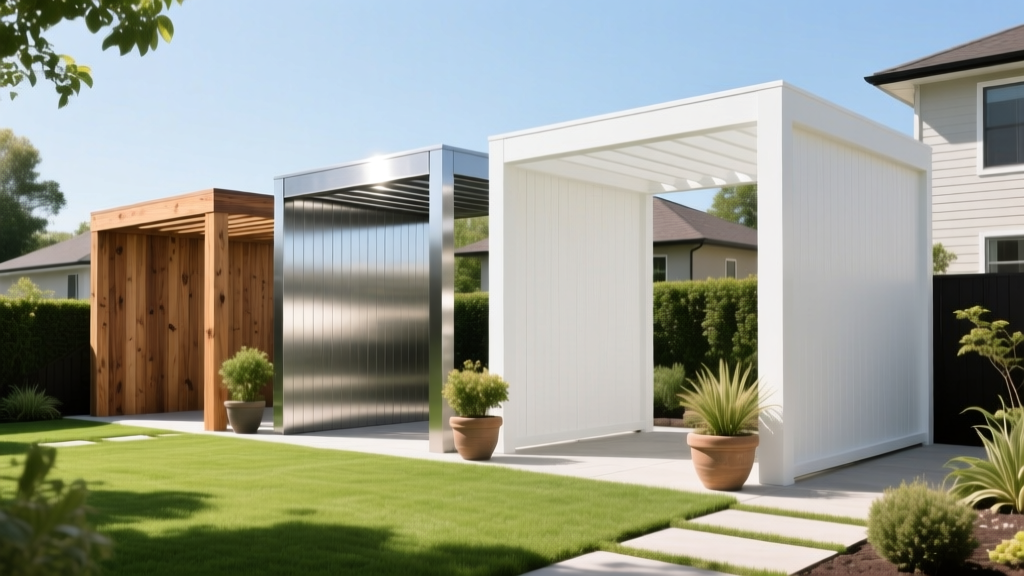
2026 Pergola Cost Breakdown: Wood, Aluminum & Vinyl Prices
Understanding the 2026 Pergola Pricing Landscape
Building a pergola remains one of the highest-ROI landscaping projects for residential properties, but material volatility and specialized labor have shifted the baseline costs entering 2026. While dimensional lumber prices have largely stabilized following the pandemic-era spikes, extruded aluminum and specialized structural hardware have seen 8% to 12% price increases due to updated tariff structures and supply chain realignments. Homeowners planning a backyard structure must look beyond the basic kit price. The true cost of a pergola is dictated by three primary variables: material density, structural footing requirements, and roof operational mechanics (fixed slats versus motorized louvers).
According to industry aggregators like HomeGuide, the national average for a professionally installed, mid-sized pergola ranges from $3,500 to $8,500, but custom architectural builds easily exceed $15,000. This guide dissects the exact material costs, labor multipliers, and hidden site-prep expenses you need to budget for your specific yard layout.
The 2026 Pergola Cost Matrix by Material
Material selection accounts for 40% to 60% of your total project budget. Below is the current cost-per-square-foot breakdown for the three dominant pergola materials, factoring in 2026 market rates for both raw materials and prefabricated kits.
| Material Type | Cost per Sq. Ft. (Materials Only) | Total Cost (12x16 ft) | Lifespan & Maintenance | Best Climate Application |
|---|---|---|---|---|
| Pressure-Treated Pine (SPF) | $15 - $22 | $2,880 - $4,224 | 10-15 years; requires annual sealing | Temperate zones with low termite pressure |
| Western Red Cedar (#1 Grade) | $30 - $45 | $5,760 - $8,640 | 20-25 years; natural rot resistance | Pacific Northwest, humid coastal regions |
| Extruded Aluminum (e.g., Alumawood) | $40 - $65 | $7,680 - $12,480 | 50+ years; zero structural maintenance | High-sun, high-wind, and coastal salt-air zones |
| Cellular PVC / Vinyl | $20 - $35 | $3,840 - $6,720 | 25-30 years; prone to UV yellowing | Moderate climates; avoid extreme heat zones |
Critical Material Selection Insights
When pricing wood, contractors often quote based on Construction Grade Spruce-Pine-Fir (SPF). If you want the aesthetic of clear, knot-free wood, you must specify Architectural Grade or #1 Grade Western Red Cedar, which commands a 35% premium over standard SPF. For aluminum structures, ensure the quote specifies powder-coated extruded aluminum with a minimum 2.0 mil coating thickness to prevent chalking and oxidation in UV-heavy environments.
Size and Square Footage Multipliers
Pergola costs do not scale linearly. A 16x20 foot structure costs significantly more than double a 10x10 foot structure due to the requirement for heavier load-bearing beams, additional footings, and mid-span support posts.
- 10x10 ft (100 sq ft): Ideal for intimate patio seating. Requires 4 posts. Average installed cost: $3,000 - $5,500.
- 12x16 ft (192 sq ft): The standard size for covering an outdoor dining set and grill station. Requires 4 to 6 posts. Average installed cost: $5,500 - $9,800.
- 16x20 ft (320 sq ft): Used for full-patio coverage or poolside cabanas. Requires 6 to 8 posts and engineered trusses. Average installed cost: $9,500 - $16,000+.
Roof Mechanics: Fixed Slats vs. Motorized Louvers
The roof style is the single largest variable in modern pergola construction. Traditional fixed-slat roofs (often spaced 6 to 12 inches apart to allow dappled sunlight) are structurally simple. However, the demand for adjustable shade has made motorized louvered roofs a dominant trend.
Cost Impact of Motorized Louvers:
Upgrading from a fixed timber slat roof to an extruded aluminum motorized louver system (such as those from Azenco or StruXure) adds $120 to $180 per square foot to the project. For a 12x16 pergola, expect the louver upgrade alone to cost between $11,500 and $17,200, plus $800 to $1,200 for a dedicated 120V electrical trench and junction box installation.
Upgrading from a fixed timber slat roof to an extruded aluminum motorized louver system (such as those from Azenco or StruXure) adds $120 to $180 per square foot to the project. For a 12x16 pergola, expect the louver upgrade alone to cost between $11,500 and $17,200, plus $800 to $1,200 for a dedicated 120V electrical trench and junction box installation.
Labor, Site Prep, and Hidden Footing Costs
Landscaping budgets frequently derail during the site preparation phase. Labor typically accounts for 30% to 50% of the total pergola cost, but the method used to anchor the posts to the ground dictates both the price and the structural longevity.
Footing Options and Pricing
- Surface Post Bases (Not Recommended): Bolted directly to an existing concrete patio. Cost: $25 - $40 per post. Warning: This transfers massive wind-uplift leverage directly to your patio slab, which can crack standard 4-inch residential concrete pours.
- Concrete Sonotubes (Industry Standard): Digging 36-inch deep holes (below the frost line in northern zones), inserting 12-inch cardboard forms, and pouring concrete with embedded galvanized post anchors (like Simpson Strong-Tie E-Z Base). Cost: $150 - $250 per footing.
- Helical Piers (e.g., Diamond Pier): Steel shafts screwed deep into the soil using hydraulic machinery. Ideal for sites with poor drainage or where digging near tree roots is prohibited. Cost: $350 - $500 per pier.
Permitting and Zoning Requirements
Before breaking ground, verify local municipal codes. In most jurisdictions, a freestanding pergola under 200 square feet does not require a structural building permit, provided it is not attached to the primary residence. However, if your pergola exceeds 200 square feet, features a solid roof, or includes integrated electrical for lighting and louvers, a permit is mandatory. Permit fees typically range from $150 to $450, and the approval process can add 2 to 4 weeks to your project timeline. Always check local HOA architectural guidelines, which frequently restrict the maximum height of backyard structures to 8 or 9 feet.
Long-Term ROI and Property Value Impact
A well-executed pergola is not just a shade structure; it is an outdoor room that directly influences property valuation. Data from Remodeling Magazine's Cost vs. Value Report consistently shows that outdoor living upgrades, including hardscaping and shade structures, recoup between 65% and 75% of their initial investment at resale. Furthermore, the experts at Fine Homebuilding note that structurally integrated pergolas that seamlessly connect indoor and outdoor living spaces yield the highest buyer premiums in warm-weather real estate markets.
To maximize ROI, match the pergola's architectural style and material to the primary residence. A modern black aluminum louvered pergola will look out of place and appraise poorly next to a traditional colonial home, whereas a stained cedar structure with classic rafter tails will integrate seamlessly and boost curb appeal.
Frequently Asked Questions
Can I install a pergola on a composite deck?
Yes, but you cannot simply bolt the posts to the deck boards. The posts must be anchored directly through the decking into the underlying structural joists using structural tension ties, or ideally, the pergola posts should be installed on independent concrete footings that sit adjacent to the deck framing to prevent load-transfer issues.
Does adding climbing vines increase maintenance costs?

