
Landscaping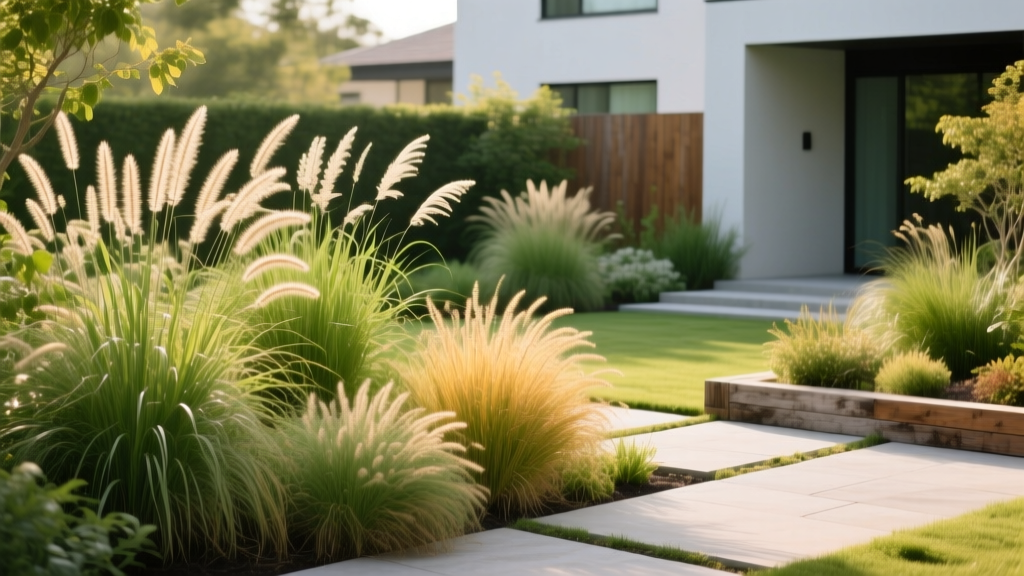
How to Plant Ornamental Grasses for Landscaping: Design and Care
Why Integrate Ornamental Grasses?
Integrating ornamental grasses for landscaping transforms static garden beds into dynamic, low-maintenance ecosystems. Unlike traditional turfgrass or high-maintenance perennial borders, ornamental grasses require up to 50% less irrigation once established, according to the Penn State Extension. They provide year-round architectural interest, winter structure, and vital habitat for overwintering beneficial insects. However, success depends on matching the specific grass cultivar to your site's microclimate and executing a precise planting protocol to prevent common failure modes like crown rot and nutrient burn.
Top Ornamental Grass Varieties by Hardiness Zone
Selecting the right species is the most critical decision in your landscape design. Avoid generic seed mixes; instead, source named cultivars from reputable nurseries to guarantee predictable mature heights, disease resistance, and non-invasive growth habits. Below is a curated selection of high-performing cultivars for diverse landscape applications.
| Botanical Name & Cultivar | Common Name | Mature Height | USDA Zones | Light Requirement | Landscape Use |
|---|---|---|---|---|---|
| Miscanthus sinensis 'Gracillimus' | Maiden Grass | 5-6 ft | 5-9 | Full Sun | Privacy screening, focal points |
| Pennisetum alopecuroides 'Hameln' | Dwarf Fountain Grass | 2-3 ft | 5-9 | Full Sun | Border edging, mass plantings |
| Schizachyrium scoparium 'The Blues' | Little Bluestem | 3-4 ft | 3-9 | Full Sun | Xeriscaping, meadow matrices |
| Hakonechloa macra 'Aureola' | Japanese Forest Grass | 1-2 ft | 5-9 | Part Shade | Woodland edges, shade gardens |
| Calamagrostis x acutiflora 'Karl Foerster' | Feather Reed Grass | 4-5 ft | 4-9 | Full Sun | Vertical accents, narrow borders |
Step-by-Step Planting Protocol
Ornamental grasses are highly susceptible to transplant shock and crown rot if planted incorrectly. Follow this precise installation sequence to ensure a 95%+ survival rate.
- Site Preparation and Soil Testing: Test your soil pH. Most ornamental grasses thrive in slightly acidic to neutral soil (pH 5.5 to 7.0). Clear the planting area of all perennial weeds, particularly bindweed and bermudagrass, using a systemic herbicide or manual solarization at least four weeks prior to planting.
- Digging the Hole: Excavate a hole exactly twice the width of the nursery container, but no deeper than the root ball. Planting grasses too deep is the leading cause of crown rot. The soil line on the plant must sit exactly flush with or slightly above (1/2 inch) the surrounding grade.
- Root Ball Scoring: Using a sterile Hori Hori knife or bypass pruners, make three vertical slices (1/4 inch deep) down the sides of the root ball, and one cross-slice on the bottom. This severs circling roots and forces outward radial growth.
- Backfilling: Do not amend the backfill soil with heavy compost or high-nitrogen fertilizers. Excess nitrogen causes weak, floppy growth. Backfill with the native soil you removed, mixing in a mycorrhizal fungi inoculant (such as MycoGrow Soluble) at a rate of 1 oz per gallon of water applied during backfilling to accelerate root establishment.
- Mulching: Apply a 2-inch layer of shredded hardwood bark mulch. Crucial: Keep the mulch at least 3 inches away from the central crown of the grass. Piling mulch against the crown traps moisture and invites Pythium root rot.
Design Frameworks: Spacing and Layout Strategies
How you space and arrange your grasses dictates the visual impact and maintenance requirements of the landscape. The University of Minnesota Extension recommends adjusting spacing based on the specific design intent rather than relying on generic nursery tag recommendations.
Framework 1: Matrix Planting (The Dutch Wave)
Best for: Naturalistic, low-maintenance meadow aesthetics.
Spacing Rule: Plant 1-gallon plugs 12 to 15 inches apart on center in a staggered triangular grid. Interplant with late-blooming perennials like Echinacea purpurea or Rudbeckia fulgida. This dense spacing suppresses weeds naturally within two growing seasons, eliminating the need for annual mulching.
Framework 2: Specimen and Focal Point Planting
Best for: Modern architectural landscapes, patio corners, and entryways.
Spacing Rule: Allow 36 to 48 inches of clearance from hardscaping and other shrubs. Use large 3-gallon or 5-gallon specimens of Miscanthus or Pennisetum to create immediate visual mass. Underplant with low-growing, shallow-rooted groundcovers like Liriope muscari or creeping thyme to hide the bare lower stems that develop as grasses age.
Seasonal Maintenance and Troubleshooting Failure Modes
While marketed as 'low maintenance,' ornamental grasses require specific seasonal interventions to prevent degradation. Below is a troubleshooting guide for the most common issues encountered by homeowners.
- Symptom: Center Die-Out (Doughnut Effect). Cause: Natural aging and crown exhaustion. Most clump-forming grasses die out in the center after 3 to 5 years. Fix: Divide the clump in early spring just as new green shoots emerge at the perimeter. Use a sharp, flat-edged spade to cut the clump into quarters, discarding the dead center and replanting the vigorous outer edges.
- Symptom: Flopping or Splitting Clumps. Cause: Excessive nitrogen fertilizer, insufficient sunlight, or overwatering. Grasses evolved in lean, poor soils. Fix: Never apply synthetic lawn fertilizers to ornamental grass beds. If flopping persists, relocate the plant to a site receiving at least 8 hours of direct, unfiltered sunlight.
- Symptom: Rust Spots on Foliage. Cause: Puccinia fungal infections, exacerbated by overhead irrigation and poor air circulation. Fix: Switch to drip irrigation. Thin out crowded plantings to improve airflow. Remove and destroy severely infected foliage; do not compost it.
Winter Care and Cut-Back Timing
Do not cut back ornamental grasses in the fall. The dried foliage and seed heads provide critical winter foraging for birds (particularly sparrows and finches) and insulation for the plant's crown against freeze-thaw cycles. Wait until late February or early March, just before new spring growth begins, to cut the foliage down to 4-6 inches above the ground using electric hedge trimmers or heavy-duty loppers.
Cost Breakdown for a 50 sq ft Grass Bed Installation
Budgeting accurately prevents project abandonment. Below is a realistic 2026 cost estimate for installing a 50-square-foot ornamental grass bed using high-quality 1-gallon nursery stock and professional-grade amendments.
| Material / Labor | Quantity | Unit Cost (2026) | Total Cost |
|---|---|---|---|
| 1-Gallon Grass Cultivars (e.g., 'Hameln') | 15 plants | $14.00 - $18.00 | $210.00 - $270.00 |
| Shredded Hardwood Mulch | 2 cubic yards | $45.00 / yd | $90.00 |
| Mycorrhizal Inoculant & Soil Conditioner | 1 kit / 1 bag | $35.00 | $35.00 |
| Weed Barrier Fabric (Optional, woven) | 1 roll (50 sq ft) | $28.00 | $28.00 |
| Estimated Total (DIY Installation) | $363.00 - $423.00 |
By investing in proper soil preparation, precise spacing, and named cultivars, your ornamental grass landscape will establish quickly, drastically reduce long-term water consumption, and provide striking architectural texture for a decade or more.

