
Landscaping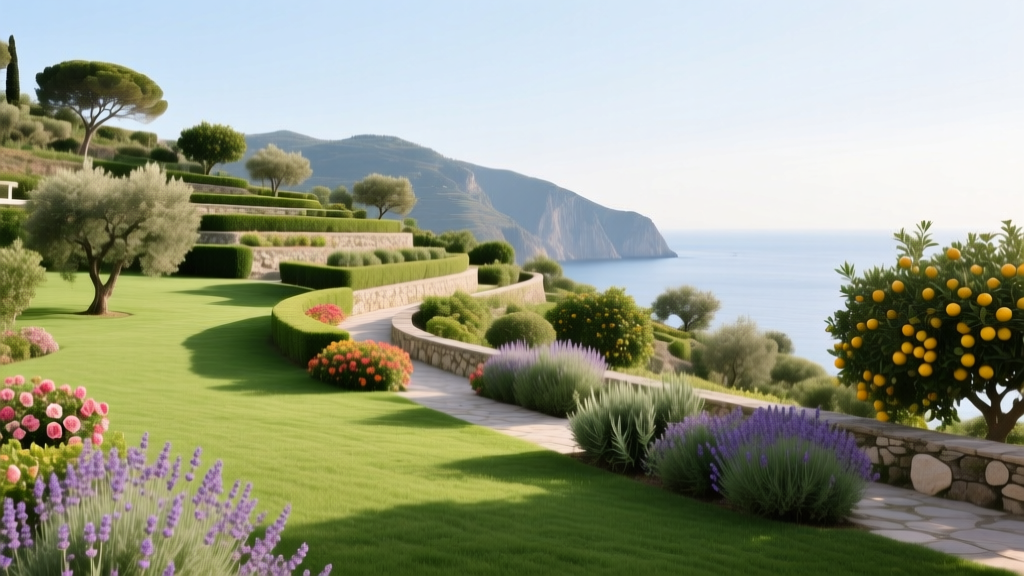
Procida Landscape Design: A Beginner's Mediterranean Guide
The Essence of the Procida Landscape
Procida, a tiny, densely populated island in Italy's Gulf of Naples, is globally celebrated for its vibrant, vertical architecture and lush, terraced coastal gardens. A true Procida landscape relies on maximizing limited square footage through tiered retaining walls, drought-tolerant Mediterranean flora, and bold, sun-baked hardscaping colors. For homeowners looking to replicate this aesthetic, the goal is to blend rugged coastal resilience with striking visual warmth.
Translating this Mediterranean island style to a residential yard requires a shift away from water-heavy turf grass and toward structured hardscaping, strategic container gardening, and deep-rooted perennials. This guide breaks down the exact materials, plant cultivars, and construction techniques needed to build an authentic Procida-inspired garden in your own backyard.
Hardscaping: Terracing and Vibrant Stucco Walls
The backbone of any Procida landscape is the terraced retaining wall. Because the island is hilly and space is at a premium, gardens are carved into stepped tiers. To achieve this look, you need to combine structural retaining methods with traditional Mediterranean finishes.
Material Selection and Costs
While traditional Neapolitan walls use local tufa stone, modern residential landscaping typically utilizes concrete masonry units (CMUs) or segmented retaining wall blocks, which are then coated in stucco. As of 2026, professional installation of a stucco-finished block retaining wall averages between $35 and $55 per square foot, depending on regional labor rates and wall height.
Pro Tip: Achieving Authentic Colors
Do not use standard gray concrete finishes. Procida's architecture is famous for its saturated pigments. Integrate iron oxide pigments directly into your stucco base coat. For an authentic look, request Yellow Ochre, Pompeian Red, or Cerulean Blue from your masonry supplier. These mineral pigments resist UV fading far better than surface-applied acrylic paints.
Structural Drainage for Terraces
Mediterranean plants despise wet roots. When building your terraced tiers, install a 4-inch perforated corrugated drain pipe wrapped in landscape fabric behind the retaining wall. Backfill the space immediately behind the wall with 3/4-inch crushed gravel to a height of 12 inches below the final soil grade. This prevents hydrostatic pressure buildup and ensures the root zones of your terraced plantings remain aerated.
The Procida Plant Palette: Coastal and Drought-Tolerant
The plant selection on Procida is dictated by salty sea breezes, intense summer sun, and mild, wet winters. To mimic this, prioritize plants with silver foliage, waxy leaves, or deep taproots. According to the UC Davis Arboretum All-Stars database, selecting regionally appropriate Mediterranean plants can reduce landscape water use by up to 75% compared to traditional lawns.
| Plant Type | Recommended Cultivar | Role in Landscape | Water Need |
|---|---|---|---|
| Citrus Tree | Citrus limon 'Femminello' | Focal point, architectural height | Moderate (Deep weekly soak) |
| Vining Climber | Bougainvillea glabra 'Raspberry Ice' | Wall coverage, vibrant color | Very Low (Drought tolerant) |
| Aromatic Shrub | Lavandula stoechas 'Otto Quast' | Border edging, pollinator attractor | Low |
| Accent Succulent | Agave attenuata 'Ray of Light' | Container specimen, textural contrast | Very Low |
| Groundcover | Rosmarinus officinalis 'Prostratus' | Spilling over retaining walls | Low |
Mastering the Terracotta Container Garden
Because Procida's streets are narrow and soil is scarce, container gardening is not just an option; it is a necessity. Heavy, thick-walled terracotta pots are the gold standard. They provide the weight needed to anchor top-heavy citrus trees in coastal winds and their porous clay walls allow soil to breathe, preventing root rot.
The Expert Soil Mix for Mediterranean Pots
Never use standard off-the-shelf potting soil for Mediterranean containers; it retains too much moisture. Mix your own substrate using the following ratio for optimal drainage and aeration:
- 40% High-Quality Potting Soil: Provides base organic matter and nutrient retention.
- 30% Pumice: Preferable to perlite, as pumice is heavier, won't float to the top over time, and provides excellent structural aeration.
- 20% Pine Bark Fines: Keeps the soil loose and slightly acidic, which citrus and lavender prefer.
- 10% Worm Castings: A gentle, slow-release organic fertilizer that won't burn sensitive roots.
Warning: Frost Protection for Terracotta
If you live in a climate where temperatures drop below 25°F (-4°C), standard terracotta will absorb water, freeze, and shatter. For USDA Zones 8 and below, either purchase frost-proof kiln-fired Impruneta terracotta (which costs upwards of $300 per large pot) or use high-density polyurethane planters painted with a faux-clay finish to mimic the look without the freeze-thaw risk.
Climate Adaptation and Maintenance
A true Procida landscape thrives in USDA Hardiness Zones 9 through 11, characterized by hot, dry summers and mild, frost-free winters. However, homeowners in Zones 7 and 8 can successfully adapt this style with strategic maintenance.
Overwintering Citrus and Tender Perennials
If your region experiences hard freezes, plant your 'Femminello' lemons and 'Raspberry Ice' bougainvillea in pots equipped with heavy-duty caster wheels. When nighttime temperatures consistently drop below 40°F, move them into a sunny greenhouse or a south-facing sunroom. Reduce watering by 50% during winter dormancy to prevent fungal pathogens like Phytophthora root rot.
Alkaline Soil Troubleshooting
Many Mediterranean plants, particularly citrus and lavender, suffer from iron chlorosis (yellowing leaves with green veins) when planted in highly alkaline soils common in the American Southwest and parts of the UK. The Royal Horticultural Society notes that high pH locks up iron in the soil. To combat this, apply a chelated iron drench (specifically EDDHA chelate, which remains stable at high pH levels) in early spring, and top-dress the soil with elemental sulfur to gradually lower the pH.
Water Management and Efficiency
The Procida aesthetic is inherently water-wise. To maintain this garden responsibly, install a drip irrigation system rather than overhead sprinklers. Overhead watering promotes powdery mildew on lavender and rosemary foliage.
According to the EPA WaterSense program, drip irrigation delivers water directly to the root zone with up to 90% efficiency, compared to 65% for traditional spray heads. Run 1/2-inch mainline tubing along your terraced walls, and use 1/4-inch emitter lines with 1-gallon-per-hour (GPH) pressure-compensating drippers for your containers. Set your smart controller to water deeply but infrequently—typically twice a week for 45 minutes during peak summer heat—to encourage deep root growth and drought resilience.
Final Design Considerations
Lighting plays a crucial role in completing the Mediterranean ambiance. Avoid harsh, cool-white floodlights. Instead, install 2700K warm-white LED uplights at the base of your terraced walls to highlight the stucco texture and cast dramatic shadows through the citrus canopy. Use low-voltage brass path lights with amber lenses to illuminate walkways without disrupting local pollinator navigation patterns. By combining structural terracing, authentic pigments, and a rigorously curated drought-tolerant plant palette, you can successfully cultivate a vibrant, low-maintenance Procida landscape that thrives in your local climate.

