
Landscaping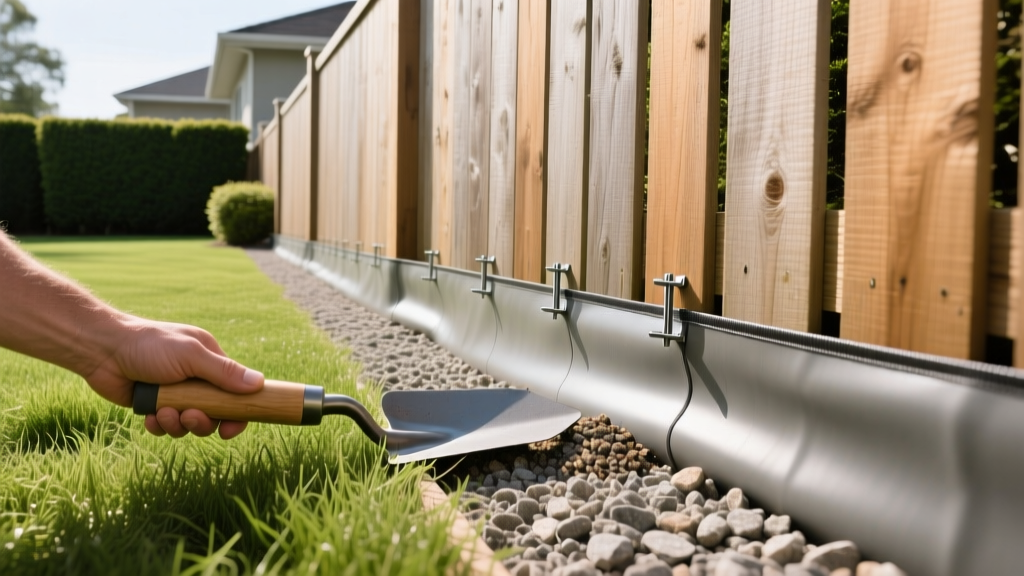
How to Install an Under Fence Grass Barrier: Step-by-Step
The Biology of Fence-Line Grass Invasion
Grass does not respect property lines. Aggressive warm-season turfgrasses, particularly Bermudagrass (Cynodon dactylon) and Zoysiagrass, spread via rhizomes (underground stems) and stolons (above-ground runners). According to the University of California Statewide IPM Program, Bermudagrass rhizomes can penetrate soil depths of up to 6 inches and extend laterally by several feet in a single growing season. When these rhizomes encounter a fence line without a physical subterranean barrier, they slide underneath, invading adjacent garden beds, neighbor's yards, or hardscapes. An under fence grass barrier intercepts these rhizomes, forcing them upward to the surface where they can be easily managed by standard mowing.
Material Selection Matrix for Subterranean Barriers
Selecting the correct material is the most critical decision in this process. Flimsy landscape fabric or thin plastic will degrade or be punctured by aggressive rhizomes within two seasons. Use the matrix below to select the appropriate barrier for your specific soil type and budget.
| Material | Thickness/Gauge | Cost per Linear Ft. | Lifespan | Best Application |
|---|---|---|---|---|
| HDPE Plastic | 40-mil to 60-mil | $1.50 - $2.50 | 15-20 Years | Standard residential lawns; sandy or loam soils. |
| Galvanized Steel | 14-gauge (0.075") | $3.00 - $4.50 | 30+ Years | Heavy clay soils; extreme temperature fluctuations. |
| Aluminum Edging | 1/8" thick | $4.00 - $6.00 | 25+ Years | Curved fence lines; coastal areas (rust-proof). |
| Poured Concrete | 4" wide x 6" deep | $8.00 - $12.00 | 50+ Years | Permanent commercial or high-end residential borders. |
Required Tools and Material Specifications
Do not attempt this project with standard gardening trowels. You need tools designed for cutting through compacted soil and roots.
- Trenching Shovel: A 4-inch wide trenching shovel (e.g., Bully Tools 14-Gauge) for digging a narrow, clean channel.
- Aviation Snips or Angle Grinder: For cutting HDPE plastic or steel edging to length.
- Rubber Mallet: A 3 lb. dead-blow hammer to drive steel stakes without deforming the edging.
- Barrier Material: Minimum 40-mil High-Density Polyethylene (HDPE) or 14-gauge galvanized steel.
- Steel Stakes: 12-inch U-shaped or J-hook steel stakes, spaced every 3 feet.
- Tamper: A manual hand tamper for compacting the backfill soil.
Step-by-Step Installation Procedure
Step 1: Utility Clearance and Line Marking
Before breaking ground, call 811 to have underground utilities marked. Fence lines frequently intersect with shallow irrigation lines, low-voltage lighting wires, and cable conduits. Once cleared, snap a chalk line exactly 2 inches away from the base of the fence on the side where the grass is growing.
Step 2: Excavate the Trench
Dig a continuous trench along the chalk line. The trench must be exactly 6 inches deep and 3 inches wide. If you are dealing with highly aggressive Zoysiagrass, increase the depth to 8 inches. According to research from the UC Davis Center for Turfgrass Science, most turfgrass rhizomes concentrate in the top 4 to 6 inches of the soil profile; deeper trenches provide a necessary safety margin.
Step 3: Cut and Position the Barrier
Cut your HDPE or steel barrier to length. Overlap consecutive sections by a minimum of 6 inches and secure the overlap with stainless steel bolts or heavy-duty landscape staples. Place the barrier into the trench. Critical detail: The barrier must extend 2 inches above the soil grade and 4 to 6 inches below grade.
Step 4: Set the Deflection Angle
Do not install the barrier perfectly vertical (90 degrees). Tilt the top of the barrier 15 degrees away from the fence and toward the invading grass. When rhizomes hit a vertical wall, they may attempt to dive deeper to bypass it. A 15-degree outward tilt acts as a deflection ramp, forcing the rhizomes upward to the soil surface where your lawnmower will sever them.
Step 5: Stake and Backfill
Drive 12-inch steel stakes through the pre-punched holes in the barrier every 36 inches. Ensure the stakes sit flush with the top edge of the barrier. Backfill the trench on both sides with the excavated soil, tamping it down every 2 inches to eliminate air pockets and prevent future settling.
Warning: The Fence Post Gap Vulnerability
The most common failure point in barrier installations is the gap around wooden or metal fence posts. Rhizomes will exploit a half-inch gap. When the barrier meets a fence post, use a reciprocating saw to notch the HDPE material so it wraps tightly around the post, or apply a heavy bead of polyurethane landscape sealant to close the void.
Long-Term Maintenance Protocol
An under fence grass barrier is not entirely maintenance-free. Over time, soil and mulch can build up against the exposed 2-inch lip of the barrier, creating a 'bridge' that stolons can crawl over.
- Bi-Annual Edging: Use a manual half-moon edger or a stick edger to cut any stolons attempting to bridge the top of the barrier.
- Grade Management: Ensure that soil levels on both sides of the fence remain at least 1 inch below the top edge of the barrier. If soil builds up, scrape it away to expose the physical lip.
- String Trimmer Care: When using a monofilament string trimmer along the fence line, keep the string parallel to the ground. Striking the HDPE barrier at an angle will eventually fray and degrade the plastic edge, creating jagged points that can damage trimmer lines and tires.
Frequently Asked Questions
Will an under fence barrier damage the fence posts?
No, provided you do not use pressure-treated wood fence posts as the barrier itself. Installing HDPE or steel edging 2 inches away from the post allows for proper wood ventilation and prevents moisture trapping, which accelerates dry rot in wooden posts.
Can I install a barrier under an existing chain-link fence?
Yes, but it requires notching the barrier material around the chain-link fabric. Slide the barrier under the bottom tension wire, cut vertical slits in the HDPE to allow the chain-link diamonds to pass through, and seal the slits with exterior-grade silicone to prevent grass penetration.
Is landscape fabric a viable alternative to HDPE?
No. Woven or non-woven landscape fabric is designed for water permeability and weed seed suppression, not rhizome blocking. Aggressive grasses like Bermudagrass will easily pierce landscape fabric within a single growing season. Only rigid, impermeable materials like 40-mil+ HDPE or steel should be used for subterranean grass containment.

