
Landscaping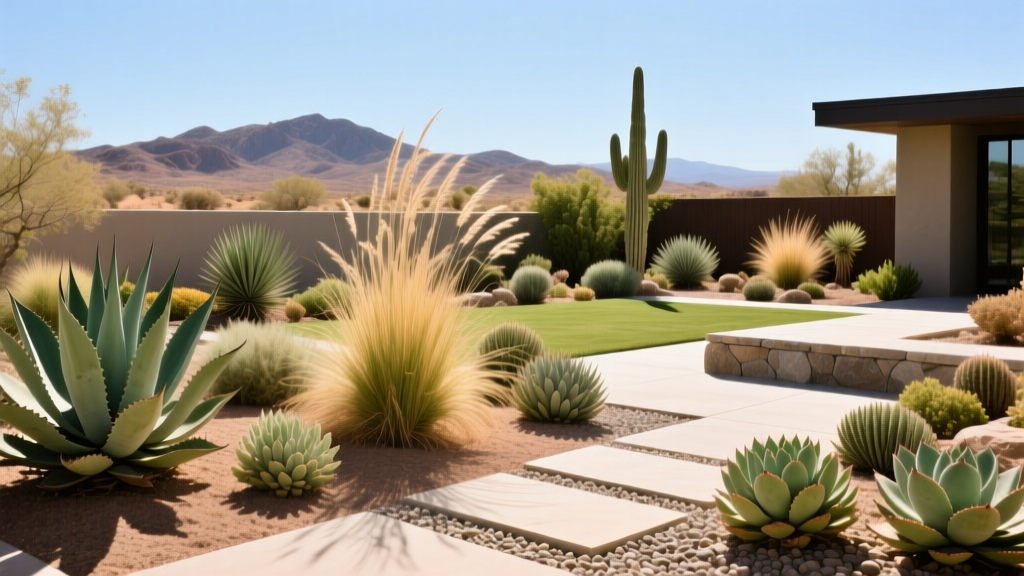
What Is the Goal of Xeriscaping? 7 Principles for Dry Climates
Defining the True Objective of Xeriscaping
Coined in 1981 by Denver Water, the term "xeriscaping" originates from the Greek word xeros, meaning dry. However, a common misconception is that xeriscaping means creating a barren, lifeless yard. So, what is the goal of xeriscaping? The primary objective is to design a sustainable, visually appealing landscape that drastically reduces or eliminates the need for supplemental irrigation, relying instead on natural precipitation and highly efficient water delivery systems.
For homeowners in drought-prone regions or areas with strict municipal water restrictions, the goal extends beyond simple conservation. It encompasses lowering long-term maintenance costs, reducing chemical fertilizer runoff, and creating a resilient ecosystem that thrives in the local microclimate. According to the U.S. Environmental Protection Agency (EPA), the average American family uses 320 gallons of water per day, with nearly 30% devoted to outdoor uses. In arid regions, that outdoor figure can exceed 60%. Xeriscaping directly attacks this inefficiency at the root.
Key Takeaway: The ultimate goal of xeriscaping is not to eliminate water use entirely, but to optimize it. A properly designed xeriscape can reduce landscape water use by 50% to 75% while maintaining high curb appeal and supporting local pollinators.
The 7 Core Principles of Xeriscaping
To achieve these water-saving goals, landscape architects rely on a specific framework. The Colorado State University Extension, one of the pioneering institutions in xeriscape research, outlines seven foundational principles that dictate every design decision.
1. Planning and Design
Before digging a single hole, you must map your yard's microclimates. Identify areas that receive full sun, deep shade, or heavy wind exposure. Note where water naturally pools after a rainstorm and where the soil dries out first. This site analysis dictates your hydrozones (detailed below).
2. Soil Improvement
The goal here is to maximize water infiltration and retention. For non-native plant beds, amend the top 6 to 8 inches of soil with 3 cubic yards of organic compost per 1,000 square feet. However, for true desert natives like Agave or Yucca, skip the organic matter; they require fast-draining, sandy, or gravelly soils to prevent root rot.
3. Practical Turf Areas
Xeriscaping does not mandate the total removal of grass. The goal is to limit turf to functional areas—like a small play space for children or pets. Replace traditional Kentucky Bluegrass (which requires up to 2 inches of water weekly) with drought-tolerant alternatives like Buffalograss (Buchloe dactyloides) or UC Verde Buffalograss, which requires 75% less water once established.
4. Efficient Irrigation
Overhead sprinklers lose up to 30% of their water to wind drift and evaporation. The xeriscape goal is to utilize subsurface drip irrigation. Install pressure-compensating drip lines with 0.9 GPH (gallons per hour) emitters spaced 12 inches apart, buried under 2 inches of mulch. This delivers water directly to the root zone at a slow rate, eliminating runoff.
5. Mulching
Mulch is the unsung hero of water retention. It cools the soil, suppresses water-stealing weeds, and prevents evaporation. Apply a 2-to-3-inch layer of organic mulch (like shredded cedar or pine bark) around shrubs and perennials. For desert plantings, use 3 to 4 inches of inorganic mulch, such as 3/4-inch river rock or decomposed granite, which won't harbor fungal diseases in high-humidity microclimates.
6. Low-Water Plant Selection
Selecting the right plant for the right place is critical. Utilize the University of California's WUCOLS database (Water Use Classification of Landscape Species) to verify the exact hydro-needs of your chosen plants. Group species with identical evapotranspiration (ET) rates together.
7. Appropriate Maintenance
While xeriscapes are "low maintenance," they are not "no maintenance." The goal shifts from weekly mowing and watering to seasonal pruning, weeding, and replenishing mulch. Drip irrigation filters must be flushed annually, and emitters checked for clogs.
Xeriscape vs. Traditional Turf: Cost & ROI Matrix
Understanding the financial goal of xeriscaping requires looking past the initial installation price. While traditional sod is cheaper to lay down, the long-term operational costs heavily favor xeriscaping. Below is a comparative breakdown based on a 1,000-square-foot front yard conversion in a Zone 8/9 climate.
| Metric | Traditional Turf (Fescue/Bluegrass) | Full Xeriscape Conversion |
|---|---|---|
| Initial Installation Cost | $1,000 - $2,500 | $5,000 - $15,000 |
| Annual Water Cost | $500 - $1,200 | $100 - $250 |
| Annual Maintenance Hours | 60 - 80 hours (mowing, edging) | 10 - 15 hours (pruning, weeding) |
| Fertilizer & Chemicals | $150 - $300 / year | $0 - $50 / year |
| Estimated ROI Timeline | N/A (Continuous expense) | 5 to 8 Years |
Pro Tip for Rebates: Many municipalities in the American West offer "Cash for Grass" programs. As of 2026, cities like Las Vegas and Los Angeles pay between $2.00 and $5.00 per square foot of removed turf, which can offset up to 40% of your initial xeriscape installation costs.
Hydrozoning: The Blueprint for Water Efficiency
A major goal of xeriscaping is to prevent "overwatering by association." This happens when a low-water cactus is planted next to a high-water fern, forcing the gardener to either drown the cactus or starve the fern. Hydrozoning solves this by dividing your landscape into three distinct irrigation valves:
- Routine Zone (High Water): Areas receiving 60-80% of standard ET. Typically located near the patio or entryway for lush visual impact. Plant examples: Hybrid daylilies, creeping thyme, dwarf fescue.
- Reduced Zone (Moderate Water): Areas receiving 30-50% of standard ET. Watered deeply but infrequently to encourage deep root growth. Plant examples: Deer grass (Muhlenbergia rigens), Autumn sage (Salvia greggii), Yarrow.
- Minimal Zone (Low/No Water): Areas receiving 10-20% of standard ET, relying almost entirely on natural rainfall once established. Plant examples: Agave parryi, Red yucca (Hesperaloe parviflora), Prickly pear.
The "Zeroscaping" Trap: Common Misconceptions
When homeowners misunderstand the goal of xeriscaping, they often default to "zeroscaping"—tearing out all vegetation and replacing it with white gravel, plastic weed barrier, and a few scattered boulders. This approach creates severe environmental and aesthetic problems.
Warning: Covering your yard entirely in light-colored gravel creates a "heat island" effect. The rocks absorb and radiate solar radiation, raising the ambient temperature around your home by up to 10°F, which can actually increase your summer air conditioning costs. Furthermore, plastic weed barriers degrade under UV light within 3 to 5 years, trapping moisture and creating an anaerobic environment that destroys soil biology.
True xeriscaping embraces living, breathing plants adapted to the local climate. The goal is a thriving, textured, and colorful landscape that works with the environment, not against it. By utilizing native perennials, ornamental grasses, and succulents, you provide vital habitats for local bees and hummingbirds while achieving the ultimate goal: a beautiful yard that practically waters itself.
Final Thoughts on Implementation
Transitioning to a xeriscape is a phased process. Start by auditing your current irrigation system and replacing spray heads with drip lines. Next, tackle the least functional areas of your turf, such as the narrow strip between the sidewalk and the street (the "hellstrip"), which is notoriously difficult to water efficiently. By systematically applying the seven principles, you will build a resilient landscape that honors local water resources without sacrificing aesthetic beauty.

