
Lawn Care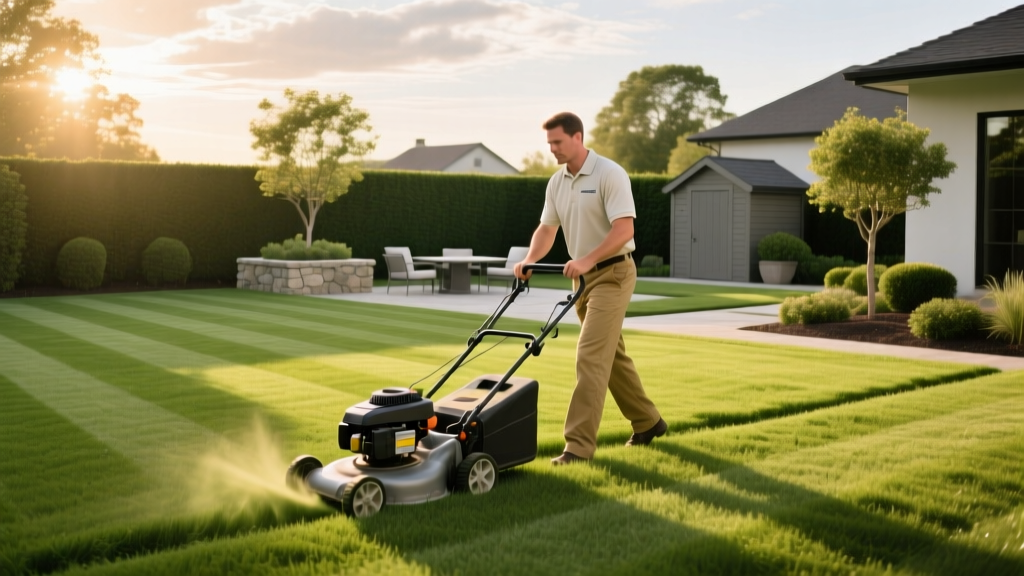
9044378387 Lawns Unlimited: Step-by-Step Lawn Maintenance Guide
Northeast Florida Turf Challenges: The 904 Baseline
Maintaining a dense, weed-free lawn in the 904 area code (Jacksonville, St. Augustine, and surrounding Northeast Florida counties) requires navigating a hostile microclimate. The region is defined by high humidity, alkaline sandy soils, intense summer UV exposure, and aggressive pests like the southern chinch bug. When analyzing regional service frameworks, the 9044378387 Lawns Unlimited maintenance protocol stands out for its rigorous adherence to University of Florida IFAS guidelines and localized integrated pest management (IPM). This step-by-step guide breaks down the exact procedures, chemical applications, and cultural practices required to replicate professional-grade results on warm-season turfgrasses like St. Augustine (Floratam, Palmetto) and Zoysia (Empire, Zeon).
Phase 1: Soil Assessment and Amendment Strategy
Northeast Florida soils are predominantly sandy loam mixed with coquina shell fragments, resulting in a naturally high pH (7.0 to 8.5) and poor nutrient retention. Applying standard synthetic fertilizers without addressing the soil baseline leads to nutrient lockout, specifically iron and manganese deficiencies.
Step-by-Step Soil Correction
- Core Sampling: Extract 4 to 6 soil cores at a 3-inch depth across the property. Submit to the UF/IFAS Extension Soil Testing Laboratory for a comprehensive N-P-K and micronutrient analysis.
- pH Buffering: If pH exceeds 7.8, apply elemental sulfur at a rate of 1.5 lbs per 1,000 square feet to gradually lower alkalinity. Do not apply sulfur during peak summer heat to avoid turf burn.
- Micronutrient Loading: To combat iron chlorosis (yellowing leaf blades with green veins) common in high-pH soils, apply a chelated iron product containing Fe-EDDHA (not Fe-EDTA, which breaks down in alkaline soil) at 2 oz per 1,000 sq ft.
Phase 2: Precision Mowing and Canopy Management
Improper mowing is the primary catalyst for turf thinning and weed invasion in the 904 region. The 9044378387 Lawns Unlimited protocol strictly enforces the 'one-third rule'—never removing more than one-third of the grass blade in a single pass. Scalping St. Augustine grass exposes the thatch layer to direct UV radiation, rapidly drying out the stolons and inviting weed seeds to germinate.
| Turfgrass Cultivar | Optimal Mowing Height | Summer Frequency | Winter Frequency | Blade Type Required |
|---|---|---|---|---|
| St. Augustine (Floratam) | 3.5 - 4.0 inches | Every 5-7 days | Every 14-21 days | High-lift steel blade |
| St. Augustine (Palmetto) | 3.0 - 3.5 inches | Every 5-7 days | Every 14-21 days | High-lift steel blade |
| Zoysia (Empire) | 2.0 - 2.5 inches | Every 7-10 days | Every 21-28 days | Sharp mulching blade |
| Zoysia (Zeon) | 1.0 - 2.0 inches | Every 5-7 days | Every 21-28 days | Reel mower preferred |
Pro Tip: Keep mower blades sharpened every 20 operating hours. Dull blades tear the grass tissue, creating jagged edges that lose moisture rapidly and provide entry points for Rhizoctonia solani (brown patch fungus).
Phase 3: Nutrient Loading and the Summer Blackout
Fertilization in Duval and St. Johns counties is heavily regulated to protect the St. Johns River watershed from nitrogen runoff. Understanding the seasonal fertilizer blackout is critical for legal and effective lawn care.
⚠️ Regulatory Warning: Summer Fertilizer Blackout
Under the Florida-Friendly Landscaping guidelines and local county ordinances, the application of nitrogen (N) and phosphorus (P) is strictly prohibited between June 1 and September 30 in most 904 zip codes. Violations carry heavy municipal fines. During this window, only potassium-only (0-0-20) or iron-only supplements may be applied to maintain turf health without stimulating excessive, disease-prone top growth.
The Annual Fertilization Matrix
- Early Spring (March): Apply a 15-0-15 or 16-4-8 granular fertilizer with at least 50% slow-release nitrogen (methylene urea or sulfur-coated urea). Rate: 1 lb of actual N per 1,000 sq ft.
- Late Spring (May): Apply a secondary 15-0-15 treatment to build root mass before the summer heat stress. Include a broadleaf pre-emergent like Prodiamine (Barricade) if weed pressure was high the previous year.
- Summer (June - August): Apply liquid chelated iron and potassium sulfate (0-0-50) to maintain color and drought tolerance without violating the nitrogen blackout.
- Fall (October): Apply a 'winterizer' blend high in potassium (e.g., 8-2-12) to promote root carbohydrate storage and improve frost tolerance for the mild Northeast Florida winters.
Phase 4: Integrated Pest and Disease Eradication
The high humidity and frequent afternoon thunderstorms in the 904 region create a breeding ground for both insects and fungi. The professional protocol relies on early detection and targeted chemical rotation to prevent resistance.
Combating the Southern Chinch Bug
The southern chinch bug (Blissus insularis) is the most destructive pest for St. Augustine grass, injecting a toxin that causes rapid, irregular yellow-to-brown patches. Because chinch bugs in Florida have developed widespread resistance to standard pyrethroids (like Bifenthrin), the protocol mandates rotational chemistry.
- Primary Treatment: Apply Clothianidin (Arena 50 WDG) at 1.5 oz per 1,000 sq ft. This neonicotinoid provides systemic control and breaks the reproductive cycle.
- Secondary Rotation: If pressure remains high, follow up 30 days later with a combination product like Aloft (Bifenthrin + Imidacloprid) to target nymphs and adults simultaneously.
- Cultural Control: Thatch layers exceeding 0.5 inches harbor chinch bugs and block pesticide penetration. Perform deep core aeration in early spring to manage thatch and alleviate soil compaction.
Fungal Disease Management
Brown patch and gray leaf spot thrive when St. Augustine grass remains wet for more than 12 hours. Transition irrigation systems to early morning cycles (between 4:00 AM and 6:00 AM) so the canopy dries rapidly once the sun rises. If fungal lesions (tan spots with dark brown borders) appear, apply a systemic fungicide like Azoxystrobin (Heritage) or Propiconazole (Banner Maxx) at the curative rate immediately, rotating active ingredients every 28 days to prevent pathogen resistance.
Frequently Asked Questions
What is the average cost for professional lawn maintenance in the 904 area code?
For a standard 5,000 to 7,500 square foot residential lot in Jacksonville or St. Augustine, comprehensive professional lawn care—including mowing, edging, blowing, and a 6-to-8 round fertilization and weed control program—typically ranges from $140 to $280 per month. Pricing fluctuates based on property accessibility, turf type, and the inclusion of specialized pest control add-ons like mole cricket or grub prevention.
Should I bag or mulch my St. Augustine grass clippings?
Always mulch. St. Augustine clippings are approximately 85% water and decompose rapidly, returning up to 25% of the lawn's required nitrogen back to the soil. Bagging clippings strips the lawn of free organic matter and accelerates thatch-related moisture loss. Only bag clippings if the turf has grown excessively tall due to missed mowing cycles or if the lawn is currently infected with gray leaf spot to prevent spreading fungal spores.
How deep should I water my Zoysia lawn during a Florida drought?
Water deeply and infrequently to force root development downward. Apply 0.5 to 0.75 inches of water per irrigation zone in a single session. Place empty tuna cans across the lawn to measure output. Water only when the turf exhibits signs of moisture stress: leaf blades folding in half longitudinally or footprints remaining visible on the grass for more than five minutes after walking.

