
Lawn Care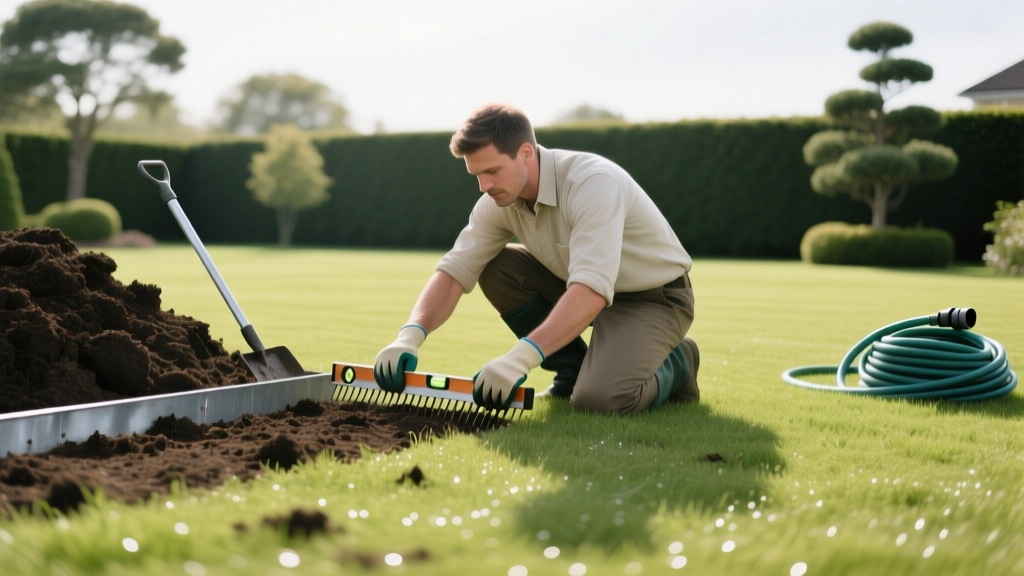
How to Achieve Perfectly Flat Grass: Step-by-Step Leveling Guide
Diagnosing the Problem: Uneven Ground vs. Lodged Blades
When homeowners look for ways to fix flat grass, they are typically dealing with one of two distinct turf issues. The first is an uneven lawn grade—characterized by dips, mounds, and frost heaves—where the goal is to create a flat, level surface. The second is 'lodging,' a condition where grass blades physically bend over and mat down, refusing to stand upright. Both issues require specific, step-by-step maintenance procedures to resolve. Attempting to fix a grading issue with a heavy lawn roller, or trying to fix lodged blades with topdressing, will only worsen your turf's health.
According to NC State University's Turfgrass Program, proper soil structure and thatch management are the foundational elements of maintaining a level, upright lawn. Before purchasing materials, you must identify which type of 'flat' grass you are battling.
Signs of Uneven Ground (Grade Issues)
- Scalped patches after mowing (mower wheels dip into low spots, cutting grass too short).
- Puddling and poor drainage in localized depressions.
- Visible mounds from earthworm castings, mole activity, or decaying tree roots.
Signs of Lodging (Matted Grass Blades)
- Grass blades remain bent over even when dry and free of foot traffic.
- A spongy feel underfoot, indicating excessive thatch buildup (>0.5 inches).
- Dark green, weak, and overly succulent blades that collapse under their own weight due to excess quick-release nitrogen.
The Step-by-Step Procedure to Level Uneven Ground
Achieving a perfectly flat grass surface requires topdressing—a process of applying a thin layer of soil amendment over the existing turf to fill in low spots. This is a multi-season process; attempting to fill deep ruts in a single application will smother the grass crowns and kill your lawn.
Step 1: Mow Low and Dethatch
Before applying any leveling materials, mow your lawn slightly lower than your standard maintenance height. For warm-season grasses like Bermuda or Zoysia, mow down to 1 to 1.5 inches. For cool-season grasses like Tall Fescue, mow to 2 inches. Next, use a thatch rake or a power dethatcher to remove the layer of dead organic matter. If your thatch layer exceeds 0.5 inches, topdressing will fail because the sand will sit on top of the thatch rather than integrating with the soil profile.
Step 2: Core Aeration
Run a core aerator over the lawn, pulling 3-inch plugs at a rate of 15 to 20 passes per 1,000 square feet. This relieves soil compaction and creates channels for your topdressing mix to reach the root zone. Leave the pulled plugs on the lawn; they will break down and integrate with your topdressing material.
Step 3: Mix the Correct Topdressing Material
The composition of your topdressing mix must match your grass type. Using the wrong mix can alter your soil pH or destroy drainage. University of Minnesota Extension experts warn against using pure topsoil for leveling, as it often contains weed seeds and retains too much moisture, leading to fungal diseases.
| Grass Type | Examples | Topdressing Mix Ratio | Why This Mix Works |
|---|---|---|---|
| Warm-Season | Bermuda, Zoysia, Centipede | 70% Washed Masonry Sand / 30% Screened Compost | Warm-season grasses spread via stolons and rhizomes that easily push through sand. The sand improves drainage and prevents compaction. |
| Cool-Season | Tall Fescue, Kentucky Bluegrass | 50% Screened Topsoil / 50% Screened Compost | Cool-season grasses grow in bunches and can be smothered by heavy sand. A soil/compost mix provides necessary nutrients without burying the crowns. |
Step 4: Apply and Level the Mix
Apply the topdressing mix at a rate of 1/4 to 1/2 cubic yard per 1,000 square feet. This will yield a layer roughly 1/4 to 1/2 inch thick. Dump the mix in small piles across the lawn. Using a specialized lawn leveling rake, spread the material evenly, working it into the aeration holes and low spots. The tips of the grass blades must remain visible; never bury the grass completely.
⚠️ WARNING: Avoid the Lawn Roller Trap
Many homeowners attempt to achieve flat grass by filling a heavy steel lawn roller with water and dragging it over the turf. On clay-heavy soils, this practice destroys soil structure, crushes macropores, and creates severe sub-surface compaction. Topdressing and dragging with a flexible mat is the only agronomically sound method for leveling a lawn.
Step 5: Water to Settle the Material
Immediately after leveling, apply 1/4 inch of water. This is just enough to wash the sand off the grass blades and settle the mix into the low spots without washing the material away. Repeat this light watering daily for 4 to 5 days to keep the compost moist and encourage microbial activity.
Tool Recommendations and Cost Breakdown
Investing in the right equipment ensures a professional-grade finish. Here is what you need for a 5,000-square-foot lawn:
- Leveling Rake: The Rocklin Industry Leveling Rake or the Levelawn Original ($110–$140). These feature a wide, flat aluminum or steel head that pushes sand into dips without pulling it back out.
- Drag Mat: A Par Aide Drag Mat or a DIY alternative made from a 4x4 foot piece of chain-link fence weighted with a steel pipe ($50–$150). Use this for the final pass to smooth the surface.
- Washed Masonry Sand: Available at local landscape supply yards. Expect to pay $30 to $45 per ton. For 5,000 sq ft, you will need approximately 1.5 tons.
- Screened Compost: $40 to $60 per cubic yard. Ensure it is screened to 3/8 inch or finer to prevent large wood chips from smothering the grass.
Fixing Lodged (Matted) Grass Blades
If your ground is perfectly level but your grass blades are physically flat and bent over, you are dealing with lodging. This is a physiological issue caused by weak cell walls in the grass blades.
1. Adjust Your Nitrogen Source
Excessive use of quick-release synthetic fertilizers (like standard urea) causes rapid, succulent top growth. The grass grows faster than its cellular structure can support, causing it to collapse under the weight of rain or wind. Switch to a slow-release, methylene-urea based fertilizer (such as Lebanon ProScape or Milorganite). These provide a steady nutrient drip, resulting in rigid, upright blades.
2. Sharpen Mower Blades on a Strict Schedule
Dull mower blades tear the grass rather than slicing it. This tearing damages the structural integrity of the blade tip, causing it to fold over and turn brown. Sharpen your mower blades every 25 hours of operation. For a standard suburban lawn mowed weekly, this means sharpening the blades at least twice per season (mid-spring and late summer).
3. Implement a Potassium Boost
Potassium (the 'K' in N-P-K) acts as the immune system and structural support for turfgrass. If your grass is consistently lodging, order a soil test. If potassium levels are low, apply a winterizer fertilizer high in potassium (such as a 0-0-25 or 5-10-30 blend) in early autumn. This thickens the cell walls of the grass blades, ensuring they stand upright and resist matting during heavy rains and winter snow loads.

