
Lawn Care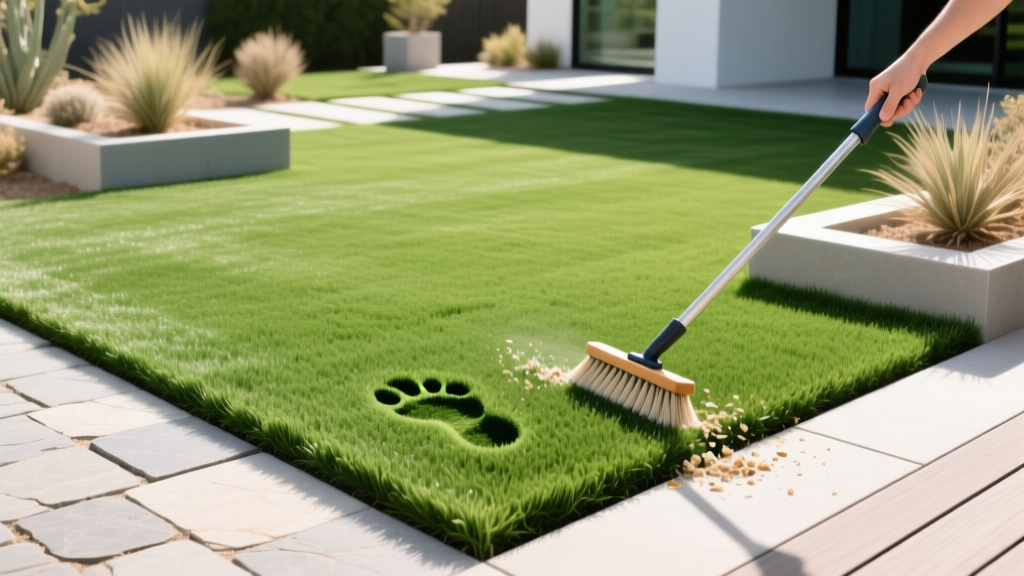
How to Maintain an Artificial Grass Front Lawn: Step-by-Step
Installing an artificial grass front lawn is one of the most effective ways to eliminate mowing, reduce water consumption, and maintain a perpetually green curb appeal. According to the EPA WaterSense program, outdoor water use accounts for nearly 30% of total household water consumption, a figure that synthetic turf drastically reduces. However, a common misconception among homeowners is that synthetic turf is entirely 'zero-maintenance.' In reality, it is 'low-maintenance.' Without a structured care regimen, the polyethylene and polypropylene blades will mat down, the infill will compact, and organic debris will foster weed growth and bacterial odors.
Quick Fact: A properly maintained artificial grass front lawn can last 15 to 20 years. Neglected turf, however, often shows severe matting and infill degradation within 5 to 7 years, necessitating premature and costly replacement.
The Core Maintenance Matrix: Frequency and Tasks
To keep your synthetic lawn looking like natural grass, you must follow a tiered maintenance schedule. The Synthetic Turf Council emphasizes that routine grooming is the single most important factor in preserving the structural integrity of the turf fibers. Below is the professional maintenance matrix for residential front lawns.
| Frequency | Primary Task | Required Tools | Time Required |
|---|---|---|---|
| Weekly | Debris & Leaf Removal | Electric/Gas Leaf Blower (150+ MPH) | 10-15 mins |
| Monthly | Blade Grooming & Infill Redistribution | Stiff Nylon Bristle Broom / Power Broom | 20-30 mins |
| Bi-Annually | Deep Rinse & Enzymatic Odor Treatment | Garden Hose, Enzymatic Cleaner, Sprayer | 30-45 mins |
| Every 2-3 Years | Infill Top-Dressing | Drop Spreader, #20 Mesh Silica Sand | 1-2 hours |
Step-by-Step Routine: Keeping the Blades Upright
Synthetic turf blades have a natural 'grain' or memory. Over time, foot traffic, rainfall, and gravity cause these blades to lay flat. If left unbrushed, the fibers will permanently crease and mat, creating a shiny, plastic-like appearance that ruins the natural aesthetic of your front lawn.
Selecting the Right Brushing Tools
Never use a metal rake or a wire-bristle brush on artificial grass. Metal tines will slice the polyethylene fibers and tear the primary backing, leading to irreversible damage and voiding your manufacturer warranty. Instead, rely on the following:
- Manual Push Broom: Use a broom with stiff nylon bristles. The bristles should be at least 4 inches long and firm enough to flick the infill but flexible enough not to snap the turf yarn.
- Motorized Power Broom: For lawns exceeding 500 square feet, a gas-powered or battery-operated power broom (such as the TurboBrush or similar rotary bristle models) is highly recommended. These machines feature counter-rotating nylon brushes that aggressively lift the blades and de-compact the infill in a single pass.
The Brushing Technique
- Identify the Grain: Stand at the street looking toward your house. The turf is usually installed so the blades point toward the viewer (the street) for the most realistic look.
- Brush Against the Grain: Always brush in the opposite direction of the blade lean. In this case, brush from the house toward the street.
- Apply Moderate Pressure: Press down just enough to reach the infill layer at the base of the turf. This redistributes the silica sand or acrylic infill, ensuring the blades remain supported from the bottom up.
- Cross-Brush for High Traffic: If you have a pathway or a section where the mail carrier frequently walks, brush that specific area diagonally (in an 'X' pattern) to prevent the fibers from developing a permanent lean in one direction.
Debris Management and Weed Prevention
While the backing of your artificial grass is weed-proof, the infill layer on top is not. Wind-blown soil, decaying leaves, and pollen will settle into the infill, creating a shallow organic layer where weed seeds can germinate.
Expert Tip: Avoid using high-pressure washers (above 1,500 PSI) to blast debris off your lawn. The intense water pressure will wash away your expensive infill and expose the primary backing to UV degradation. Always opt for a leaf blower or a plastic lawn rake.
For weed management, spot-treat any emerging weeds with a standard glyphosate-based herbicide or a natural horticultural vinegar solution. Because the weed's roots are only anchored in the top inch of infill, they pull out easily by hand before they can spread. Apply a granular pre-emergent weed preventer (like Preen Garden Weed Preventer) over the turf once in early spring and once in early fall to stop seeds from germinating in the infill.
Deep Cleaning and Odor Neutralization (Pet Owners)
If dogs use your front lawn as a restroom, urine will drain through the perforated backing into the base layer. However, the uric acid crystals left behind will emit a strong ammonia odor when heated by the sun. Standard soap and water will not break down these crystals; you must use an enzymatic cleaner.
The Enzymatic Flush Protocol
- Pre-Rinse: Thoroughly hose down the affected area with plain water to dilute fresh urine and wash away surface debris.
- Mix the Enzyme: Use a pet-specific enzymatic turf deodorizer (such as PE-51 or Simple Green Outdoor). These contain live bacteria that consume uric acid. Mix according to the label, typically 2 to 3 ounces per gallon of water.
- Apply via Hose-End Sprayer: Attach the bottle to your garden hose. The siphon mechanism will automatically mix the concentrate with the water stream, allowing you to cover large areas evenly.
- Let it Sit: Do not rinse the enzyme off immediately. Apply it in the late afternoon or early evening so the sun doesn't evaporate it instantly. The bacteria need 8 to 12 hours of damp contact time to break down the uric acid crystals.
Heat Warning: Synthetic turf can reach surface temperatures of 150°F to 170°F in direct, mid-day summer sunlight. If your front lawn lacks shade, consider upgrading your infill to a heat-reducing option like T-Cool or Envirofill, which utilize evaporative cooling or specialized acrylic coatings to lower surface temperatures by up to 30°F.
Infill Top-Dressing: The Secret to Longevity
Infill is the unsung hero of an artificial grass front lawn. It weighs down the turf, provides drainage, and acts as a shock absorber. Over time, infill breaks down, washes away near downspouts, or gets tracked out by pets and shoes. Every 2 to 3 years, you should top-dress your lawn.
Purchase #20 mesh silica sand or an antimicrobial acrylic infill like Envirofill. Using a standard drop spreader (the same kind used for grass seed or fertilizer), apply approximately 1 to 1.5 pounds of infill per square foot. Immediately follow the application with a thorough brushing using your nylon broom to work the new sand deep into the turf canopy, ensuring it rests at the base of the fibers rather than sitting on top of the blades.
Handling Edge Cases: Melting and Seam Separation
Two specific issues frequently plague front lawn installations due to environmental factors:
- Window Reflection Melting: Low-E (low emissivity) double-pane windows can act as magnifying glasses, focusing sunlight into a concentrated beam that exceeds the 200°F melting point of polyethylene turf. If you notice melted, fused patches on your lawn, you must apply an anti-reflective window film to the facing windows or install exterior screens to diffuse the light.
- Seam Separation: If the ground shifts or tree roots expand beneath the base, the seams of your turf may pull apart. Do not attempt to glue them back together with standard adhesives. You will need to lift the turf, re-compact the decomposed granite base, and re-join the seams using specialized outdoor turf seam tape and two-part polyurethane turf adhesive.
Frequently Asked Questions
Can I use rock salt to melt ice on my artificial lawn in winter?
No. Rock salt and chemical ice melters will leave a residue that clogs the drainage holes in the turf backing, leading to pooling water and potential freeze-thaw damage to the base. If you must remove snow, use a plastic shovel (never metal) and allow the ice to melt naturally, or use a warm water rinse to gently break up the ice.
How do I remove tree sap or chewing gum from the blades?
Do not scrape sap or gum with a knife, as you will cut the turf fibers. Instead, apply a dry ice cube or a commercial freeze-spray directly to the gum or sap until it becomes brittle. Once frozen, it will easily pop off the synthetic blade without leaving a residue.
Will artificial grass fade from UV exposure?
High-quality modern turf is manufactured with UV inhibitors baked directly into the polyethylene yarn, not just coated on the surface. While a very slight, uniform fading may occur over 15 years, localized severe fading is usually a sign of chemical damage from improper pool chlorine splashing or undiluted acid-based cleaners.

