
Lawn Care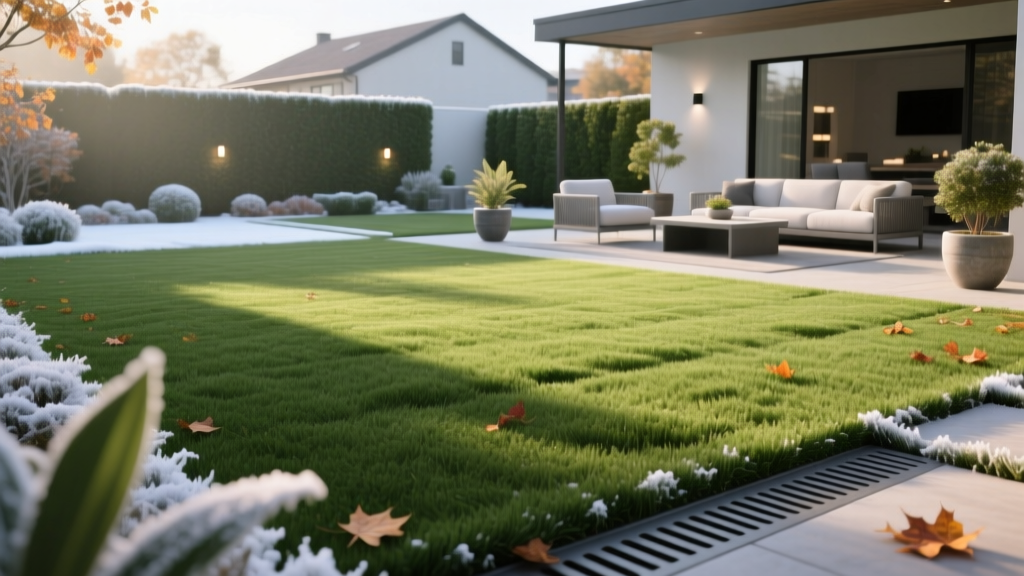
Artificial Grass Maintenance: Step-by-Step Seasonal Care Guide
The synthetic turf industry often markets its products as 'maintenance-free,' but landscape professionals know the reality: artificial grass requires low maintenance, not zero maintenance. Without a structured artificial grass maintenance routine, synthetic blades will mat down, drainage pores will clog with silt, and pet areas will harbor uric acid crystals that emit foul odors. According to the Synthetic Turf Council, proper upkeep extends the lifespan of a synthetic lawn from a mere eight years to over two decades.
This step-by-step guide outlines the exact procedures, professional-grade products, and seasonal schedules required to keep synthetic turf looking pristine, draining efficiently, and smelling fresh.
The Core Artificial Grass Maintenance Toolkit
Before executing any maintenance procedures, assemble the correct tools. Using the wrong equipment—such as metal rakes or harsh chemicals—will void manufacturer warranties and permanently damage the polyethylene or polypropylene fibers.
- Stiff-Bristled Push Broom: Must feature nylon or polypropylene bristles. Never use steel-wire bristles, which rust and slice synthetic fibers.
- Power Broom: For lawns over 500 square feet, rent a rotary power broom (e.g., Billy Goat or TurfBrush). Rental costs average $45 to $65 per day at local equipment yards.
- Leaf Blower: A gas or battery-powered blower with a minimum output of 400 CFM to lift debris without disturbing the infill layer.
- Enzymatic Turf Cleaner: Products like PE-51 or Simple Green Outdoor ($30–$45 per gallon) specifically formulated to break down uric acid and organic proteins.
- Replacement Infill: Keep a 50-lb bag of Zeolite or Envirofill ($40–$60) on hand for high-traffic pet areas. Avoid standard silica sand for pet zones, as it traps moisture and bacteria.
The Weekly Baseline Routine (Steps 1-3)
Consistent weekly upkeep prevents the gradual accumulation of dust, pollen, and organic matter that eventually clogs the polyurethane backing's drainage holes.
Step 1: Dry Debris Removal
Use your leaf blower to clear leaves, twigs, and wind-blown trash. Always blow in a single direction, moving systematically across the lawn. If leaves are left to decompose on synthetic turf, they create a nutrient-rich soil layer that invites weed seeds to germinate directly on top of the turf backing.
Step 2: Targeted Rinsing
Hose down the lawn using a standard spray nozzle. The UC Davis Center for Landscape and Urban Horticulture notes that while synthetic turf eliminates irrigation needs, occasional rinsing is vital to remove microscopic dust and pollen that cause fibers to look dull and gray. Apply approximately 1 to 2 gallons of water per square foot, focusing on high-dust areas near driveways or streets.
Step 3: Cross-Grain Brushing
Once the turf is dry, brush the fibers against the natural grain (the direction they naturally lean). Hold the broom at a 45-degree angle and apply moderate downward pressure. This lifts the blades, prevents matting in high-traffic pathways, and redistributes the infill evenly across the base.
Pet Waste & Odor Neutralization Protocol
Pet owners face the most significant artificial grass maintenance challenges. Dog urine contains uric acid, which crystallizes as it dries and bonds to the turf fibers and infill. Standard water rinsing will not dissolve these crystals.
Expert Tip: If your turf was installed with standard silica sand infill, consider a top-dressing of Zeolite. Zeolite is a naturally occurring mineral with a honeycomb-like microporous structure that traps ammonia gases and absorbs up to 60% of its weight in moisture, drastically reducing pet odors.
- Solid Waste Removal: Pick up solid waste immediately. Use a plastic bag or pooper-scooper. If residue remains, spray the spot with water and wipe with a paper towel.
- Enzymatic Application: Dilute your enzymatic cleaner (like PE-51) according to the manufacturer's ratio—typically 3 ounces per gallon of water. Apply using a pump sprayer to ensure deep penetration into the infill layer.
- Dwell Time: Allow the enzyme solution to sit for 15 to 20 minutes. The enzymes require this time to actively consume the bacteria and break down the uric acid crystals.
- Final Rinse: Flush the treated area heavily with clean water to push the broken-down organic matter through the drainage backing and into the sub-base aggregate below.
Infill Replenishment & Fiber Revitalization
Infill is the unsung hero of synthetic turf. It weighs down the backing, provides cushioning, and keeps the grass blades standing upright. Over time, foot traffic, rain, and power brooming will cause infill levels to drop, particularly in play areas and pet zones.
Inspect your infill levels bi-annually. Part the grass blades with your fingers; you should see roughly 1/2 inch to 3/4 inch of infill resting at the base. If the thatch layer is exposed, purchase a 50-lb bag of antimicrobial infill (such as Envirofill). Spread the infill evenly using a drop spreader or a stiff push broom, then power broom the area to drive the granules down to the backing. Expect to use 1 to 2 pounds of infill per square foot for a standard top-up.
Seasonal Artificial Grass Maintenance Calendar
Adapt your maintenance intensity based on seasonal environmental shifts.
| Season | Primary Focus | Actionable Steps |
|---|---|---|
| Spring | Deep Cleaning & Revitalization | Power broom entire lawn; apply pre-emergent weed preventer around perimeter; top-up infill in high-traffic zones. |
| Summer | Cooling & Odor Control | Rinse turf during peak heat (turf can reach 150°F+); double enzymatic treatments for pet areas; remove tree sap. |
| Fall | Debris Management | Blow leaves daily to prevent decomposition and weed seeding; check drainage pores before winter rains. |
| Winter | Ice & Snow Precautions | Never use metal shovels or salt-based ice melters (salt clogs drainage); use plastic shovels and let ice melt naturally. |
Troubleshooting Edge Cases & Damage
Reflective Window Melting
One of the most catastrophic and misunderstood failures in synthetic turf is melting caused by low-emissivity (Low-E) windows. These energy-efficient windows can act as parabolic mirrors, focusing sunlight into a concentrated beam that exceeds 200°F, instantly melting polyethylene blades. The Fix: Apply an anti-reflective window film (such as Turf Guard Window Film, approx. $8 per sq. ft.) to the exterior of the offending windows to diffuse the reflection.
Tree Sap and Oil Spills
Do not use acetone, bleach, or paint thinner on synthetic turf; these solvents will degrade the UV coatings and discolor the fibers. The Fix: For tree sap or motor oil, apply a small amount of mineral spirits to a clean microfiber cloth and gently dab the spot. Rinse immediately with warm water and a mild dish soap.
Weed Breakthrough
While a weed barrier is installed beneath the turf, wind-blown soil can accumulate on top of the turf, allowing weeds to root in the infill. The Fix: Pull weeds by hand, ensuring the root is removed from the infill. For persistent outbreaks, apply a 50/50 mixture of white vinegar and water directly to the weed, avoiding excessive runoff into the soil base.
Warning: Never place a barbecue grill, fire pit, or fireworks directly on or adjacent to artificial grass. The radiant heat and stray embers will cause irreversible burn marks. Always maintain a minimum 10-foot clearance from open flames.
Frequently Asked Questions
How often should I power broom my artificial lawn?
For residential lawns with moderate foot traffic, power broom every 3 to 4 months. If you have large dogs or host frequent gatherings, increase this to once a month to prevent the fibers from permanently matting into the infill layer.
Can I use a pressure washer on synthetic turf?
You can, but with extreme caution. Use a wide-angle tip (40-degree nozzle) and keep the wand at least two feet away from the surface. High-pressure, narrow streams will blast the infill out from under the turf and can tear the polyurethane backing, destroying the lawn's drainage capabilities.
Does artificial grass fade in the sun?
High-quality synthetic turf manufactured after 2018 includes UV inhibitors baked directly into the polyethylene resin, not just coated on top. These UV stabilizers prevent significant fading for 12 to 15 years. However, prolonged exposure to reflected heat from windows or concrete can accelerate localized degradation.

