
Lawn Care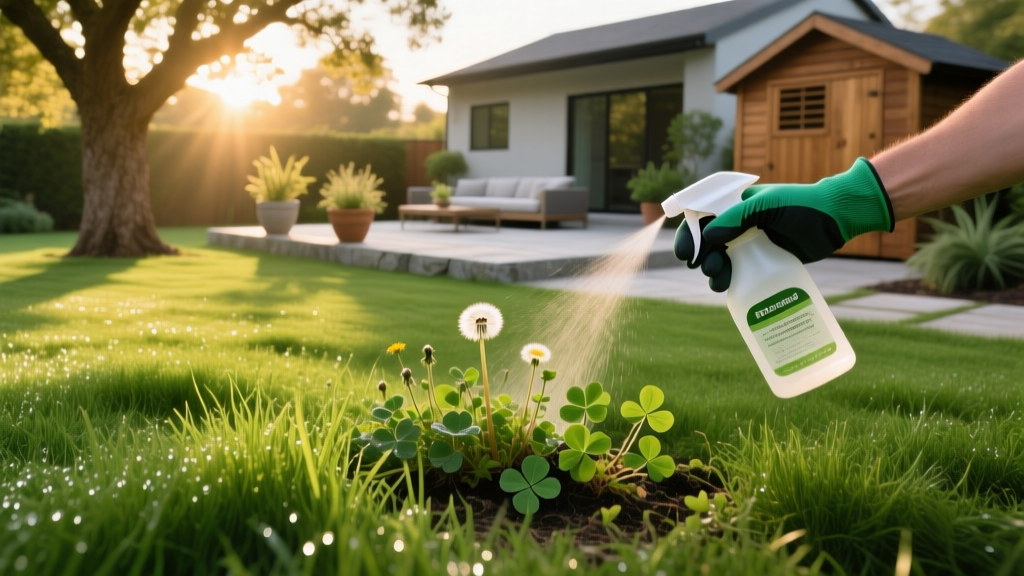
The Best Natural Remedy to Kill Weeds Without Harming Your Lawn
The Mechanics of Organic Weed Eradication
Synthetic herbicides like glyphosate and 2,4-D rely on systemic action, traveling through the plant's vascular system to kill the root. While effective, they disrupt soil microbiomes and carry runoff risks. When seeking a natural remedy to kill weeds, you must understand that organic alternatives operate primarily through two distinct mechanisms: contact desiccation (burning the foliage) and pre-emergent root inhibition. Because natural post-emergents are non-systemic, they will not kill the deep taproots of mature perennials like dandelions or bindweed in a single application. Success requires a strategic combination of contact burn-downs for visible weeds and pre-emergent barriers to stop future germination.
Top Post-Emergent Natural Remedies to Kill Weeds
For weeds that have already broken the soil surface, contact herbicides derived from natural acids and oils are your most effective tools. These compounds strip the waxy cuticle from the leaf surface, causing rapid cellular dehydration.
Horticultural Vinegar (20% to 30% Acetic Acid)
Standard 5% culinary vinegar lacks the acidity to burn through the protective cuticle of mature broadleaf weeds. Horticultural vinegar, formulated at 20% to 30% acetic acid, drops the pH low enough to cause immediate cellular collapse. In 2026, commercial 20% acetic acid solutions typically cost between $35 and $50 per gallon. It is highly effective on young annual weeds (under 3 inches tall) but requires repeated applications for established perennials. Because it is non-selective, it will burn your turfgrass if oversprayed, making a shielded sprayer nozzle essential.
D-Limonene (Citrus Oil Extracts)
Extracted from citrus rinds, d-limonene acts as a powerful solvent that dissolves the epicuticular wax on weed leaves. Products utilizing d-limonene as the primary active ingredient emulsify easily in water and leave a natural citrus scent. They are particularly effective against tough, waxy-leaved weeds like plantain and chickweed. Expect to pay roughly $45 to $60 for a 2.5-gallon concentrate.
Pelargonic Acid (Fatty Acids)
Pelargonic acid is a naturally occurring fatty acid found in plants like geraniums. It acts faster than acetic acid, often showing visible wilting within 15 minutes of application on a sunny day. It is an excellent natural remedy to kill weeds in cool weather when vinegar efficacy drops, as fatty acids remain highly active at temperatures as low as 40°F.
| Active Ingredient | Cost per Gallon (Conc.) | Speed of Action | Best Target Weeds | Temperature Requirement |
|---|---|---|---|---|
| Acetic Acid (20-30%) | $35 - $50 | 2 to 4 hours | Young annuals, crabgrass | Above 65°F for best results |
| D-Limonene (Citrus Oil) | $45 - $60 | 1 to 3 hours | Waxy broadleaves, plantain | Above 55°F |
| Pelargonic Acid | $55 - $75 | 15 to 30 minutes | Tender annuals, seedlings | Effective down to 40°F |
Pre-Emergent Control: Corn Gluten Meal (CGM)
Killing existing weeds is only half the battle. To prevent weed seeds from germinating, Corn Gluten Meal (CGM) is the premier organic pre-emergent. Originally patented by Iowa State University researchers, CGM is a byproduct of corn milling that contains roughly 10% slow-release nitrogen, feeding your lawn while inhibiting weed seeds.
How CGM Works and Application Rules
CGM does not kill existing weeds. It works by inhibiting root formation during the germination phase. The seed will sprout a shoot, but the root will fail to develop, causing the seedling to die. To use CGM effectively, you must follow strict application parameters:
- Application Rate: Exactly 20 pounds per 1,000 square feet. Lower rates will only fertilize the weeds without inhibiting germination.
- Timing: Apply when soil temperatures (measured at a 2-inch depth with a soil thermometer) consistently reach 50°F to 55°F. This typically aligns with the blooming of forsythia bushes in early spring.
- Watering: Water the lawn lightly immediately after application to activate the proteins, then allow the soil surface to dry out completely for the next 5 to 7 days. Moisture is required to trigger weed seed germination, but subsequent drying kills the rootless seedlings.
According to the University of Minnesota Extension, consistent annual use of CGM can reduce weed populations by up to 60% in the first year and over 80% by the third year as the soil's weed seed bank depletes.
The Danger of DIY Kitchen Remedies: Salt and Boiling Water
Many online forums recommend using table salt (sodium chloride) or boiling water as a cheap natural remedy to kill weeds. While boiling water is effective for weeds growing in driveway cracks, it is entirely impractical for lawn use and will instantly cook your turfgrass roots.
Warning: The Soil Salinization Risk
Never apply salt to your lawn or garden beds. Sodium destroys soil structure by causing clay particles to disperse, leading to severe compaction and zero water infiltration. Furthermore, salt creates osmotic stress that prevents any future grass or plants from absorbing water, effectively sterilizing the soil for years. The EPA classifies many synthetic salts as hazardous to soil biology; always stick to carbon-based organic compounds.
Step-by-Step Application Protocol for Liquid Natural Herbicides
To maximize the efficacy of liquid natural remedies like horticultural vinegar or d-limonene, you must optimize the application environment. Follow this protocol to ensure the active ingredients penetrate the weed's defenses.
- Check the Forecast: Apply only when no rain is forecasted for at least 24 hours. Ensure the temperature is above 65°F and the sun is shining, as UV radiation and heat accelerate the desiccation process.
- Add a Natural Surfactant: Natural herbicides bead up and roll off waxy leaves. Add 1 teaspoon of a non-ionic organic surfactant (such as yucca extract or pure castile soap) per gallon of herbicide. This breaks the surface tension, allowing the acid to coat the entire leaf surface.
- Use a Shielded Nozzle: Attach a spray shield or a bell nozzle to your pump sprayer. This prevents drift from landing on your desirable turfgrass, which is highly susceptible to acid burn.
- Spray to the Point of Drip: Coat the weed leaves thoroughly until the liquid is just about to drip off. Do not soak the soil, as acetic acid breaks down rapidly in the soil microbiome and provides no residual root control.
- Re-treat Perennials: For deep-rooted weeds like dandelions, the top growth will die back in 48 hours, but the root will attempt to send up new shoots. Monitor the area and re-spray new growth immediately to exhaust the root's energy reserves.
Frequently Asked Questions
Will horticultural vinegar change my soil pH?
No. Acetic acid breaks down rapidly in the soil, usually within 48 to 72 hours, metabolized by soil bacteria into water and carbon dioxide. It does not have a lasting impact on soil pH or long-term turf health, which is why it is listed on the EPA's Minimum Risk Pesticide Ingredients list.
Can I mix vinegar and citrus oil together?
Yes, combining 20% acetic acid with a d-limonene extract creates a highly potent, dual-action contact herbicide. The citrus oil strips the waxy cuticle, allowing the acetic acid to penetrate the plant tissue much faster. However, this mixture is strictly non-selective and will severely burn any turfgrass it contacts.
Is corn gluten meal safe for pets?
Yes, CGM is a natural, non-toxic protein source. In fact, it is commonly used as an ingredient in commercial pet foods. Dogs and cats can safely walk on the lawn immediately after application and watering.

