
Lawn Care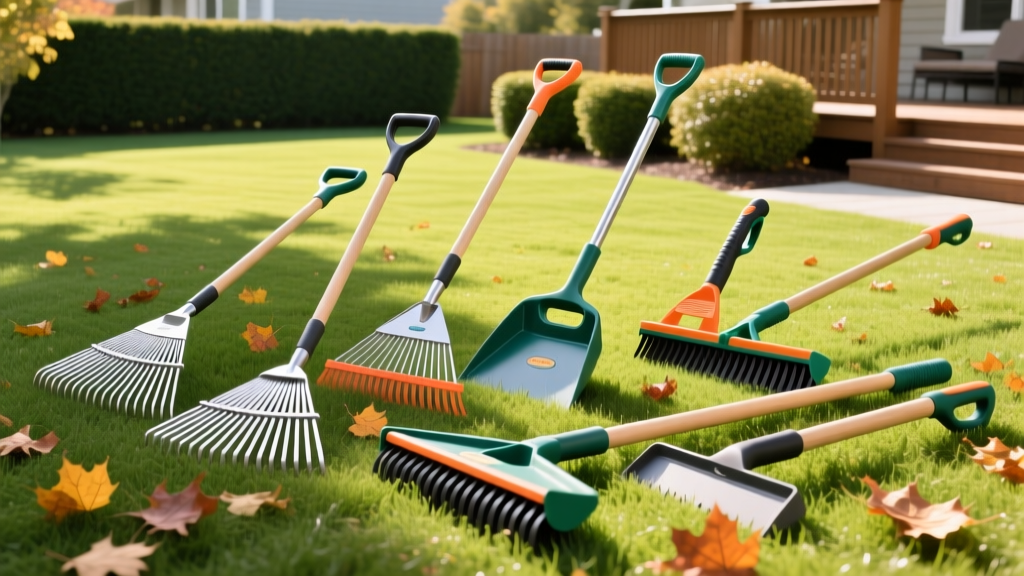
Best Rakes for Leaves 2026: Beginner's Buyer Guide & Cleanup Tips
Leaves look picturesque as they fall, but leaving them on your turf is one of the fastest ways to kill a healthy lawn. A thick layer of foliage blocks crucial autumn sunlight, traps excess moisture, and creates an ideal breeding ground for snow mold and crown rot during winter dormancy. For beginners tackling their first major fall cleanup, selecting the right tool is just as critical as the raking technique itself. Using a poorly designed rake leads to blisters, lower back strain, and damaged grass crowns.
This guide breaks down the exact specifications, materials, and ergonomic features you need to find the best rakes for leaves in 2026, alongside professional cleanup strategies that protect your turf and save your joints.
Decoding Rake Materials: Poly, Metal, and Bamboo
The fan head (the business end of the rake) is typically constructed from one of three materials. Each behaves differently depending on leaf moisture, turf type, and temperature. Cheap metal rakes from the 1990s have largely been replaced by advanced resin polymers, but steel still holds a specific niche.
| Material | Durability & Flex | Weight | Best Use Case | Avg. Price (2026) |
|---|---|---|---|---|
| Poly (Resin) | High flex, won't rust or bend permanently | Light (1.5 - 2 lbs) | Dry to slightly damp leaves on delicate cool-season grasses | $18 - $28 |
| Steel (Metal) | Stiff, durable, prone to rust if uncoated | Heavy (2.5 - 3.5 lbs) | Heavy, wet, matted leaves; scraping compacted debris | $25 - $45 |
| Bamboo | Moderate flex, biodegradable, can splinter | Ultra-light (1 - 1.5 lbs) | Light, dry leaves on flat, even lawns | $15 - $22 |
Expert Verdict: For 90% of homeowners, a 24-inch to 30-inch poly resin rake is the optimal choice. Poly tines glide over the soil without scalping the grass crowns, and the material remains flexible even in freezing November temperatures, unlike cheaper plastics that become brittle and snap.
Critical Dimensions and Ergonomic Features
When shopping for rakes for leaves, ignore marketing fluff and look strictly at the physical dimensions. A rake that is too narrow triples your workload; a rake that is too wide becomes unwieldy when full of heavy, wet oak leaves.
- Tine Fan Width: Aim for 24 to 30 inches. The Fiskars 24-inch Leaf Rake is ideal for navigating around garden beds, while the True Temper 30-inch Poly Rake covers maximum open turf.
- Handle Length: Standard handles are 54 inches, but if you are over 5'8", upgrade to a 60-inch handle. This prevents the repetitive stooping that causes lumbar fatigue.
- Handle Material: Avoid solid wood (which warps and rots) and thin aluminum (which dents). Fiberglass handles, like those on the Bully Tools 56-inch Fiberglass Leaf Rake ($38), offer the best strength-to-weight ratio and absorb shock.
- Grip Type: A cushioned D-grip at the top of the handle allows you to pull the rake using your forearm and shoulder muscles rather than straining your wrist flexors.
The 'Grid and Scoop' Raking Technique
Beginners often make the mistake of raking leaves into one massive pile in the center of the yard, dragging heavy debris across the grass and tearing up the turf. Professional landscapers use a systematic approach to minimize turf damage and physical strain.
⚠️ Warning: The Bare Soil Mistake
Never press the rake tines hard into the soil. Raking aggressively down to the bare dirt will rip out dormant grass crowns and stolons, leaving your lawn vulnerable to winter weeds and erosion. Let the tines skim the surface of the grass.
- Check the Moisture: Rake when leaves are dry or only slightly damp. Fully saturated leaves can weigh up to three times their dry weight, making them stick to the grass and clump on the rake tines.
- Grid the Lawn: Mentally divide your lawn into 15x15 foot squares. Work on one square at a time, raking the leaves toward the perimeter or a central collection path, rather than dragging them the entire length of the yard.
- The Pull-and-Scoop: Use short, controlled pulls. Once you have a windrow (a small row of leaves), slide the rake tines under the pile and lift, rather than dragging the pile across the lawn.
- Use a Tarp, Not Just Bags: Rake directly onto a 6x8 foot woven poly tarp. Once full, grab the corners and drag the tarp to your compost bin or curbside pickup zone. This eliminates the repetitive bending required to stuff leaves into paper bags.
Leaf Disposal: Mulching vs. Bagging
Before you spend hours bagging leaves for municipal pickup, consider mulching. According to University of Minnesota Extension, mulching leaves directly into the turf with a lawnmower returns vital nutrients like nitrogen and potassium to the soil, reducing the need for spring fertilizers.
If the leaf layer is less than 3/4 inch thick after mowing, mulching is highly recommended. However, if you have massive oak or sycamore trees that drop thick, leathery leaves that smother the grass even after chopping, raking and removal is mandatory. For disposal, use biodegradable kraft paper bags (which cost about $1.50 each) rather than plastic, as many municipalities now ban plastic yard waste bags in landfills.
'Leaves are not trash; they are a free, high-carbon resource for your garden. Shredded leaves make an exceptional winter mulch for perennial beds and a crucial 'brown' layer for your compost pile.' — Massachusetts Amherst Turf Program
Rake Maintenance and Off-Season Storage
A high-quality fiberglass and poly rake should last a decade, but improper storage destroys them in a single season. UV degradation is the primary enemy of poly resin tines. Leaving your rake face-down on the driveway in the sun will cause the tines to warp, curl, and eventually snap.
- Clean the Tines: Hose off mud and acidic leaf sap before storing. Sap buildup makes poly tines sticky and prone to clumping.
- Hang, Don't Lean: Store the rake vertically on a wall hook. Leaning it against a wall at an angle puts continuous pressure on the tines, causing them to bend out of their factory alignment over the winter.
- Check the Ferrule: The ferrule is the metal or plastic collar connecting the handle to the fan head. Tighten the rivet or screw annually to prevent the head from wobbling during heavy use.
Frequently Asked Questions
Can I use a thatch rake or garden rake for leaves?
No. Thatch rakes feature sharp, closely spaced steel blades designed to slice into the soil and pull up dead roots. Using a thatch rake on autumn leaves will shred the foliage into tiny pieces that sink into the grass crown, while simultaneously damaging your healthy turf. Always use a dedicated fan-style leaf rake.
How often should I rake during peak leaf drop?
During peak drop (usually a 2-to-3-week window in late October to mid-November), rake every 3 to 4 days. Allowing leaves to accumulate for more than a week, especially if it rains, causes the bottom layer to mat down and suffocate the grass, leading to yellow, dead patches by early spring.
Are leaf blowers better than rakes for leaves?
Leaf blowers are faster for moving dry leaves across hardscapes and large, flat lawns, but they struggle with wet, matted leaves and do not provide the gentle 'lifting' action needed to remove debris trapped deep in thick turf canopies. For beginners with small to medium yards (under 5,000 sq ft), a wide poly rake is quieter, cheaper, and provides a better workout without the noise complaints or emissions of gas-powered blowers.

