
Lawn Care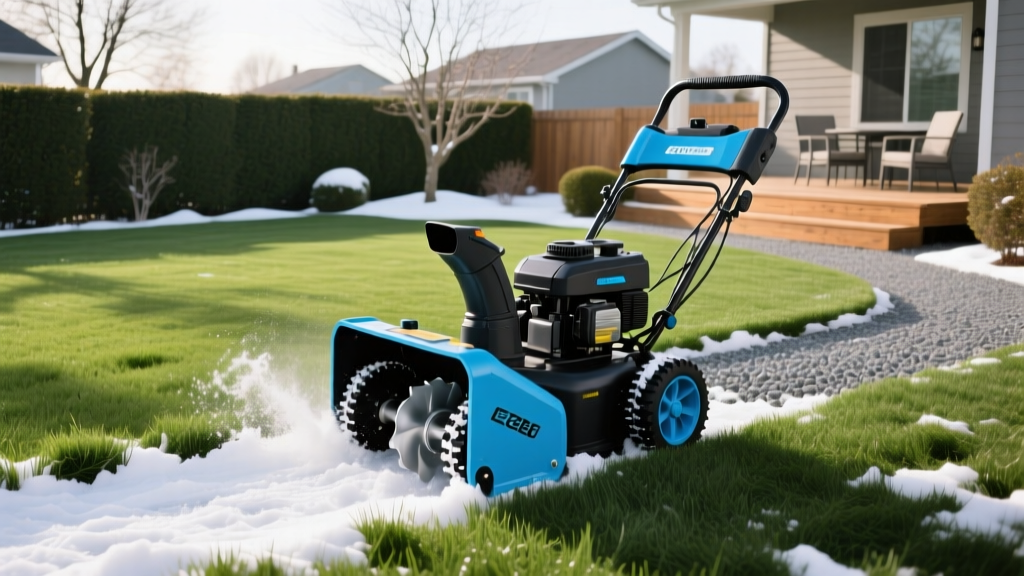
Best Single Stage Snow Blower for Turf Protection (2026)
The Mechanics of Single-Stage Snow Blowers on Turf
Unlike two-stage machines that use an elevated impeller to throw snow, a single-stage snow blower relies on a single high-speed auger to both collect and discharge snow. This auger typically spins between 400 and 600 RPM, making direct contact with the ground to scrape down to the pavement. While this design provides superior pavement clearing, it poses a severe threat to dormant winter lawns. According to the University of Minnesota Extension Winter Lawn Care guidelines, cool-season grasses like Kentucky Bluegrass and fine fescues remain biologically active at the crown level even during dormancy. If a single-stage blower's scraper bar is set flush to the ground, the rubber paddles will rip out the crowns and rhizomes, causing permanent winter kill and bare patches in the spring.
To use a single-stage blower safely on turf or uneven gravel, the machine must feature adjustable skid shoes. By lowering the skid shoes, you elevate the scraper bar and auger by 0.25 to 0.5 inches, allowing the machine to glide over the grass canopy or gravel base without mechanical tearing. When evaluating the best single stage snow blower options for 2026, we prioritized models with robust skid shoe adjustments, durable rubber paddle compounds, and accessible shear pin mechanisms.
Top Turf-Safe Single-Stage Snow Blowers for 2026
1. EGO Power+ SNT2114 21-Inch Cordless
The EGO SNT2114 dominates the cordless category by utilizing a 56V ARC Lithium battery system that delivers gas-equivalent torque to its rubber-edged auger. Priced at approximately $699 (tool only), it features a dual-battery port system, allowing you to run two 5.0Ah batteries simultaneously for up to 45 minutes of continuous throwing. The critical feature for lawn owners is its tool-free, quick-adjust skid shoes, which allow you to switch from a flush pavement setting to a 0.5-inch turf-clearance setting in seconds without a socket wrench. The rubber auger is forgiving on dormant grass, though the 35-foot throw distance falls slightly short of premium gas models.
2. Toro Power Clear 721 R-C (163cc Gas)
Retailing around $749, the Toro 721 R-C utilizes the brand's proprietary Power Curve technology. The deeply curved rubber paddles and inverted funnel housing create a vacuum effect that pulls snow into the auger, reducing the need for aggressive downward pressure from the operator. This reduced downward pressure is vital when clearing soft, snow-covered lawns, as it prevents the machine from sinking into the turf. The 163cc Toro OHV engine provides consistent power in sub-zero temperatures, and the heavy-duty steel skid shoes offer precise height adjustments via standard hex bolts. However, the gas engine requires seasonal winterization and fuel stabilizer if stored for more than 30 days.
3. Snow Joe SJ625E 21-Inch Electric
For budget-conscious homeowners managing light-to-moderate snowfall on small turf paths, the Snow Joe SJ625E (priced near $279) offers a compelling 15-amp electric alternative. It features a hybrid auger with four rubber paddles and a central steel blade. While the steel blade ensures excellent ice-scraping on driveways, it must be elevated via the adjustable glide-plate when transitioning to grass. The primary limitation is the 100-foot extension cord restriction and a 20-foot throw distance, but its lightweight 35-pound frame minimizes soil compaction on wet, dormant lawns.
Specification and Ground-Clearance Matrix
| Model | Power Source | Auger Material | Max Throw Distance | Turf-Safe Skid Shoes | Est. Price (2026) |
|---|---|---|---|---|---|
| EGO SNT2114 | 56V Cordless (Dual) | 100% Rubber | 35 ft | Yes (Tool-Free) | $699 |
| Toro 721 R-C | 163cc Gas OHV | Rubber / Steel Core | 40 ft | Yes (Bolted) | $749 |
| Snow Joe SJ625E | 15-Amp Corded | Rubber / Steel Blade | 20 ft | Yes (Glide-Plate) | $279 |
Warning: Gravel Driveway Operations
According to Consumer Reports Snow Blower Buying Guide, standard single-stage blowers are generally not recommended for gravel driveways. Even with skid shoes elevated to the maximum 0.5-inch clearance, the high-speed auger can ingest small stones and project them at dangerous velocities. If you must clear gravel, ensure your skid shoes are set to the absolute highest notch and replace worn rubber paddles immediately, as exposed metal cores will aggressively scoop gravel.
According to Consumer Reports Snow Blower Buying Guide, standard single-stage blowers are generally not recommended for gravel driveways. Even with skid shoes elevated to the maximum 0.5-inch clearance, the high-speed auger can ingest small stones and project them at dangerous velocities. If you must clear gravel, ensure your skid shoes are set to the absolute highest notch and replace worn rubber paddles immediately, as exposed metal cores will aggressively scoop gravel.
Equipment Maintenance: Shear Pins, Belts, and Scraper Bars
Proper maintenance of a single-stage blower extends beyond engine or battery care; it requires strict attention to the mechanical interfaces that protect both the machine and your landscape.
Shear Pin Metallurgy and Replacement
The shear pin connects the auger to the drive shaft and is designed to snap if the auger strikes a solid object (like a hidden landscaping timber or frozen sod clump). Never replace a brass or aluminum shear pin with a hardened steel bolt. A steel bolt will transfer the shock load directly into the gearbox, resulting in catastrophic gear stripping that costs upwards of $200 to repair. Always keep OEM brass shear pins (typically 3/16-inch or 1/4-inch diameter) in your winter kit. If you clear turf paths with hidden irrigation heads, inspect the shear pin after every use for micro-fractures.
Auger Belt Tension and Deflection
Single-stage blowers use a V-belt to transfer power from the engine or motor to the auger. Over time, this belt stretches. To check tension, press your thumb against the center of the belt span between the pulleys. The deflection should be exactly 0.5 inches (1/2 inch). If it deflects more than 0.75 inches, the auger will slip under heavy, wet snow loads, causing the rubber paddles to stall and burn against the pavement or turf. Adjust the idler pulley tensioner or replace the belt if glazing is visible on the rubber ribs.
Scraper Bar and Skid Shoe Wear
The scraper bar is the thin metal strip located directly behind the auger. On pavement, it wears down evenly. On turf or uneven ground, it can develop scalloped grooves. If the scraper bar wears down to the point where the auger housing makes contact with the ground, you will severely damage your lawn. Measure the scraper bar thickness annually; if it is thinner than 1/8 inch, unbolt and replace it. Simultaneously, check the skid shoes. Once the wear indicator groove on the skid shoe is no longer visible, the shoe must be flipped or replaced to maintain proper ground clearance.
Operational Framework for Clearing Dormant Lawns
When clearing snow off a dormant lawn to create a winter walking path or access a detached garage, follow this operational sequence to minimize agronomic damage:
- Evaluate Snow Density: Only use a single-stage blower on turf for light, fluffy snow (less than 6 inches deep). Heavy, wet snow requires excessive downward operator force, which pushes the skid shoes into the soil and crushes the grass crowns.
- Set the Gap: Adjust skid shoes to provide a minimum 0.375-inch (3/8-inch) gap between the scraper bar and the soil surface. This allows the snow blower to ride on the frozen snow crust rather than the grass blades.
- Maintain Momentum: Walk at a steady, brisk pace. Lingering in one spot allows the high-speed auger to create a vacuum that can pull dormant grass blades out of the soil matrix.
- Avoid Wet Edges: Never run the blower over the lawn edges near the driveway where snowmelt creates saturated soil. The combination of heavy equipment weight and spinning augers will cause severe soil rutting and compaction, leading to anaerobic soil conditions in the spring.
Selecting the best single stage snow blower for your property requires balancing your snowfall volume with your landscape's vulnerability. By prioritizing models with intuitive skid shoe adjustments and adhering to strict shear pin and belt maintenance protocols, you can maintain clear winter access without sacrificing the health of your spring turf.

