
Lawn Care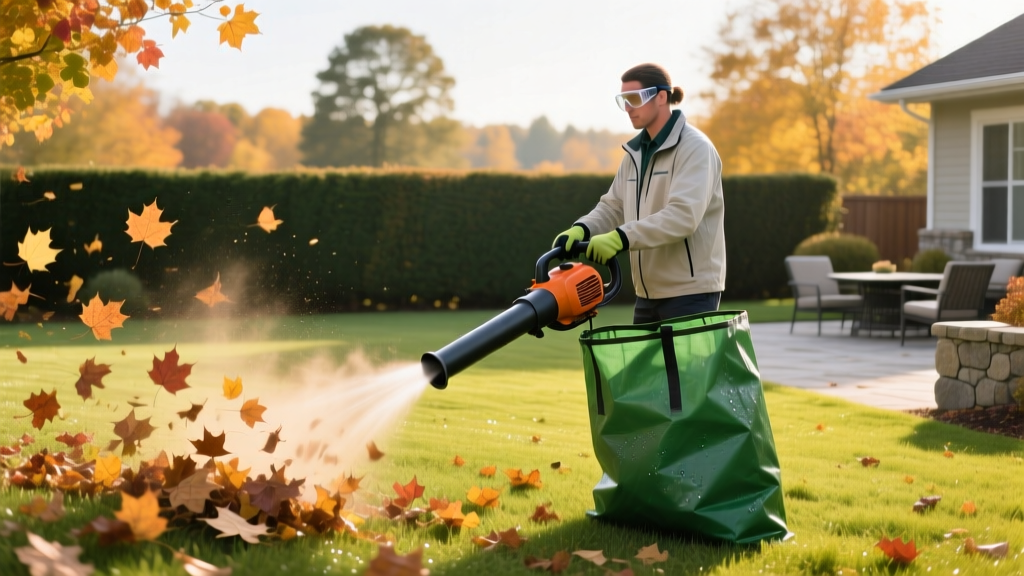
Blowing Leaves Off Lawns: The Ultimate Step-by-Step Cleanup Guide
The Physics of Airflow: CFM vs. MPH
Most homeowners approach fall cleanup by purchasing a leaf blower with the highest MPH (Miles Per Hour) rating, assuming faster airspeed equals better performance. This is a fundamental misunderstanding of fluid dynamics in landscaping. When blowing leaves, CFM (Cubic Feet per Minute) dictates the volume of air moving the mass of the leaf pile, while MPH dictates the speed at which the air exits the nozzle.
High MPH with low CFM (common in cheap cordless models) creates a narrow, high-velocity stream that simply blows holes through leaf piles and scatters debris into neighboring garden beds. High CFM creates a wide, powerful wall of air that rolls heavy, wet leaves along the turf without stripping the grass crowns. For effective lawn cleanup, prioritize a blower with a minimum of 400 CFM. For heavy, wet oak or sycamore leaves, aim for 600+ CFM.
2026 Equipment Benchmark: The EGO Power+ LB6504 (615 CFM, 180 MPH, approx. $199) remains the gold standard for residential cordless blowers, providing the high-volume airflow necessary for damp leaves. For commercial or large-acreage properties, the Husqvarna 125B gas blower (760 CFM, 170 MPH, approx. $219) offers the sustained torque needed for continuous heavy-duty clearing.
The Perimeter-to-Center Grid Method
Randomly walking around the yard blowing leaves in different directions is the primary cause of extended cleanup times and scattered debris. Professional landscapers use a systematic grid approach that cuts cleanup time by up to 40%.
- Establish the Perimeter Trench: Start by blowing a 3-foot wide clear path around the entire perimeter of the lawn, pushing leaves inward toward the center. This creates a buffer zone that prevents leaves from blowing into mulch beds, fences, or hardscapes during the main clearing phase.
- Divide the Lawn into 10-Foot Swaths: Mentally divide the remaining lawn into 10-foot wide horizontal grids. Stand at one end of the first swath.
- Execute the "C-Sweep": Hold the blower nozzle at a 15-degree downward angle. Sweep the nozzle in a wide, continuous "C" motion from left to right, walking steadily forward. This rolling motion keeps the leaf pile cohesive rather than breaking it apart.
- Consolidate to the Center: As you finish each swath, push the accumulated leaves into a single, centralized windrow in the middle of the lawn.
- Final Pile Formation: Once all swaths are cleared, move to the central windrow and blow the leaves into tight, conical piles for easy tarping or bagging.
Moisture Content and Timing Strategies
The moisture content of fallen leaves dictates your entire strategy. Attempting to blow saturated leaves with a standard residential blower will result in turf damage and severe frustration. Use the following matrix to determine your approach based on current weather conditions.
| Moisture Level | Visual Indicator | Equipment Requirement | Action Strategy |
|---|---|---|---|
| Dry (<15%) | Crisp, brittle, easily crushed | Standard Cordless (300+ CFM) | Blow at mid-day. Use high MPH to cover large areas quickly. |
| Damp (15-30%) | Pliable, slightly heavy, morning dew | High-Volume Cordless/Gas (500+ CFM) | Wait until 11:00 AM. Use the C-Sweep method; keep nozzle close to turf. |
| Wet (>30%) | Matted, dark, clumped to soil | Commercial Gas Backpack (800+ CFM) | Do not blow. Wait 48 hours for drying, or use a heavy-duty lawn vacuum/rake. |
Protecting Turf Crowns and Hardscapes
The most common mistake amateur landscapers make is pointing the blower nozzle directly at the ground (a 0-degree or negative angle). This high-velocity blast strips away the turf canopy and exposes the crown—the vital growing point of the grass plant located at the soil line.
- Cool-Season Grasses (Tall Fescue, Kentucky Bluegrass): In late fall, these grasses are actively storing carbohydrates in their crowns for winter survival. Stripping the crown with a blower leads to winter desiccation and thin spring emergence. Always maintain a 15-degree downward angle and keep the nozzle tip at least 2 to 3 inches above the turf canopy.
- Warm-Season Grasses (Bermuda, Zoysia): While these grasses are entering dormancy and are less susceptible to crown damage, blasting them at a flat angle will blow topsoil and exposed stolons across the yard, creating a dust bowl effect.
- Hardscape Edging: When blowing near concrete driveways or paver patios, angle the nozzle slightly upward (5 degrees) as you approach the edge. This lifts the leaves over the hardscape rather than grinding them into the concrete pores, which causes stubborn tannin stains.
"A leaf blower is a precision tool, not a broom. If you are blowing dirt along with your leaves, your nozzle angle is too steep and your airspeed is too high for the volume of debris you are moving."
— Dr. Grady Miller, Turfgrass Specialist, NC State University
The 20% Canopy Rule: When to Mulch Instead
Complete leaf removal is not always necessary or beneficial for lawn health. According to research published by the University of Minnesota Extension, returning finely chopped leaf mulch to the soil provides essential organic matter, improves soil moisture retention, and suppresses winter annual weeds like annual bluegrass (Poa annua).
However, leaving too many leaves will smother the turf, blocking sunlight and trapping moisture that breeds snow mold (Microdochium nivale). To determine whether you should blow the leaves off entirely or simply mulch them with your mower, apply the 20% Canopy Rule:
Stand in the center of your lawn and look down. If you can clearly see 80% of the green grass blades (meaning leaves cover 20% or less of the surface area), do not use the blower. Instead, attach a mulching blade to your mower and run over the lawn twice. The mower will shred the leaves into dime-sized pieces that will rapidly decompose into the soil profile. If leaf coverage exceeds 20%, you must use the blower to remove the excess before mulching the remainder.
For detailed regional timelines on when to cease mowing and begin final fall cleanup, consult your local agricultural resources, such as the Texas A&M AgriLife Extension, which provides excellent turf-specific dormancy schedules.
Frequently Asked Questions
Should I blow leaves off before or after it rains?
Always before. Once leaves absorb rainwater, their weight increases by up to 300%, and they mat tightly to the grass blades. Blowing wet leaves requires commercial-grade equipment and significantly increases the risk of tearing the turf canopy.
How do I prevent leaves from blowing back into my freshly cleared garden beds?
Utilize the "Perimeter Trench" method outlined above. By clearing a 3-foot buffer zone inside the lawn boundary first, you create a dead zone. When you blow the main lawn toward the center, any stray leaves that escape the airflow will land in the clear trench rather than crossing over into the mulch beds.
Is it better to bag leaves or blow them into the woods?
Blowing leaves into natural wooded areas disrupts the local ecosystem by altering soil pH and smothering native understory plants. The most ecologically sound method is to blow leaves into a centralized pile on a tarp, drag them to a designated composting area on your property, or use your municipality's curbside yard waste pickup service.

