
Lawn Care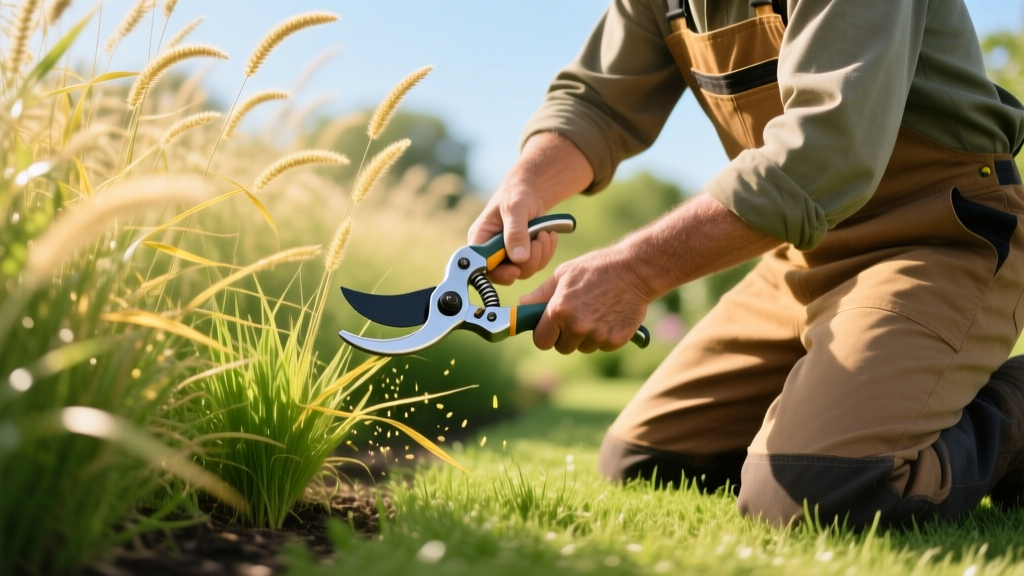
Cutting Back Ornamental Grasses: Timing and Tools for Beginners
Ornamental grasses bring unmatched texture, movement, and winter interest to landscape beds. However, knowing exactly when and how to perform the annual cutback is the most common hurdle for new gardeners. Cut too early, and you rob your garden of winter structure and expose the plant crown to freeze-thaw damage. Cut too late, and you risk severing fragile new spring shoots. This guide breaks down the precise timing, ecological considerations, and professional-grade tools required for cutting back ornamental grasses successfully in 2026.
The Golden Rule of Timing: Cool-Season vs. Warm-Season
The single biggest mistake beginners make is treating all grasses the same. The botanical classification of your grass dictates its pruning schedule. Cool-season grasses actively grow during the mild temperatures of spring and fall, while warm-season grasses thrive in the heat of summer and go completely dormant in winter.
| Grass Classification | Common Examples | Ideal Cut Window | Target Stubble Height |
|---|---|---|---|
| Cool-Season | Blue Fescue, Karl Foerster Feather Reed, Tufted Hairgrass | Early Spring (just before new green shoots emerge) or Late Fall | 2 to 3 inches above soil |
| Warm-Season | Miscanthus, Switchgrass, Fountain Grass, Pampas Grass | Mid-to-Late Winter (February to early March, depending on hardiness zone) | 4 to 6 inches above soil |
For warm-season varieties, waiting until late winter is critical. The standing dead foliage acts as a natural insulating blanket for the plant's crown, protecting it from harsh ice and desiccating winds. According to the University of Maryland Extension, cutting warm-season grasses back in autumn leaves the hollow stems open to collect winter rain and snowmelt, which frequently leads to fatal crown rot.
The Ecological Case for Waiting
Beyond plant health, leaving your grasses standing through the depths of winter provides vital ecosystem services. Many native bee species and beneficial insects use the hollow stems of dormant grasses to overwinter.
'Leaving plant stems standing until late spring provides essential overwintering habitat for stem-nesting bees and other beneficial insects. When you do cut them back, leaving 12 to 18 inches of stubble allows these insects to emerge naturally.' — The Xerces Society for Invertebrate Conservation
While a 12-inch stubble is ideal for pollinators, it can look unkempt in formal landscape beds. A practical compromise for residential lawns is cutting down to 4 inches and piling the severed stems loosely in a hidden corner of your yard to allow any overwintering insects to emerge as temperatures warm.
Tool Selection: Matching the Blade to the Bunch
Standard garden shears will fail you the moment you encounter a mature clump of Miscanthus or Pampas grass. Ornamental grass stems (culms) are packed with silica, making them incredibly tough and highly abrasive on cutting edges. Invest in the right tools to save your hands and your time.
Small to Medium Clumps (Under 3 Feet Tall)
For smaller bunches like Blue Fescue or Prairie Dropseed, a high-quality pair of bypass hedge shears or heavy-duty loppers is sufficient. The Fiskars PowerGear2 Bypass Loppers (Model 92307935) remain a top-tier choice in 2026, retailing around $45. Their patented gear mechanism multiplies your leverage, allowing you to slice through thick, fibrous bases without wrist strain.
Large, Tough Clumps (Miscanthus, Pampas, Giant Reed)
When dealing with massive, 6-foot-tall clumps, manual cutting becomes a multi-hour chore. Professionals rely on power tools. A brushless string trimmer, such as the Makita XRU15 18V LXT (approximately $189 for the bare tool), equipped with a 0.095-inch twisted nylon line, will obliterate a large Miscanthus clump in under two minutes. For the ultra-dense, woody base of mature Pampas grass (*Cortaderia selloana*), keep a Japanese folding saw like the Silky Gomboy 210mm ($55) on hand to cut through the thickest outer culms.
⚠️ SAFETY WARNING: Pampas Grass Preparation
Pampas grass leaves feature microscopic silica serrations that act like glass shards. Never handle or cut Pampas grass with bare hands or standard cotton gloves. Wear heavy-duty leather gauntlet gloves ($25-$35), a thick canvas jacket, and safety goggles to prevent severe skin lacerations and eye injuries from snapping stems.
Pampas grass leaves feature microscopic silica serrations that act like glass shards. Never handle or cut Pampas grass with bare hands or standard cotton gloves. Wear heavy-duty leather gauntlet gloves ($25-$35), a thick canvas jacket, and safety goggles to prevent severe skin lacerations and eye injuries from snapping stems.
Step-by-Step Execution: The Bundle and Slice Method
The most efficient way to manage the massive volume of debris generated by large grasses is to bundle them before you cut. This prevents the cut stems from exploding into an unmanageable pile.
- Wrap and Tie: Wrap a sturdy bungee cord or 3mm jute twine tightly around the grass clump, about halfway up its height. Pull it taut so all the outer stems are gathered into a tight, vertical column.
- Make the Cut: Using your loppers, hedge shears, or string trimmer, cut the bundled grass about 2 to 4 inches below the tie. This ensures the bundle stays intact as you carry it away.
- Clear the Debris: Lift the bundled column and set it aside for disposal. Rake out the remaining loose thatch from the center of the crown to allow sunlight and air to reach the soil.
- Composting Reality Check: Due to their high silica and carbon content, ornamental grass stems decompose incredibly slowly. Do not put them in a standard home compost bin unless you run them through a heavy-duty wood chipper first. Otherwise, utilize your municipal yard waste pickup.
Troubleshooting Common Beginner Mistakes
- The 'Dead Dome' Effect: If you cut the grass too high (leaving 8+ inches of stubble), the dead stems will form a dense thatch dome over the crown. This blocks sunlight from reaching the new shoots, causing the center of the grass clump to die out and resulting in a hollow, ring-shaped growth pattern.
- Crown Exposure: Conversely, cutting flush with the soil exposes the crown to late-spring freezes and allows water to pool directly on the root mass. Always leave a minimum of 2 inches of stubble.
- Dulling Your Tools: If your shears are 'chewing' or tearing the stems rather than slicing cleanly, the blades are either coated in sap or dulled by silica. Wipe the blades with rubbing alcohol and sharpen them with a diamond file every 3 to 4 clumps.
Post-Cut Care and Fertilization
Once the cutback is complete and the bed is raked clean, it is time to feed the soil. Ornamental grasses are generally light feeders, but a single spring application promotes vigorous, uniform growth. Apply a balanced, slow-release granular fertilizer (such as a 10-10-10 NPK ratio) at a rate of 0.5 pounds of actual nitrogen per 1,000 square feet of bed space. Water the bed deeply immediately after application to dissolve the granules and push the nutrients down to the waking root zone. Avoid high-nitrogen synthetic fertilizers, which can cause weak, floppy growth that causes tall grasses to lodge and fall over during summer storms.

