
Lawn Care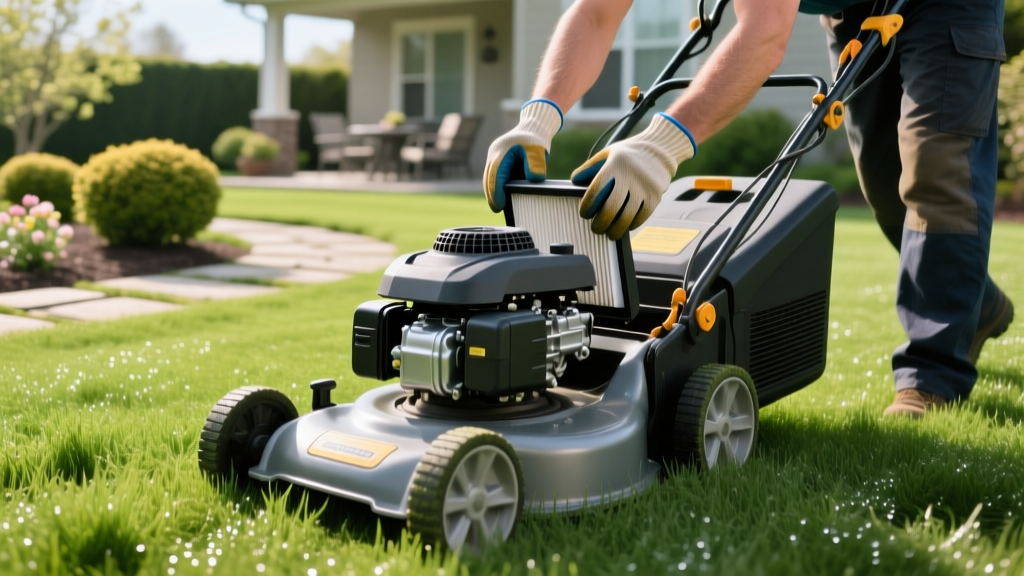
Lawn Mower Air Filter Replacement: A Step-by-Step Guide
A small engine operates in one of the most debris-heavy environments of any combustion motor. A standard 160cc walk-behind mower ingests up to 150 cubic feet of air per minute at full throttle. When the air filter becomes compromised, microscopic silica dust bypasses the intake, scoring the cylinder walls and accelerating piston ring wear. Performing a proper lawn mower air filter replacement is not just about maintaining airflow; it is the primary defense against catastrophic engine seizure and carburetor fouling.
This guide details the exact procedures, OEM part specifications, and failure modes associated with modern small-engine air filtration, moving beyond generic advice to provide actionable, workshop-level maintenance protocols.
Identifying Your Mower Air Filter Architecture
Before purchasing a replacement, you must identify the filtration medium your engine requires. Using the wrong filter type or improper sealing method will result in immediate intake leaks. Modern residential and commercial mowers typically utilize one of three architectures:
| Filter Type | Common Engine Families | Maintenance Protocol | Avg. OEM Cost (2026) |
|---|---|---|---|
| Pleated Paper | Honda GCV160/GCV200, Kawasaki FJ180V | Replace only. Never wash or oil. | $7.00 - $12.00 |
| Polyurethane Foam | Briggs & Stratton 625-725 series, Kohler XT6 | Wash in solvent, dry, and re-oil with tacky filter oil. | $4.50 - $8.50 |
| Dual-Stage (Foam + Paper) | Toro Commercial, John Deere E180 | Wash/oil outer foam; replace inner paper element. | $14.00 - $22.00 |
Warning Signs of Filter Bypass and Restriction
A restricted filter alters the stoichiometric air-fuel ratio, causing the engine to run 'rich' (too much fuel, not enough air). Conversely, a torn filter or degraded gasket causes an unmetered 'lean' condition. Watch for these specific diagnostic indicators:
- Surging RPMs at Idle: Often indicates a lean condition caused by a cracked rubber intake boot or a filter housing gasket that has flattened and lost its seal.
- Black Carbon Fouling on Spark Plugs: A classic symptom of a clogged paper filter restricting airflow, leading to incomplete combustion.
- Hard Starting When Hot: A restricted filter exacerbates vapor lock in the carburetor bowl during hot summer restarts.
Step-by-Step Lawn Mower Air Filter Replacement
Follow this exact sequence to prevent debris from entering the carburetor throat during the swap. The most common mistake homeowners make is knocking dirt into the intake while removing the old filter.
Step 1: Isolate the Ignition System
Disconnect the spark plug wire and secure it away from the plug. For riding mowers, disconnect the negative battery terminal. Never rely solely on the ignition key or kill switch, as a shorted safety switch can still allow the engine to crank.
Step 2: Decontaminate the Housing Exterior
Before unclipping the housing cover, use a shop-vac or compressed air (at low PSI) to blow away loose clippings and dust from the outside of the airbox. If you open a dusty housing, gravity and static will pull debris directly into the carburetor venturi.
Step 3: Extract and Inspect
Remove the retaining screw (commonly a 1/4-inch hex, T20 Torx, or a captive thumbscrew). Lift the old filter straight out. Immediately inspect the carburetor throat. If you see dirt accumulation around the butterfly valve, spray the throat with a dedicated carburetor cleaner and manually open the butterfly to flush the sediment before installing the new filter.
CRITICAL WARNING: The Foam Oiling Mistake
Never use standard 10W-30 motor oil or WD-40 to oil a foam filter. Motor oil lacks the necessary tackifiers and will wick away from the foam's core, leaving dry spots that pass dust. WD-40 contains solvents that will chemically degrade polyurethane foam within hours. Always use a dedicated small-engine filter oil (e.g., Briggs & Stratton Part #100069 or K&N Squeeze-Off Foam Filter Oil).
Step 4: Seat the New Element and Gasket
If your replacement filter includes a new rubber gasket, discard the old one. Press the new filter firmly into the housing, ensuring the pleats or foam edges are not pinched against the plastic lip. Reinstall the cover and tighten the retaining screw to just past hand-tight (approximately 15-20 in-lbs). Over-tightening will warp the plastic cover, creating a massive vacuum leak.
Sourcing OEM vs. Aftermarket Filters
When ordering parts, the price discrepancy between Original Equipment Manufacturer (OEM) filters and bulk aftermarket alternatives is significant, but the engineering tolerances are not identical.
'Cheap multi-pack paper filters found on e-commerce sites often use inferior adhesive to bind the pleats to the end-caps. Under the high suction of a governed engine, these pleats can collapse inward, bypassing the seal entirely. For engines operating in sandy or highly dusty conditions, always specify OEM or premium aftermarket brands like Stens or K&N.'
Common OEM Part Cross-Reference (2026):
- Honda GCV160/GCV200: 17211-ZL8-023 (Paper)
- Briggs & Stratton Intek/Quantum: 594203 (Dual-Stage) or 491588S (Paper)
- Kohler XT6/XT7: 14 083 01-S1 (Paper)
Maintenance Intervals: Time vs. Environment
Manufacturer manuals typically state a 25-hour or 'once per season' replacement interval. However, environmental variables dictate actual service life. According to Briggs & Stratton maintenance guidelines, engines operating in arid climates or near active landscaping debris (like leaf blowing or aeration) require inspection every 8 to 10 hours.
For foam filters, the re-oiling interval is strictly tied to the cleaning cycle. A foam filter should be washed in mineral spirits or a dedicated foam cleaner—never gasoline, which causes the cellular structure to dry-rot and crumble. After washing, the foam must air-dry completely for 12 hours before oil is applied; otherwise, the oil will not penetrate the inner pores.
Frequently Asked Questions
Can I run my mower without an air filter for testing?
Never. Even a 30-second test run without a filter can ingest enough silica dust to score the cylinder wall. Small engines lack the advanced cyclonic pre-cleaners found on heavy diesel machinery, making them instantly vulnerable to unfiltered air.
Why is there oil inside my paper air filter housing?
This is known as 'blow-by' or crankcase ventilation discharge. As piston rings wear, combustion gases push past the rings into the crankcase. The breather tube routes these oily vapors back into the airbox to be burned in the combustion chamber. If your paper filter is soaked in oil, it indicates severe ring wear or an overfilled crankcase. Check your oil level immediately, as overfilling is the most common cause of airbox oiling on otherwise healthy engines.
Do I need to re-jet the carburetor after installing a high-flow filter?
For standard residential mowers using OEM-specification replacements, no. The factory carburetor jetting is calibrated for the specific airflow resistance of the OEM filter. Installing an 'oiled cotton-gauze' high-flow filter on a standard governed engine can actually lean out the mixture enough to cause overheating, requiring a manual adjustment of the mixture screw or a main jet swap to compensate.

