
Lawn Care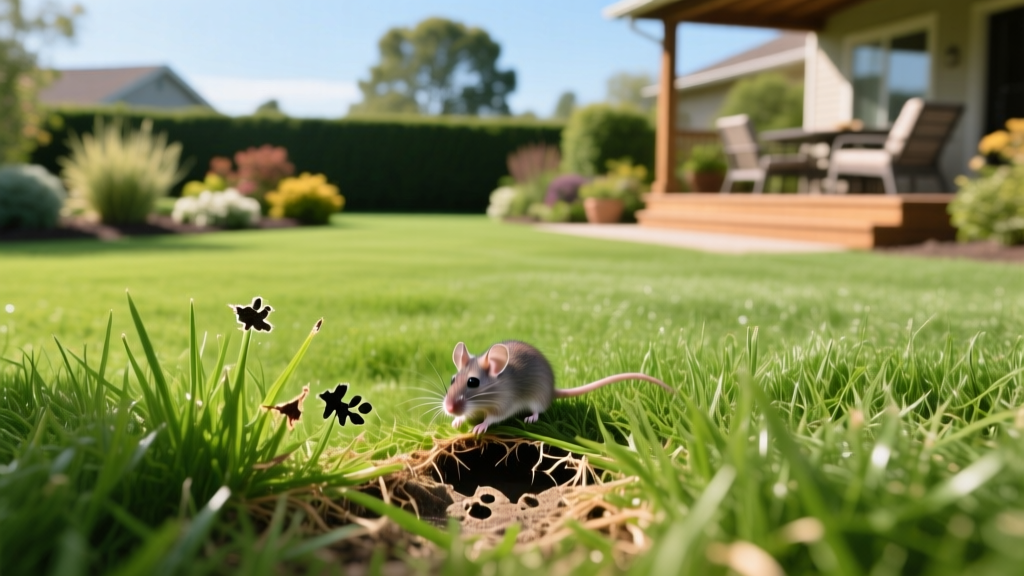
Do Mice Eat Grass? Identifying Rodent Damage and Lawn Recovery
The Biological Reality: Do Mice Actually Eat Grass?
When homeowners notice disappearing turf and ask, "do mouse eat grass," they are usually conflating two distinct rodents: mice and voles. The short answer is that true mice rarely eat mature grass blades. House mice (Mus musculus) and deer mice (Peromyscus maniculatus) are primarily granivores. Their diet consists heavily of seeds, grains, and tender new shoots. If you have recently overseeded your lawn, mice will dig up and consume the grass seed, but they will not mow down your established Kentucky bluegrass or tall fescue.
The real culprits behind severed grass blades and dying turf patches are meadow voles (Microtus pennsylvanicus). Voles are strict herbivores that consume grass blades, roots, tubers, and the cambium layer of tree bark. According to Penn State Extension, voles can cause severe economic and aesthetic damage to turfgrass, particularly during winter months when snow cover provides them with protection from aerial predators while they feed on the grass beneath.
Quick Identification Rule: If the grass blades are clipped at a 45-degree angle and you see 2-inch wide surface runways, you have voles. If you see dug-up soil around freshly sown seed but no clipped blades, you likely have mice.
Identifying Rodent Damage: Mice vs. Voles vs. Moles
Accurate identification is the prerequisite for effective eradication. Applying a mouse control strategy to a vole infestation will result in wasted time and continued turf destruction. Use the matrix below to diagnose the specific pest damaging your lawn.
| Pest | Primary Diet | Lawn Damage Signature | Burrow / Runway Size |
|---|---|---|---|
| Deer Mouse | Seeds, grains, insects | Missing grass seed; small, shallow digging holes (1 inch) | No surface runways; burrow openings ~1 inch |
| Meadow Vole | Grass blades, roots, bark | Clipped grass, yellowing turf, spongy soil from tunneling | Surface runways 1.5 to 2 inches wide; burrows ~1.5 inches |
| Eastern Mole | Earthworms, grubs, insects | Raised soil ridges, conical mounds (volcanoes) | Deep subterranean tunnels; mounds 6+ inches wide |
Step-by-Step Eradication Protocol
Once you have confirmed whether you are dealing with seed-eating mice or grass-eating voles, implement a targeted eradication strategy. Relying solely on repellents like castor oil or ultrasonic spikes is ineffective; the University of Minnesota Extension notes that population reduction through trapping and baiting is the only reliable method for severe infestations.
Phase 1: Strategic Trap Placement
For mice and voles, standard snap traps remain the most cost-effective and environmentally safe solution. The Victor M325 Easy Set Mouse Trap (approx. $4.50 each) is highly sensitive and ideal for small rodents.
- Mapping: Locate active runways by parting the grass. Look for fresh clippings and droppings (mouse droppings are pointed at both ends; vole droppings are blunt and green/brown).
- Placement Geometry: Place traps perpendicular to the runway. The trigger mechanism must face directly toward the burrow opening or the direction of travel.
- Baiting: For mice, use a pea-sized amount of peanut butter mixed with birdseed. For voles, use small pieces of apple or raw carrot, as they are less attracted to high-fat nut butters.
- Cover: Rodents are thigmotactic (they prefer touching walls). Cover the trap with a standard black plastic bait station (e.g., Tomcat Bait Station, ~$18.00) or a propped-up shoebox to increase catch rates and protect non-target wildlife.
Phase 2: Advanced Continuous Control
For large properties or chronic infestations where daily trap checking is unfeasible, invest in automated trapping technology. The Goodnature A24 Smart Trap ($129.95) uses a pressurized CO2 canister to instantly strike and reset up to 24 times per cartridge. Mount these near major burrow entrances or along retaining walls where rodents funnel their movement.
Warning on Rodenticides: Avoid using anticoagulant baits (like bromadiolone) in outdoor lawn settings. These cause secondary poisoning in owls, hawks, and domestic cats that consume the dying rodents. If baiting is necessary, use zinc phosphide-based baits in tamper-resistant stations, strictly following CDC guidelines for safe handling.
Turf Recovery and Agronomic Repair
Eradicating the rodents is only half the battle. The damaged turf requires immediate agronomic intervention to prevent weed invasion and soil erosion.
- Runway Collapse and Raking: Use a stiff-tine thatch rake to aggressively break up the matted grass and soil within the runways. This levels the ground and exposes the soil surface for seed contact.
- Topdressing: Apply a 1/4-inch layer of screened compost over the damaged areas. This improves soil biology and provides a moisture-retentive bed for germination.
- Resilient Seed Selection: Transitioning to a more resilient grass species can deter future vole damage. Turf-type tall fescue (TTTF) develops deep, extensive root systems that are harder for voles to sever compared to the shallow rhizomes of Kentucky bluegrass. We recommend cultivars like Jonathan Green Black Beauty Ultra (approx. $65 per 5lb bag), which contains endophyte-enhanced fescues that naturally resist insect and minor rodent grazing.
- Seeding Rates: Apply TTTF at a rate of 6 to 8 lbs per 1,000 square feet for bare spots. Water lightly twice daily for 14 days to ensure germination before the seed dries out.
Preventative Landscaping Tactics
To stop rodents from returning, you must alter the microclimate of your lawn to make it inhospitable. Voles and mice rely on dense cover to hide from predators.
- Thatch Management: Voles thrive in lawns with thatch layers exceeding 0.5 inches. Core aerate your lawn annually and use a dethatching mower attachment in early spring to remove the protective canopy.
- Mowing Height: Maintain your cool-season turf at a minimum height of 3 inches. While this seems counterintuitive, cutting grass too short stresses the root system, making it easier for voles to pull the entire plant from the soil.
- Physical Exclusion: When installing new garden beds or protecting vulnerable ornamental trees, bury 19-gauge, 1/4-inch galvanized hardware cloth at least 6 inches deep and extend it 12 inches above grade. Mice can squeeze through 1/2-inch gaps, and voles can easily bypass standard chicken wire.
Frequently Asked Questions
Will grass grow back after vole damage?
Grass will not regenerate if the crown and roots have been completely severed and consumed. If only the top blades were grazed and the crown remains intact in the soil, the turf will recover within 2 to 3 weeks with adequate nitrogen fertilization and water.
Do mice eat grass seed in the winter?
Yes. Deer mice remain active year-round and will forage beneath snow cover. If you dormant-seed your lawn in late fall, mice will consume a significant percentage of the seed before it can stratify and germinate in the spring. Use a light layer of straw mulch (not hay, which contains weed seeds) to hide the seed from foraging mice.

