
Lawn Care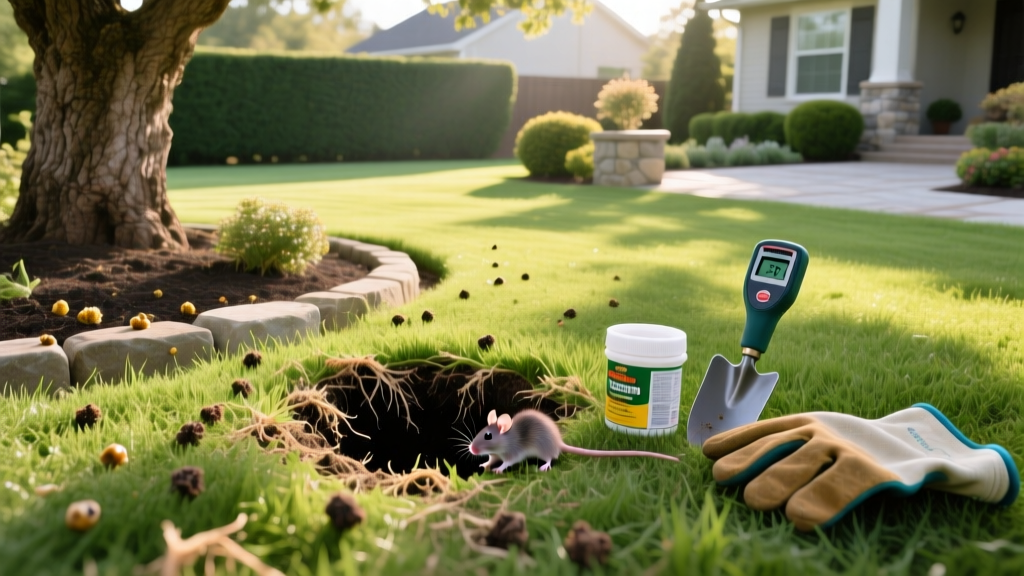
Do Rats Eat Grass? Identifying Lawn Damage and Rodent Behavior
The Short Answer: Do Rats Actually Eat Grass?
When homeowners notice patches of missing turf, exposed soil, and chewed vegetation, the immediate assumption is often that rodents are consuming the lawn. However, the direct answer to whether rats eat grass is no. Rats are not grazing animals; they lack the specialized digestive systems required to break down mature cellulose found in grass blades. Unlike rabbits or groundhogs, rats will not mow down your turf for sustenance.
Instead, rats are opportunistic omnivores. According to the National Pest Management Association (NPMA), rats primarily seek out high-calorie foods such as grains, nuts, fruits, and meat. When rats damage a lawn, they are not eating the grass itself. They are excavating the soil to build burrows, creating runways through the turf, or digging up the lawn to access grass seeds, tender root systems, or soil-dwelling insects like grubs. Understanding this distinction is critical for accurately diagnosing your lawn damage and implementing the correct pest control strategy.
Key Takeaway: Rats do not eat mature grass blades. If your grass is being eaten down to the crown, you are likely dealing with voles, rabbits, or a severe grub infestation, not rats.
Rat Damage vs. Other Lawn Pests: A Diagnostic Matrix
Misidentifying the pest causing your lawn damage leads to wasted time and ineffective treatments. Use the diagnostic matrix below to differentiate rat activity from other common turf-destroying pests.
| Pest | Primary Diet | Surface Damage | Hole / Burrow Size |
|---|---|---|---|
| Rats | Grains, seeds, roots, insects | Trampled runways, excavated soil mounds | 2 to 4 inches in diameter |
| Voles | Grass blades, roots, bark | Gnawed grass crowns, surface runways | 1 to 1.5 inches (golf ball size) |
| Moles | Earthworms, grubs, insects | Raised surface tunnels, volcano-shaped mounds | No surface holes (sealed tunnels) |
| Rabbits | Grass blades, clover, young shoots | Clean, 45-degree angled cuts on grass | None (use existing cover) |
| Grubs | Grass roots | Spongy turf, easily rolled back like a carpet | None (subsurface feeding) |
Identifying Rat Activity in Your Yard
If you suspect rats are the culprits behind your disturbed soil, look for these specific biological and environmental indicators. The University of California Statewide Integrated Pest Management Program highlights several key signs of rodent infestations in outdoor spaces:
- Burrow Entrances: Norway rats (Rattus norvegicus) are ground-dwelling and dig extensive burrow systems. Look for holes measuring 2 to 4 inches across, often located near foundations, under sheds, or beneath dense shrubbery. The soil around the entrance will be freshly excavated and fan-shaped.
- Runways: Rats are creatures of habit and travel the same paths nightly. You will notice 2- to 3-inch wide paths where the grass is heavily trampled, flattened, or completely worn away down to the bare dirt.
- Droppings: Rat feces are distinctly larger than mouse droppings. Norway rat droppings are capsule-shaped, blunt at the ends, and measure 1/2 to 3/4 of an inch long. Finding these along fence lines or near compost bins confirms active foraging.
- Gnaw Marks: While they won't gnaw on grass, rats will chew on nearby wooden fences, plastic irrigation lines, and the bark of young ornamental trees to keep their continuously growing incisors filed down.
Why Rats Are in Your Lawn (And What They Are Actually Eating)
Rats do not wander into your yard by accident; they are drawn by specific resources. If your lawn is heavily damaged by rat activity, it is highly likely that your yard is providing one of the following attractants:
- Grass Seed and Bulbs: During the spring and fall, rats will dig up newly planted grass seed, tulip bulbs, or crocus corms. They are after the starchy energy reserves inside the seed or bulb, not the green vegetation.
- Soil-Dwelling Insects: If your lawn has a high population of Japanese beetle grubs or sod webworms, rats will act as secondary predators, tearing up the turf to eat the protein-rich larvae.
- Spilled Birdseed and Pet Food: Bird feeders are the number one attractant for suburban rats. Seed hulls dropped onto the lawn provide a massive, easily accessible calorie source.
- Compost and Organic Debris: Open compost piles containing fruit rinds, vegetable scraps, or eggshells will draw rats from miles away. They will burrow into the adjacent lawn to establish nesting sites close to the food source.
Warning: Rats are vectors for over 35 diseases, including leptospirosis and hantavirus. The Centers for Disease Control and Prevention (CDC) advises wearing heavy-duty rubber gloves and an N95 respirator when cleaning up rodent droppings or filling in active burrows in your yard.
Step-by-Step Rat Deterrence and Lawn Protection
Eradicating rats requires a multi-pronged approach focused on sanitation, exclusion, and population reduction. Follow this actionable protocol to reclaim your lawn.
Step 1: Eliminate Attractants (Sanitation)
Remove all food sources. Install seed-catchers under bird feeders, or switch to hulled sunflower seeds to eliminate ground spillage. Store pet food indoors and never leave bowls outside overnight. Secure compost bins with heavy-duty, locking lids and avoid composting meat, dairy, or oily foods.
Step 2: Strategic Trapping
For outdoor use, avoid standard wooden snap traps, as moisture will warp the wood and trigger the mechanism prematurely. Instead, use weather-resistant traps like the Victor Easy Set Rat Trap or enclosed bait stations like the Tomcat Rat Bait Station. Place traps perpendicular to the runways you identified, with the trigger end facing the burrow or wall. Check traps daily and dispose of carcasses in sealed plastic bags.
Step 3: Physical Exclusion
Protect vulnerable areas of your landscape. If rats are digging under a shed or deck, trench a 12-inch deep perimeter and install 19-gauge galvanized hardware cloth with a 1/2-inch mesh. Bury the bottom 6 inches of the mesh and bend the remaining 6 inches outward at a 90-degree angle (an L-shape) to prevent them from digging underneath the barrier.
Repairing Rat-Damaged Turf
Once the rodent population is controlled, you must repair the excavated soil and trampled runways to prevent weed invasion and soil erosion.
- Fill Burrows: Do not just kick dirt over the holes. Fill active burrows with a mixture of crushed gravel and topsoil to discourage re-digging. Tamp the soil down firmly with a hand tamper.
- Topdress Runways: For trampled runways, apply a 1/4-inch layer of topdressing mix (80% screened topsoil, 20% compost). Rake it evenly into the existing grass crown.
- Overseed with Resilient Varieties: Rats prefer easily diggable soil. Overseed damaged areas with deep-rooting, wear-tolerant grasses. Tall fescue (for cool-season zones) and Zoysia grass (for warm-season zones) develop dense, fibrous root systems that make excavation significantly more difficult for burrowing rodents.
- Water and Fertilize: Keep the repaired areas consistently moist for 14-21 days to ensure seed germination. Apply a starter fertilizer with a high phosphorus content (e.g., 10-18-10) to accelerate root establishment.
Frequently Asked Questions
Will watering my lawn more keep rats away?
No. In fact, overwatering your lawn can drive earthworms and grubs closer to the surface, which may actually attract rats looking for an easy protein meal. Maintain proper, deep, and infrequent watering schedules to promote healthy grass without creating a rodent buffet.
Can I use poison bait in my yard to kill rats?
Using second-generation anticoagulant rodenticides (SGARs) outdoors is heavily restricted or banned in many jurisdictions due to the high risk of secondary poisoning to owls, hawks, and domestic pets. Always prioritize mechanical snap traps or consult a licensed pest control professional for EPA-compliant outdoor baiting solutions.
Do ultrasonic repellents work for outdoor rat control?
Independent studies consistently show that ultrasonic pest repellents are ineffective for long-term outdoor rodent control. The sound waves are easily blocked by dense grass, shrubs, and soil, and rats quickly habituate to the noise within a few days. Stick to proven methods like sanitation and trapping.

