
Lawn Care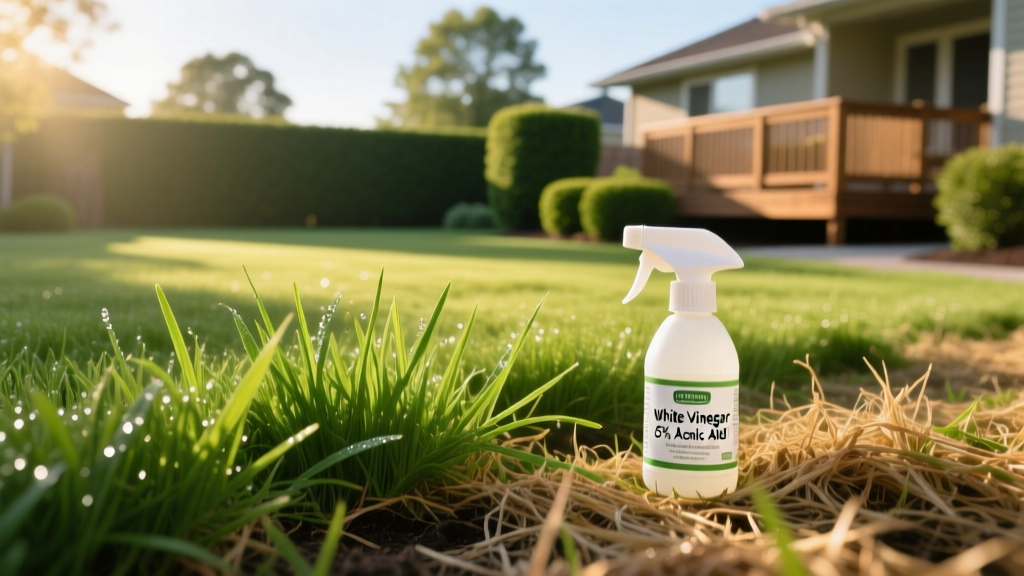
Does Vinegar Kill Grass? The Science of Acetic Acid Herbicides
The Short Answer: Yes, But It Is Non-Selective
If you are asking whether vinegar kills grass, the direct answer is yes. Vinegar is a non-selective contact herbicide, meaning it cannot distinguish between a broadleaf weed like dandelion and your prized Kentucky bluegrass or bermudagrass. When sprayed on a lawn, acetic acid (the active ingredient in vinegar) will rapidly desiccate and kill any plant tissue it touches. While often touted in online forums as a safe, natural alternative to synthetic chemicals, applying vinegar directly to your turf will result in localized dead patches, severe soil acidification, and the disruption of vital soil microbiomes.
The Chemistry of Vinegar as an Herbicide
To understand why vinegar damages turfgrass, we must look at its chemical composition. Vinegar is a dilute solution of acetic acid (CH3COOH) in water. The concentration of this acid dictates its efficacy and danger level:
- Household Vinegar (5% Acetic Acid): Derived from grain alcohol fermentation. It causes mild foliar burn on young, tender weed seedlings but rarely kills established grass or mature weeds due to its low concentration.
- Horticultural Vinegar (20% to 30% Acetic Acid): Synthesized for agricultural and industrial use. This concentration is highly caustic, capable of burning through the waxy cuticle of mature grass blades and causing rapid necrosis. Products like Green Gobbler 30% or Harris 30% typically cost between $30 and $45 per gallon.
⚠️ Safety Warning: Horticultural vinegar (20%+) is not a harmless kitchen ingredient. It is a severe eye and skin irritant that can cause permanent corneal damage and chemical burns. The EPA's FIFRA 25(b) exempt list categorizes acetic acid as a minimum-risk pesticide, but this exemption applies primarily to lower concentrations. Always wear chemical splash goggles and neoprene gloves when handling 20%+ solutions.
Cellular Desiccation: How Acetic Acid Destroys Plant Tissue
Vinegar operates strictly as a contact herbicide; it does not translocate through the plant's vascular system to the roots. When acetic acid lands on a grass blade, it penetrates the epidermal cell walls and dissociates into acetate and hydrogen ions. The sudden influx of hydrogen ions drastically lowers the intracellular pH. This acidic shock disrupts enzymatic processes and causes the cell membranes to rupture, leading to rapid loss of cellular fluids. Visually, the grass will turn brown and crisp within 2 to 4 hours of application on a sunny day.
Because the chemical action is confined to the foliage, the root system of the grass remains alive initially. However, the severe loss of photosynthetic tissue starves the roots of carbohydrates, eventually leading to total plant death if the application was heavy enough or repeated.
The Hidden Cost: Vinegar's Impact on Soil Health
The most significant drawback of using vinegar for lawn weed control is its collateral damage to soil chemistry. Grass thrives in a soil pH range of 6.0 to 7.0. Drenching the soil with acetic acid causes an immediate, albeit sometimes temporary, drop in soil pH, locking up essential macronutrients like phosphorus, potassium, and magnesium.
| Application Rate (20% Vinegar) | Estimated Soil pH Drop | Microbial Impact | Recovery Time |
|---|---|---|---|
| Light misting (foliar only) | 0.1 - 0.2 units | Minimal surface disruption | 1 - 2 weeks |
| Heavy saturation (1 gal / 100 sq ft) | 0.5 - 1.0 units | Severe die-off of mycorrhizal fungi | 2 - 4 months |
| Repeated weekly applications | 1.5+ units (Highly acidic) | Total collapse of nitrogen-fixing bacteria | 6+ months (requires amendment) |
According to soil management guidelines from the University of California Integrated Pest Management program, maintaining optimal soil pH is critical for turfgrass nutrient uptake. Repeated vinegar applications create a hostile environment where grass seed struggles to germinate, leaving bare soil vulnerable to invasive weeds like crabgrass and nutsedge, which are more tolerant of acidic conditions.
Vinegar vs. Commercial Herbicides: Efficacy Matrix
Homeowners often turn to vinegar to avoid synthetic chemicals, but it is vital to compare its actual performance against targeted commercial alternatives.
| Herbicide Type | Selectivity | Root Kill? | Soil Residual | Cost per 1,000 sq ft |
|---|---|---|---|---|
| Horticultural Vinegar (20%) | Non-Selective | No (Contact only) | Acidifies soil | $4.00 - $6.00 |
| 2,4-D Amine (Broadleaf) | Selective (Safe for grass) | Yes (Systemic) | Breaks down in 1-2 weeks | $0.50 - $1.00 |
| Glyphosate (41%) | Non-Selective | Yes (Systemic) | Binds tightly to soil (inert) | $1.50 - $2.50 |
| Glufosinate (Finale) | Non-Selective | No (Contact only) | Degrades rapidly in soil | $3.00 - $5.00 |
When to Actually Use Vinegar on Your Property
Vinegar is an excellent tool for hardscape weed management, provided it is kept strictly off the turfgrass. It is highly effective for eliminating weeds growing in driveway cracks, patio paver joints, and gravel pathways where soil pH disruption is irrelevant.
Step-by-Step Patio and Driveway Weed Eradication
- Timing is Critical: Apply only on a dry, sunny day when temperatures exceed 70°F (21°C). UV radiation and heat accelerate the desiccation process. Do not apply if rain is forecast within 24 hours.
- Mix the Solution: Combine 1 gallon of 20% horticultural vinegar with 1 ounce of liquid dish soap or a dedicated non-ionic surfactant (like Southern Ag Surfactant). The surfactant breaks the surface tension of the water, allowing the acid to spread evenly across the waxy weed leaves rather than beading up and rolling off.
- Targeted Application: Use a pump sprayer with a narrow cone nozzle or a shielded spray attachment to prevent wind drift onto adjacent lawn edges.
- Follow-Up: Inspect the area 48 hours later. Any perennial weeds (like bindweed or thistle) that show signs of regrowth from the root crown will require a second targeted spot-treatment.
Recovery Protocol: Fixing Grass Damaged by Vinegar
If you have accidentally oversprayed your lawn or inherited a property where the previous owner heavily used vinegar, you must neutralize the soil before attempting to reseed. A common internet myth suggests using baking soda (sodium bicarbonate) to neutralize the acid. Do not do this. Adding sodium to your soil causes flocculation, destroying soil structure, preventing water infiltration, and creating a hardpan crust.
Instead, use Calcitic Lime (Calcium Carbonate). Calcium buffers the soil acidity while improving soil tilth. Apply pelletized calcitic lime at a rate of 5 to 10 lbs per 100 square feet of damaged area. Water the area deeply to help the lime dissolve and integrate into the topsoil. Wait 3 to 4 weeks, then conduct a soil pH test. Once the pH returns to the 6.0–6.5 range, topdress with 1/4 inch of compost and overseed with a grass blend matching your existing turf.
Frequently Asked Questions
Will grass grow back after a single vinegar application?
It depends on the grass species and the concentration used. Warm-season grasses with aggressive rhizomes, like Zoysia or Bermuda, will often recover from a single 5% household vinegar application because their deep root systems store enough energy to push out new shoots. Cool-season bunchgrasses like Tall Fescue or Ryegrass are more likely to suffer permanent crown damage and die out completely if saturated with 20% horticultural vinegar.
Does adding salt to vinegar make it a better weed killer?
While mixing table salt (sodium chloride) with vinegar will desiccate weeds faster, it is highly destructive to soil health. Salt accumulates in the soil, creating a toxic environment that prevents any future plant growth, including desired grass, and can leach into groundwater. This practice should be strictly avoided in any area where you intend to grow plants in the future.
Can I use apple cider vinegar instead of white vinegar?
Apple cider vinegar contains the same active ingredient (acetic acid) but typically at a slightly lower or equal concentration to standard white vinegar (around 5%). It is more expensive and no more effective at killing weeds. The color and trace minerals in apple cider vinegar offer no agronomic advantage for weed control.

