
Lawn Care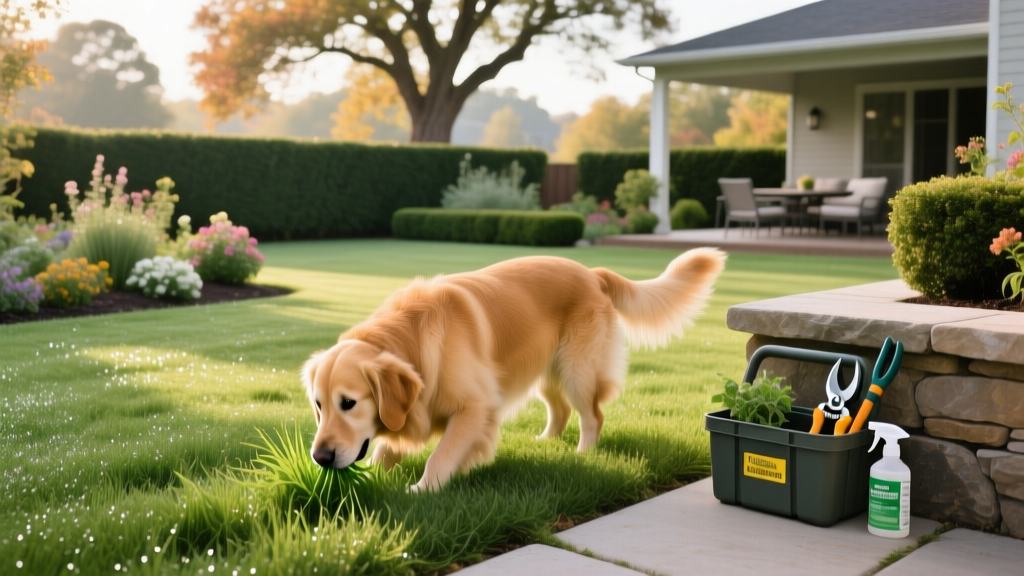
Should I Let My Dog Eat Grass? Lawn Safety & Turf Guide
The Veterinary Reality: Why Dogs Graze on Turf
The question of whether you should let your dog eat grass bridges veterinary science and lawn management. According to the American Kennel Club, less than 25% of dogs that eat grass actually vomit afterward, debunking the myth that grazing is strictly a self-induced emetic behavior. Dogs typically consume turf for three reasons: dietary fiber supplementation, ancestral foraging instincts, or simple boredom. From a purely biological standpoint, untreated grass is non-toxic and provides trace amounts of pantothenic acid and niacin. However, from a lawn care perspective, the safety of this behavior depends entirely on your turf management practices, chemical applications, and the specific grass species cultivated in your yard.
⚠️ The 72-Hour Grazing Rule: If you must apply synthetic lawn treatments, enforce a strict 72-hour exclusion zone for grazing dogs. While walking on treated grass might be safe once dry, ingesting the grass blades concentrates chemical exposure directly into the canine digestive tract.
Lawn Chemical Hazards: When Grass Becomes Toxic
The primary danger of allowing dogs to eat grass is not the plant itself, but the synthetic inputs used to maintain it. Broadleaf herbicides, systemic weed killers, and synthetic nitrogen fertilizers coat the grass blades and can cause severe gastrointestinal distress, neurological issues, or long-term cellular damage in canines.
Research highlighted by the Humane Society indicates that dogs exposed to lawns treated with 2,4-D (a common broadleaf weed killer) have a significantly higher risk of developing malignant lymphoma. When a dog chews on grass recently treated with a liquid herbicide, they bypass the dermal barrier and ingest the active ingredients directly.
Chemical Safety & Re-Entry Matrix for Grazing Dogs
| Treatment Type | Common Active Ingredients | Standard Pet Walk Time | Safe Grazing Wait Time |
|---|---|---|---|
| Granular Fertilizer | Urea, Ammonium Sulfate | 24 hours (after watering in) | 48 hours |
| Liquid Herbicide | 2,4-D, Dicamba, MCPP | Until completely dry (2-4 hrs) | 14 days (or after 2 mowings) |
| Systemic Weed Killer | Glyphosate | Until completely dry | Do not allow grazing on treated zones |
| Organic / Pet-Safe | Milorganite, Corn Gluten Meal | Immediate | Immediate (monitor for overconsumption) |
Turfgrass Selection: Dog-Safe vs. Irritating Grasses
Not all turf is created equal when it comes to canine consumption. Some grasses are soft, highly digestible, and resilient to grazing, while others possess physical structures that can cause severe internal injuries.
Recommended Turf for Grazing Dogs
- Tall Fescue (Festuca arundinacea): A cool-season grass with broad, soft blades that are easy on the canine digestive tract. Its deep root system (up to 6 feet) allows it to recover quickly from both grazing and paw traffic.
- Bermudagrass (Cynodon dactylon): A warm-season staple that spreads via aggressive stolons and rhizomes. If your dog chews a patch down to the dirt, Bermudagrass will typically fill in the bare spot within 14 to 21 days during the active summer growing season.
- White Clover (Trifolium repens): While technically a legume, integrating 5-10% white clover into your fescue lawn provides a highly nutritious, nitrogen-fixing grazing alternative that dogs naturally prefer over mature turfgrass.
Dangerous Grasses and Weeds to Eradicate
You must aggressively scout for and eliminate grasses with sharp awns or barbed seed heads. Foxtail (Setaria species) and Cheatgrass (Bromus tectorum) are notorious hazards. When dogs chew on or sniff these weeds, the barbed seed heads can lodge in their nasal cavities, gums, or throat, leading to severe infections and requiring surgical removal. If you identify foxtail in your lawn, spot-treat it immediately with a targeted, pet-safe thermal weeder or manual extraction before it goes to seed in late spring.
Managing Lawn Damage from Canine Grazing Habits
Dogs that eat grass often do so in the same localized areas, which compounds the damage from their saliva, paw traffic, and subsequent urine deposition. The high nitrogen and salt content in canine urine, combined with the mechanical wear of grazing, creates necrotic 'burn spots' in the turf.
The Gypsum Repair Protocol
Do not use lime to treat dog spots; altering the soil pH can harm the surrounding grass. Instead, use Pelletized Gypsum (Calcium Sulfate). Gypsum displaces the sodium salts from the dog's urine in the soil profile without changing the pH.
- Rake out the dead, saliva-matted grass and loosen the top 2 inches of soil.
- Apply gypsum at a rate of 50 lbs per 1,000 square feet directly to the damaged zones.
- Water the area deeply (at least 0.5 inches) to drive the calcium into the root zone.
- Overseed with a matching, dog-safe turf blend and keep the soil consistently moist for 14 days.
Actionable Alternatives to Keep Dogs Off the Main Lawn
If you maintain a pristine, chemically treated exhibition lawn and the answer to 'should I let my dog eat grass' is a hard no, you must provide an environmentally enriching alternative. Dogs graze out of instinct; denying the behavior without offering a substitute leads to destructive digging or turf tearing.
Establish a 'Dog Salad' Dig Box: Dedicate a 4x4 foot raised bed or a specific corner of the yard to canine-safe grazing. Plant a mix of Wheatgrass (Triticum aestivum), Oatgrass, and Chamomile. Wheatgrass germinates in 3 to 5 days and provides the exact fibrous texture dogs seek. Rotate planting in two separate boxes every three weeks to ensure a continuous, fresh supply of edible greens, effectively diverting your dog from your primary turf.
FAQ: Quick Answers on Dogs and Turf
Can eating grass cause a dog to contract parasites?
Yes. If your lawn is frequented by wildlife (raccoons, deer, or stray cats) or if you do not promptly pick up feces, grass blades can harbor roundworm or hookworm larvae. Maintain a strict 24-hour feces removal schedule and avoid letting dogs graze near the perimeter of your property where wildlife traffic is highest.
Should I stop my dog from eating grass if they are on a premium diet?
Even dogs on complete, AAFCO-approved diets will graze due to ancestral foraging instincts. Unless the grass is chemically treated or contains foxtail weeds, occasional grazing of 5 to 10 blades a day is harmless and provides minor mental stimulation.
Does dog saliva kill grass?
Dog saliva itself is slightly alkaline and contains enzymes that can stress turf, but it is rarely the sole cause of grass death. The necrotic spots usually associated with 'grazing zones' are actually caused by the concentrated urine the dog deposits immediately after eating, combined with the physical tearing of the grass crowns by their teeth.

