
Lawn Care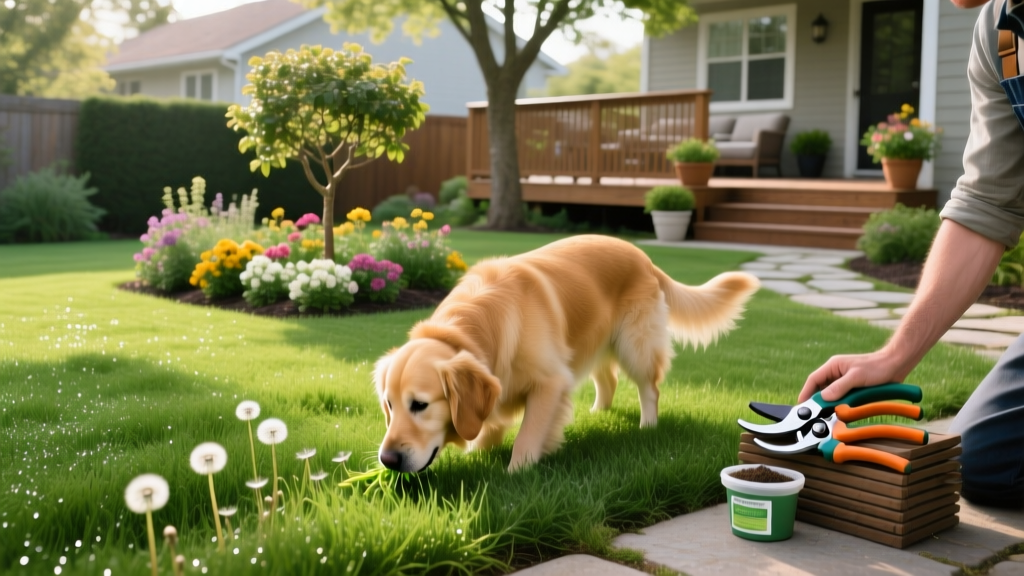
Why Does My Dog Like to Eat Grass? Vet & Lawn Expert Guide
The Canine Grazing Phenomenon: Myth vs. Biological Reality
When you see your dog tearing up mouthfuls of your carefully maintained Kentucky Bluegrass, the immediate assumption is often that they have an upset stomach. However, veterinary science and canine behavioral research paint a vastly different picture. Understanding why your dog eats grass is the first step in ensuring both their health and the integrity of your turf.
According to the American Kennel Club, less than 10% of dogs show signs of clinical illness before eating grass, and fewer than 25% vomit afterward. Grass-eating is largely a normal, inherited foraging behavior rather than a symptom of gastrointestinal distress.
Dogs are omnivorous scavengers by evolutionary design. In the wild, canids consume the stomach contents of herbivorous prey, which includes partially digested grasses and plant matter. When your dog grazes on your lawn, they are engaging in an instinctual behavior to acquire roughage, fulfill a textural craving, or simply alleviate boredom. However, while the behavior itself is natural, the modern residential lawn is rarely a natural environment. This is where lawn care practices intersect directly with veterinary toxicology.
Turf Toxicity: When Your Lawn Becomes a Hazard
The primary danger of your dog eating grass is not the grass itself, but the chemical and biological treatments applied to it. Many homeowners unknowingly cultivate toxic environments by using broadleaf herbicides and synthetic fertilizers that leave dangerous residues on grass blades.
Common Lawn Chemicals and Canine Risk Profiles
Not all lawn treatments are created equal. When managing a lawn frequented by grazing dogs, you must understand the active ingredients in your product shed. The Pet Poison Helpline frequently fields calls regarding ingestion of lawn care products. Below is a risk matrix for common turf treatments.
| Active Ingredient / Product | Common Use | Canine Toxicity Risk | Pet-Safe Application Protocol |
|---|---|---|---|
| 2,4-D (Synthetic Auxin) | Broadleaf weed control | Moderate to High | Avoid entirely. Linked to canine lymphoma with chronic exposure. |
| FeHEDTA (Iron-based) | Selective broadleaf herbicide | Moderate | Keep off turf until completely dry. Ingestion of wet product causes iron toxicity and severe vomiting. |
| Milorganite (Biosolid 6-4-0) | Organic nitrogen fertilizer | Low (Toxicity) / High (Behavioral) | Safe if ingested, but the strong odor attracts dogs to eat grass and dig up the soil. Water heavily immediately after application. |
| Corn Gluten Meal | Organic pre-emergent | None | Completely pet-safe. Acts as a mild nitrogen source if ingested. |
⚠️ The Milorganite Paradox: While Milorganite is widely praised as an eco-friendly, slow-release organic fertilizer, its biosolid composition gives it a distinct odor that many dogs find irresistible. If your dog suddenly starts eating grass obsessively and digging holes immediately after a spring feeding, your organic fertilizer is likely the culprit. Always water biosolid fertilizers into the soil immediately to wash the scent off the grass blades.
Designing a Pet-Resilient, Non-Toxic Turf
If your dog is a frequent grazer, your lawn care strategy must pivot from purely aesthetic goals to biological safety and physical durability. Selecting the right grass species and utilizing mechanical weed control are paramount.
Optimal Grass Species for Grazing Dogs
- Tall Fescue (Endophyte-Free): Tall Fescue is highly durable against dog traffic and urine spots. However, you must specifically source endophyte-free seed. Some wild fescues contain a symbiotic fungus (endophyte) that produces alkaloids which can cause neurological issues and digestive distress in dogs and livestock if ingested in large quantities.
- Bermudagrass: Exceptional wear tolerance and rapid recovery. It has a fibrous texture that many dogs enjoy chewing, and it thrives in high-traffic zones without requiring heavy chemical interventions.
- Perennial Ryegrass: Excellent for overseeding bare patches caused by dog runs. It germinates in 5 to 7 days, minimizing the time your soil is exposed and reducing the temptation for your dog to eat dirt or pull up fragile new shoots.
The Hidden Threat: Foxtail Grass (Hordeum murinum)
While your dog eating your cultivated turf is generally harmless, allowing wild grasses to invade your lawn poses a severe veterinary threat. Foxtails are common weed grasses that produce barbed seed awns in late spring and summer.
🚨 Critical Lawn Warning: If your dog eats grass that has gone to seed, specifically foxtails, the barbed awns can lodge in their gums, throat, nasal passages, or even migrate into the ear canals and lungs. This is a life-threatening veterinary emergency. You must manually pull foxtail weeds before they produce seed heads in early summer, or maintain a strict mowing height of 2.5 inches to prevent seed head formation.
Actionable Lawn Care Protocol for Dog Owners
Managing a lawn with a grazing dog requires a specific seasonal routine that prioritizes chemical-free maintenance and soil dilution. Follow this step-by-step framework to maintain a pristine, safe yard.
- Implement Mechanical Weed Control: Abandon broadcast liquid herbicides. Use a stand-up weeder tool to manually extract dandelions and clover. If you must use a spot treatment, opt for horticultural vinegar (20% acetic acid) applied only on hot, windless days, keeping the dog indoors until the spray dries completely.
- Adjust Your Mowing Height: Set your mower deck to 3 inches. Taller grass blades shade the soil, naturally suppressing weed germination and reducing the need for herbicides. Furthermore, longer grass dilutes the concentration of nitrogen in dog urine, preventing the notorious yellow 'urine burn' spots.
- Utilize Soil Aeration for Urine Mitigation: Core aerate your lawn in the fall. This relieves soil compaction from heavy paw traffic and improves drainage, allowing dog urine to percolate deep into the soil profile rather than pooling on the surface where it burns the grass roots and leaves concentrated salts on the blades your dog might later chew.
- Deploy Pet-Safe Pre-Emergents: In early spring, apply corn gluten meal at a rate of 20 lbs per 1,000 square feet. This naturally inhibits weed seed germination and provides a safe, slow-release nitrogen boost that will not harm your dog if they decide to sample the turf.
- Create a Designated 'Digging and Grazing' Zone: If your dog's grass-eating is driven by boredom or a desire for fresh greens, plant a small, dedicated patch of wheatgrass or oat grass in a raised garden bed or a specific corner of the yard. This redirects their foraging instinct away from your primary lawn and gives them a safe, pesticide-free alternative.
When to Intervene
While grazing is normal, sudden, frantic grass consumption accompanied by lip-licking, excessive drooling, or lethargy indicates genuine gastrointestinal distress. In these instances, your dog may be attempting to induce vomiting. If you observe these clinical signs, bypass lawn care troubleshooting and consult your veterinarian immediately, as they may have ingested a toxic ornamental plant, a foreign object, or a residual lawn chemical.

