
Lawn Care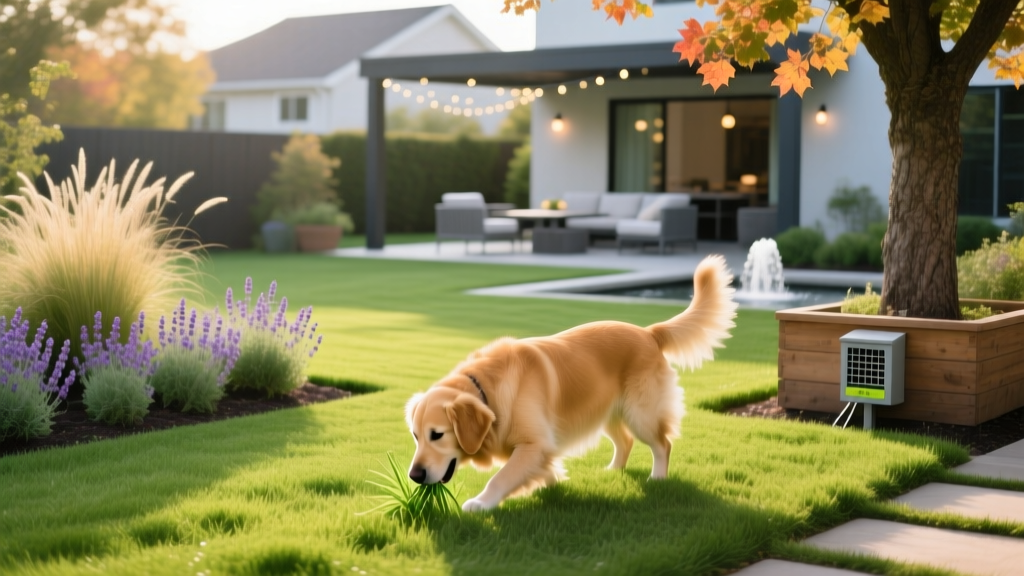
Dog Eats Grass? Step-by-Step Pet-Safe Lawn Maintenance Guide
When your dog eats grass, it is rarely a cause for medical alarm, but it should immediately trigger a review of your lawn maintenance protocol. According to the American Kennel Club, less than 25% of dogs vomit after grazing, indicating that grass consumption is often a natural behavioral trait or a source of roughage rather than a sign of illness. However, a grazing dog transforms your lawn from a simple landscape feature into a direct dietary supplement. This means every fertilizer, herbicide, and pest control product you apply must be vetted for canine safety.
Maintaining a pristine lawn while protecting a grass-eating dog requires a shift away from synthetic, quick-release chemicals toward organic, slow-release alternatives and precise cultural practices. Below is a comprehensive, step-by-step lawn maintenance procedure designed specifically for households with grazing pets.
Step 1: Selecting and Establishing Dog-Safe Grass Varieties
Not all turfgrasses handle the dual stress of canine foot traffic and constant grazing equally well. If your dog frequently nibbles on the lawn, you need a grass species with rapid lateral recovery and high traffic tolerance. Furthermore, the grass must be able to thrive under organic maintenance regimes, as synthetic growth regulators are off-limits.
| Grass Type | Climate Zone | Traffic & Grazing Tolerance | Recommended Cultivar |
|---|---|---|---|
| Tall Fescue | Cool-Season / Transition | High (Deep roots resist pulling) | 'Titan Ultra' or 'Rhubarb' |
| Bermudagrass | Warm-Season | Very High (Aggressive stolons) | 'Midiron' or 'TifTuf' |
| Kentucky Bluegrass | Cool-Season | Moderate (Recovers via rhizomes) | 'Award' or 'Blue Note' |
| Perennial Ryegrass | Cool-Season | High (Fast germination for patching) | 'Manhattan 7' |
Overseeding Protocol: If your current lawn is thinning from grazing, overseed with Tall Fescue in early fall (when soil temperatures drop to 60°F–70°F). Apply at a rate of 5 to 8 lbs per 1,000 square feet. Keep the seed moist with light, frequent watering until germination occurs in 7–14 days, and restrict your dog from the seeded areas using temporary garden fencing to prevent seed displacement.
Step 2: Pet-Safe Fertilization and Weed Control
Standard synthetic fertilizers, particularly those high in quick-release urea (like 46-0-0), pose a severe risk to grazing dogs. Soluble salts can burn a dog's paw pads and cause gastrointestinal distress if ingested while grooming or eating grass. Furthermore, synthetic broadleaf herbicides containing 2,4-D or dicamba are highly toxic if consumed before the product has fully dried and absorbed.
The Organic Fertilizer Alternative
Transition to slow-release, organic-based fertilizers. Milorganite (5-2-0) is a premier choice for pet owners. Because its nitrogen is bound in organic matter and its primary secondary nutrient is iron, it will not burn the lawn or harm your dog if they graze immediately after application. As of 2026, a standard 36 lb bag of Milorganite costs approximately $22 to $26 and covers 2,500 square feet.
⚠️ Weed Control Warning: Avoid all synthetic pre-emergents and post-emergents if your dog eats grass. For weed management, rely on manual extraction, proper mowing heights to shade out weed seeds, and organic spot treatments like horticultural vinegar (20% acetic acid) applied carefully on calm days to avoid turf burn. The ASPCA Animal Poison Control Center frequently treats pets for herbicide toxicity linked to improper lawn chemical exposure.
Step 3: Managing Urine Burn and Soil pH Balance
While grazing is generally harmless to the dog, canine urine is highly destructive to the grass. Dog urine contains high concentrations of nitrogen and sodium salts, which cause localized turf necrosis (urine burn spots). A common misconception is that urine is too acidic; in reality, the damage is caused by nitrogen overload and salt accumulation, not pH imbalance.
- Immediate Dilution: If you catch your dog urinating, immediately pour 1 to 2 gallons of water over the spot to dilute the nitrogen concentration below the burn threshold.
- Annual Gypsum Application: To combat sodium salt buildup in the soil, apply agricultural gypsum (calcium sulfate) in the spring and fall. Apply at a rate of 50 lbs per 1,000 square feet. The calcium displaces the sodium in the soil matrix, allowing it to be flushed away by rain or irrigation without altering the soil pH.
- Avoid Dietary Alterations: Do not give your dog supplements designed to alter their urine pH (like DL-Methionine) without veterinary supervision, as this can lead to severe urinary tract stones.
Step 4: Mowing, Aeration, and Pest Control Strategies
High-traffic, pet-used lawns require specific mowing and aeration schedules to maintain the deep root systems necessary for survival.
Precision Mowing Heights
Set your mower deck to 3.5 to 4.0 inches. Taller grass blades provide three distinct benefits for dog owners:
- Root Depth: Taller blades support deeper roots, anchoring the grass against the tearing force of dog paws.
- Soil Shading: Shaded soil retains moisture longer and prevents weed seeds (like crabgrass) from germinating.
- Pest Deterrence: Maintaining a dense, tall canopy reduces the habitat suitability for fleas and ticks near the soil surface.
Biological Pest Control
If your lawn suffers from white grub infestations, avoid synthetic insecticides like Dylox (trichlorfon) or Imidacloprid, which are highly toxic to foraging dogs. Instead, apply Beneficial Nematodes (Heterorhabditis bacteriophora). These microscopic worms actively seek out and destroy grub larvae in the soil and are 100% safe for pets, humans, and earthworms. A package containing 10 million nematodes costs roughly $35 and treats up to 2,000 square feet. Apply via hose-end sprayer in the late afternoon when soil temperatures are between 60°F and 85°F, and water the lawn with 1/4 inch of water immediately after application to wash the nematodes into the soil profile.
Troubleshooting Common Pet Lawn Issues
Even with meticulous care, specific issues arise when dogs interact with turf. Use this decision framework to address localized damage.
| Symptom | Likely Cause | Corrective Action |
|---|---|---|
| Brown spots with dark green borders | Nitrogen overdose from urine | Rake out dead grass, flush soil with 3 gallons of water, reseed with Perennial Ryegrass. |
| Torn, uprooted grass clumps | Digging or aggressive running | Topdress with 1/4 inch of compost, overseed with Tall Fescue, install a designated gravel digging pit. |
| Yellowing grass despite watering | Soil compaction from pet traffic | Perform core aeration in early fall, pulling 3-inch plugs to relieve soil pressure and improve oxygen flow. |
Final Considerations for the Grazing Dog
According to the University of California Integrated Pest Management program, a healthy lawn is fundamentally about soil ecology, not just surface appearance. By focusing on building robust soil biology through organic amendments, core aeration, and proper mowing, you create a resilient turf that can withstand the physical wear of a dog and provide a safe, non-toxic grazing environment. Always monitor your dog's grass-eating habits; if grazing becomes frantic or is accompanied by lethargy, consult a veterinarian, as this may indicate an underlying gastrointestinal issue rather than normal behavioral foraging.

