
Lawn Care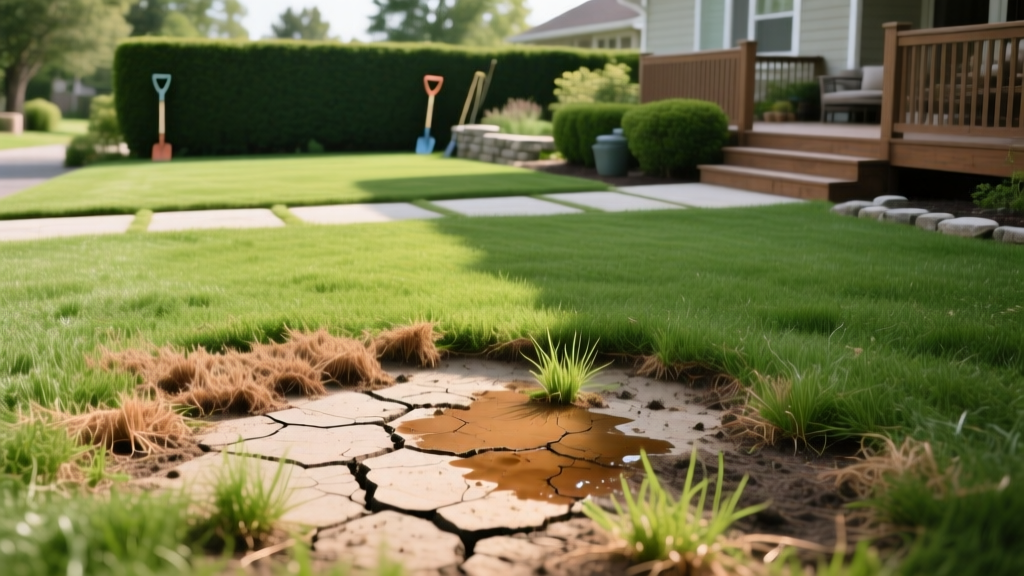
Dog Pee Kills Lawn: Step-by-Step Recovery and Prevention
The Biochemistry of Urine Burn: Why Dog Pee Kills Lawn Grass
When homeowners realize that dog pee kills lawn grass, the immediate assumption is often that canine urine is too acidic. This is a widespread myth. According to veterinary and turfgrass science, dog urine typically has a pH between 6.0 and 6.5, which is slightly acidic but well within the tolerance range of most turfgrasses. The actual culprit is a toxic combination of high nitrogen concentration and dissolved salts.
Dog urine contains urea, a byproduct of protein metabolism. Urea is essentially a highly concentrated, fast-release nitrogen fertilizer (equivalent to a 46-0-0 NPK ratio). While grass needs nitrogen to grow, a single canine urination event deposits the equivalent of a heavy fertilizer application into a concentrated 6-inch circle. This massive nitrogen spike causes "fertilizer burn," rapidly dehydrating the grass blades and killing the root system. Furthermore, the dissolved salts in the urine draw moisture out of the soil via osmosis, compounding the desiccation effect. Female dogs and large-breed males cause the most severe damage because they tend to squat, depositing a large volume of urine in one localized area, whereas marking males distribute smaller amounts over a wider perimeter.
Phase 1: Immediate Triage (The First 8 Hours)
If you catch your dog in the act, or notice a fresh wet spot, immediate intervention can prevent the nitrogen from burning the crown of the grass. You have a narrow window before the urea binds to the soil and the salts begin pulling moisture from the roots.
Step-by-Step Dilution Protocol
- Flush with Water: Immediately pour 2 to 3 gallons of plain water over the affected spot. Do not use a high-pressure hose nozzle, as this will scatter the urine to unaffected areas and cause soil compaction. Use a watering can or a bucket to gently flood the 12-inch radius around the spot.
- Apply a Surfactant: Water alone often beads up on the waxy cuticle of grass blades. Add 1 teaspoon of mild, non-detergent liquid soap (like Castile soap) or a commercial yucca extract wetting agent to your watering can. This breaks the surface tension, allowing the water to carry the urea and salts deep into the soil profile, away from the shallow grass roots.
- Aerate the Spot: If the soil is heavily compacted, use a hand-held manual soil aerator or a garden fork to punch 4 to 5 holes, 3 inches deep, directly into the wet spot. This creates a direct pathway for the diluted urine to drain into the subsoil.
Differential Diagnosis: Is It Urine Burn or Something Else?
Before applying amendments, ensure the brown patches are actually caused by dog urine. Misdiagnosing fungal issues as urine burn will lead to improper treatments. Use this diagnostic matrix to confirm the damage source.
| Symptom / Characteristic | Dog Urine Burn | Dollar Spot Fungus | White Grub Damage |
|---|---|---|---|
| Patch Shape & Size | Perfect circles, 4 to 8 inches wide | Silver-dollar sized, often merging into large irregular blights | Large, irregular, spreading brown areas |
| The "Halo" Effect | Dead brown center with a bright green, lush outer ring | No green halo; borders are bleached or straw-colored | No green halo; edges are ragged and dry |
| Root Attachment | Grass pulls up easily, roots are dark and shriveled | Grass breaks at the crown; white mycelium visible in morning dew | Turf rolls back like loose carpet; roots are completely chewed off |
| Soil Condition | Crusty, white salt residue visible on soil surface when dry | Soil surface remains normal; high moisture and humidity present | Soil is loose; presence of C-shaped white larvae beneath the surface |
Phase 2: Soil Remediation and Salt Flushing
Once the immediate nitrogen spike is diluted, you must address the residual salt buildup in the soil. High sodium and chloride levels from accumulated urine alter the soil structure, causing clay particles to bind together and restricting oxygen flow to the roots.
Applying Gypsum (Calcium Sulfate)
Gypsum is the industry standard for remediating salt-damaged soil. The calcium in gypsum displaces the sodium in the soil chemistry, allowing the sodium to be flushed away through normal irrigation. Apply granular gypsum at a rate of 12 pounds per 1,000 square feet directly over the affected zones. Water it in heavily with at least 0.5 inches of irrigation to dissolve the calcium sulfate and push it into the root zone. Products like Jonathan Green Love Your Soil or standard agricultural gypsum work exceptionally well and cost roughly $15 to $20 for a 40-pound bag.
Liquid Humic Acid Chelation
For severe, chronic damage zones, supplement the gypsum with a liquid humic acid application. Humic acid acts as a natural chelator, binding to heavy metals and excess salts, neutralizing their toxicity. Apply a high-quality liquid humic acid (such as Nature’s Lawn & Garden Humic Acid) at a rate of 2 ounces per 1,000 square feet, mixed with water in a pump sprayer. Repeat this application every 14 days during the active growing season until the soil ecology recovers.
Phase 3: Reseeding the Dead Zones
If the crown of the grass is entirely necrotic (brown and brittle at the soil line), no amount of flushing will revive it. You must reseed. According to VCA Animal Hospitals, selecting the right turfgrass species is critical, as some grasses are far more resilient to nitrogen spikes than others.
Step-by-Step Reseeding Procedure
- Remove Dead Turf: Use a thatch rake or a heavy-duty garden weasel to aggressively scratch out the dead grass and loosen the top 2 inches of soil. If the soil is hydrophobic (repels water) due to salt buildup, mix in 2 quarts of sphagnum peat moss per patch to restore moisture retention.
- Select Urine-Tolerant Seed: Avoid Kentucky Bluegrass, which is highly susceptible to urea burn. Instead, choose Tall Fescue (for cool-season/transition zones) or Bermudagrass (for warm-season zones). Tall Fescue cultivars like 'Titan Ultra' or 'Spyder' have deep, extensive root systems that can access water below the salt-affected topsoil. For fast patch repair, mix in 20% Perennial Ryegrass, which germinates in 5 to 7 days and provides a quick nurse crop.
- Sow and Topdress: Apply the seed at a rate of 6 to 8 pounds per 1,000 square feet. Topdress the seeded area with a 1/4-inch layer of finely screened compost or a specialized seed accelerator like Scotts EZ Seed (which includes mulch and starter fertilizer—note: use EZ Seed only if you have thoroughly flushed the urine salts first, otherwise the added fertilizer will worsen the burn).
- Maintain Moisture: Water the patches lightly 3 to 4 times a day for 10 minutes each session to keep the seed bed constantly moist but not waterlogged until germination occurs.
⚠️ Expert Warning: The Danger of Dietary Supplements
Many pet stores sell dietary supplements, such as DL-Methionine, Vitamin C, or "Dog Rocks," claiming to neutralize urine or alter its pH to save lawns. Veterinary experts at PetMD strongly advise against these products. Attempting to lower the pH of your dog's urine to protect your grass can lead to severe medical complications, including the formation of struvite and calcium oxalate bladder stones. Furthermore, altering a dog's natural protein metabolism to reduce urea output is biologically unsound. Always prioritize your dog's urinary tract health over lawn aesthetics; manage the environment, not the dog's internal chemistry.
Phase 4: Landscape Design and Behavioral Prevention
Long-term lawn survival requires integrating your dog's natural behaviors into your landscape architecture. Relying solely on soil amendments is a losing battle against daily nitrogen deposits.
Strategic Hardscaping and Mulch Zones
Identify your dog's preferred "high-traffic" corridors and urination zones. Replace the turf in these specific areas with dog-friendly, urine-proof alternatives. Crushed limestone gravel, river rock, or heavy cedar mulch are excellent choices. Cedar mulch naturally repels fleas and ticks while masking the odor of urine. Create a designated "potty zone" in a shaded, low-visibility corner of the yard, bordered by physical edging to prevent mulch migration into the remaining lawn.
Pheromone Training and Pee Posts
Dogs are highly territorial and rely on scent markers. You can train your dog to use a specific area by installing a "pee post." These are commercially available cedar or composite stakes treated with canine pheromones that encourage marking behavior. Place the post in your designated mulch zone. When your dog uses the post, immediately reward them with a high-value treat. Over a 3-to-4-week period of consistent leash-guided potty breaks, most dogs will naturally gravitate toward the pheromone-marked zone, sparing your primary turf areas from concentrated nitrogen damage.

