
Lawn Care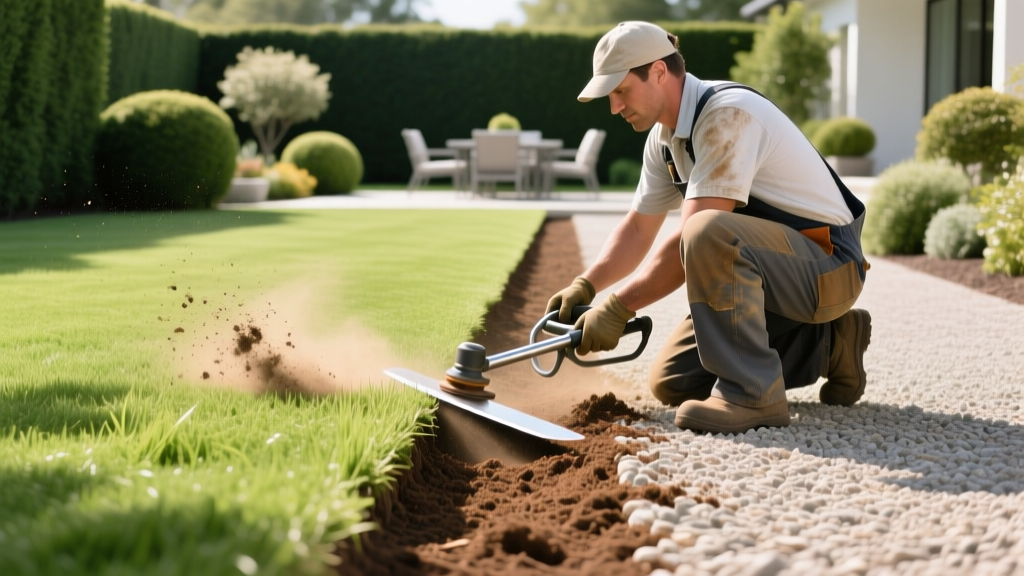
Edger Mulch Trenching: How to Create Crisp Landscape Borders
The Anatomy of a Perfect Edger Mulch Trench
Mulch spilling onto pristine turf and aggressive grass rhizomes invading landscape beds are two of the most common frustrations in lawn care. The definitive solution is edger mulch trenching—using a powered or manual lawn edger to carve a physical void between the grass and the mulch bed. When executed correctly, this technique creates a crisp, self-maintaining boundary that eliminates the need for constant string-trimming and prevents mulch washout during heavy rains.
A properly cut edger mulch line relies on specific dimensions to function as both a visual barrier and a biological blockade. The trench must be 4 to 6 inches deep and 2 to 3 inches wide at the surface, tapering down to a sharp V-shape at the base. Why this specific depth? Aggressive warm-season grasses like Bermuda and Zoysia spread via rhizomes that typically travel in the top 2 to 4 inches of topsoil. A 6-inch trench severs these subterranean runners, while the steep sidewall prevents hardwood or bark mulch from collapsing back onto the lawn.
Pro Tip: The 45-Degree Angle Rule
When cutting the trench, angle the edger blade slightly so the lawn-side wall is perfectly vertical (90 degrees), but the mulch-side wall slopes at a 45-degree angle back toward the bed. This specific geometry creates a structural retaining lip that holds the mulch in place while allowing surface water to drain away from the turf edge.
When cutting the trench, angle the edger blade slightly so the lawn-side wall is perfectly vertical (90 degrees), but the mulch-side wall slopes at a 45-degree angle back toward the bed. This specific geometry creates a structural retaining lip that holds the mulch in place while allowing surface water to drain away from the turf edge.
Choosing the Right Edger for Mulch Boundaries
Selecting the correct tool depends entirely on the linear footage of your landscape beds and the density of your soil. Clay-heavy soils require high-torque blades, while established beds with loose topsoil can be managed with lighter equipment. Below is a comparison of the three primary edger categories used for mulch trenching in 2026.
| Tool Category | Top Model (2026) | Avg. Price | Best Use Case |
|---|---|---|---|
| Manual Half-Moon | Bully Tools 48-Inch Steel Edger | $35 - $45 | Small touch-ups, tight corners, and soft loam soils. |
| Electric Stick Edger | Worx WG896 (12-Amp) | $110 - $130 | Suburban lawns under 5,000 sq ft with existing trench lines. |
| Gas Walk-Behind | McLane 101-5.5GT (5.5 HP) | $450 - $520 | Large estates, heavy clay soils, and cutting brand-new trenches. |
If you are establishing a brand-new edger mulch line through thick, compacted clay, a walk-behind gas edger with a heavy steel blade is mandatory. Stick edgers often lack the downward torque required to break virgin ground at a 6-inch depth without stalling or kicking back.
Step-by-Step Edger Mulch Trenching Process
Creating a flawless border requires more than just running a machine along the grass. Follow this precise sequence to ensure structural integrity and aesthetic perfection.
1. Marking the Boundary
Never freehand an edger mulch line. Lay a flexible garden hose along the desired curve of the mulch bed. For straight lines, use two wooden stakes and a mason line. Mark the edge of the hose with landscaping spray paint (use white or yellow inverted marking paint). This paint line serves as your exact guide for the edger blade.
2. The Initial Cut (Depth Setting)
Set your edger blade to a shallow 2-inch depth for the first pass. This scores the soil and severs the surface turf. On the second pass, drop the blade to the full 4 to 6-inch depth. Making two passes prevents the blade from binding in thick turf and reduces strain on the machine's motor. Keep the wheel of the edger on the lawn side, allowing the blade to bite exactly into the mulch side of your paint line.
3. Soil Extraction and Berm Creation
An edger cuts the soil, but it does not remove it. Use a narrow trenching shovel (also known as a drain spade) to lift the loosened soil out of the V-trench. Crucial step: Do not throw this excavated soil onto the lawn. Instead, pile it on the mulch side of the trench, about 6 inches back from the edge. Rake this soil to create a slight 1-inch berm. This berm acts as a secondary retaining wall that stops mulch from migrating into the trench during heavy rainfall.
4. Mulch Application
According to the University of Minnesota Extension, mulch should be applied at a depth of 2 to 4 inches to effectively retain moisture and suppress weeds. Spread your chosen mulch behind the newly created soil berm, ensuring the mulch level sits roughly 1 inch below the top of the lawn-side turf. This negative grade ensures that when mulch settles, it won't spill over the vertical grass-side wall.
Warning: Avoid Mulch Volcanoes
When trenching around established trees, never pile mulch against the trunk. The Arbor Day Foundation warns that "mulch volcanoes" trap moisture against the bark, leading to fungal infections, root girdling, and eventual tree death. Keep all mulch and soil berms at least 3 to 5 inches away from the base of any tree trunk.
When trenching around established trees, never pile mulch against the trunk. The Arbor Day Foundation warns that "mulch volcanoes" trap moisture against the bark, leading to fungal infections, root girdling, and eventual tree death. Keep all mulch and soil berms at least 3 to 5 inches away from the base of any tree trunk.
Mulch Selection and Trench Compatibility
Not all mulches interact with an edger mulch trench in the same way. The physical weight and particle size of the mulch dictate how well the trench will hold up over the season.
- Shredded Hardwood: The best overall choice for trenched beds. The interlocking fibers knit together, forming a mat that resists washing into the V-trench during downpours.
- Pine Bark Nuggets: Poor for sloped beds near trenches. The large, lightweight nuggets easily bounce over the vertical grass-side wall when struck by string trimmers or heavy rain.
- River Rock / Gravel: Requires a modified trench. If using stone mulch, the trench must be lined with heavy-duty aluminum or steel edging hidden just below the soil line. Otherwise, the gravel will slowly migrate into the dirt trench, filling it up and ruining the boundary.
- Rubber Mulch: Highly prone to scattering. Only use rubber mulch if the edger mulch trench is exceptionally deep (6+ inches) and backed by a physical plastic or metal retaining border.
Maintenance: Keeping the Edger Mulch Line Sharp
A properly cut trench in cool-season fescue or Kentucky bluegrass will hold its shape for 8 to 12 weeks. Warm-season grasses with aggressive stolons may require maintenance every 4 to 6 weeks.
For routine maintenance, do not use the lawn edger again; doing so will widen the trench and destroy the crisp V-shape. Instead, use a motorized string trimmer. Hold the trimmer vertically (edge-down) and lightly graze the grass-side wall of the trench to shave off any encroaching rhizomes. Once a year, typically in early spring before mulch is refreshed, run the walk-behind edger down the line again to re-establish the 6-inch depth and clear out any winter sediment buildup.
Frequently Asked Questions
Can I use a rototiller to dig a mulch trench?
No. Rototillers pulverize soil and destroy the sharp, clean sidewalls required for an edger mulch line. A tiller will leave a ragged, wide trench that immediately collapses when wet.
How do I dispose of the soil removed from the trench?
The soil excavated from a mulch trench is usually high-quality topsoil. Use it to level low spots elsewhere in your lawn, add it to your compost bin, or use it to build up the grading in your landscape beds to improve drainage away from your home's foundation.
Should I put landscape fabric in the trench?
Never line the bottom or sides of the V-trench with landscape fabric. The fabric will eventually peek through the soil, get caught in string trimmers, and ruin the natural aesthetic of the English edge. Fabric belongs strictly beneath the mulch inside the bed, stopping 6 inches short of the trench edge.

