
Lawn Care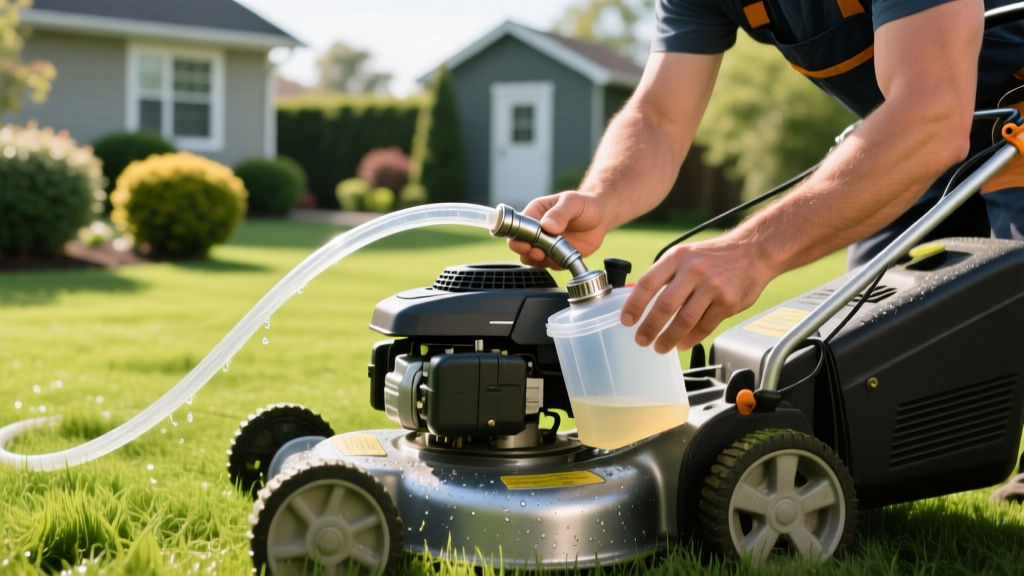
How to Empty Gas From Lawn Mower: 3 Mechanic-Approved Methods
Leaving untreated fuel in a small engine over the winter or during a long hiatus is the leading cause of carburetor failure. Modern gasoline blends degrade rapidly, turning into a sticky varnish that clogs microscopic jets and ruins fuel pumps. If you are wondering how to empty gas from lawn mower tanks effectively, you need to look beyond simply sucking fuel out of the main reservoir. True fuel system evacuation requires addressing the hidden fuel trapped in the carburetor bowl.
With the continued 2026 expansion of E15 (15% ethanol) fuel availability across the United States, small vented mower tanks are more susceptible to moisture absorption than ever. This guide breaks down the exact mechanical procedures for completely evacuating your fuel system, the chemistry behind why gas goes bad, and the specific tools required to do it without damaging your engine seals.
The Chemistry of Bad Gas: Why Draining is Non-Negotiable
Ethanol is hygroscopic, meaning it actively pulls moisture from the ambient air through your mower’s vented gas cap. When the fuel absorbs enough water, it triggers phase separation. The ethanol and water mixture detaches from the gasoline and sinks to the bottom of the tank—exactly where your fuel line draws from.
📊 Data Highlight: Fuel Degradation Timelines
• E10 (10% Ethanol): Begins phase separation in 30–90 days depending on humidity.
• E15 (15% Ethanol): Can separate in as little as 14–21 days in high-humidity environments.
• Recreational/Ethanol-Free (E0): Remains stable for up to 6 months without stabilizer.
• Treated with Stabilizer (e.g., STA-BIL 360 Marine): Extends E10 viability to 12 months.
• E10 (10% Ethanol): Begins phase separation in 30–90 days depending on humidity.
• E15 (15% Ethanol): Can separate in as little as 14–21 days in high-humidity environments.
• Recreational/Ethanol-Free (E0): Remains stable for up to 6 months without stabilizer.
• Treated with Stabilizer (e.g., STA-BIL 360 Marine): Extends E10 viability to 12 months.
When separated fuel enters the carburetor, the water causes internal aluminum components to corrode, while the remaining low-octane gasoline evaporates into a hard, shellac-like varnish. This varnish glues the float needle shut and blocks the main emulsion tube, resulting in a mower that surges, stalls, or refuses to start.
Method 1: The Siphon Pump Technique (Best for Large Tanks)
For riding mowers or zero-turns with 2-to-4-gallon tanks, a manual siphon pump is the most efficient way to remove the bulk of the fuel. Avoid cheap squeeze-bulb siphons; they degrade quickly and can leak fuel onto hot engine blocks.
Step-by-Step Siphoning Procedure
- Prepare the Workspace: Move the mower outdoors or into a heavily ventilated garage. Ensure the engine is completely cold to prevent ignition of fuel vapors.
- Insert the Siphon: Use a dedicated manual hand-pump siphon (such as the Teramo Manual Siphon Pump, typically $12–$15). Feed the intake tube past the fuel tank’s internal baffle screens. If your tank has an anti-siphon valve, you will need to use Method 2 or disconnect the fuel line at the filter.
- Pump and Extract: Pump the handle until the fluid flows steadily into your approved red gasoline receptacle. Tilt the mower slightly forward and backward to pool fuel around the intake tube, ensuring you get the tank as close to empty as possible.
- Wipe the Tank: Use a lint-free shop towel wrapped around a dowel to swab the bottom of the tank, removing any residual water or sludge left behind.
⚠️ Safety Warning: Never siphon gasoline by mouth. Ingestion or aspiration of hydrocarbons can cause severe chemical pneumonitis, a life-threatening lung condition. Always use a mechanical hand pump.
Method 2: The Carburetor Bowl Drain (The Mechanic's Secret)
Siphoning the tank only solves 80% of the problem. The remaining 1.5 to 3 ounces of fuel sits in the carburetor float bowl. If left untreated, this small amount of fuel will evaporate and leave a thick varnish coating directly on the main jet. Draining the bowl is the most critical step in winterization.
Locating and Draining the Bowl
Most modern Briggs & Stratton, Honda, and Kawasaki small engines feature a dedicated drain screw on the bottom or side of the carburetor bowl.
- Identify the Screw: Look for a brass slotted screw or a bolt head (usually 10mm or 1/4-inch) at the lowest point of the carburetor.
- Shut Off the Fuel Valve: If your mower has a petcock or fuel shut-off valve, turn it to the "OFF" position.
- Position a Catch Rag: Place a thick, oil-absorbent shop towel directly beneath the carburetor.
- Loosen the Screw: Turn the drain screw counter-clockwise exactly two to three turns. Do not remove it entirely, or the internal O-ring may fall out and get lost in the grass.
- Let it Bleed: Allow the 2 ounces of fuel to drip into the towel. Once the dripping stops, tighten the screw back down snugly (do not overtighten, as brass threads strip easily at around 15 inch-pounds of torque).
Note: If your carburetor lacks a drain screw (common on older Tecumseh or budget Chinese carburetors), you must pinch the fuel line, unbolt the bowl from the carburetor body, and dump it manually. Keep the bowl gasket intact; if it tears, you will need a replacement carburetor rebuild kit ($8–$14).
Method 3: Running the Engine Dry (Pros, Cons, and Seal Risks)
The traditional advice of "just let it run until it dies" is highly controversial among small engine mechanics. While it successfully clears the carburetor bowl, it introduces secondary mechanical risks.
The Hidden Dangers of Running Dry
When an engine sputters and dies from fuel starvation, it runs extremely lean for the final 10 to 20 seconds. This causes a spike in combustion chamber temperatures. More importantly, completely drying out the fuel system causes the rubber tip on the carburetor float needle and the synthetic diaphragms in mechanical fuel pumps to dry out, shrink, and crack. When you add fresh gas the following spring, these compromised rubber seals will leak fuel onto your engine block.
💡 Pro Tip: If you must run the engine dry, spray a 2-second burst of fogging oil (like Sea Foam Deep Creep or STA-BIL Fogging Oil) directly into the carburetor throat just as the engine begins to sputter. This coats the internal seals and cylinder walls with a protective lubricating film before they dry out.
Comparison Matrix: Which Evacuation Method Should You Use?
| Method | Best Application | Effectiveness | Risk Level |
|---|---|---|---|
| Siphon Pump | Riding mowers, Zero-turns, large tanks | High (Tank only) | Low |
| Carb Bowl Drain | Push mowers, snowblowers, winterization | Maximum (System-wide) | Low (if careful) |
| Running Dry | Emergency storage, no tools available | Medium (Leaves tank full) | High (Seal damage) |
Fuel Stabilizers vs. Draining: A Decision Framework
Draining is not always mandatory if you use high-quality chemistry. Use this framework to decide your maintenance route based on your storage timeline and fuel type.
- Scenario A: Storing for 1–3 Months (Mid-Season Break). Do not drain. Add a double dose of a PEA-based (Polyether Amine) fuel system cleaner and stabilizer like BG 44K or Sea Foam Motor Treatment. Run the engine for 5 minutes to circulate the treated fuel through the carburetor bowl.
- Scenario B: Storing for 4–12 Months (Winterization). If using E10, drain the tank and the carburetor bowl completely. If using expensive Recreational (Ethanol-Free) fuel, adding STA-BIL Storage and leaving the tank full is acceptable, as the lack of ethanol prevents phase separation and the full tank prevents internal tank rust.
- Scenario C: The Mower is Already Stored with Untreated E10. If the gas has been sitting for over 60 days, do not start the engine. Siphon the tank, drain the bowl, and refill with fresh, ethanol-free fuel mixed with a varnish remover.
Proper Disposal of Extracted Gasoline
Once you have emptied your mower, you must dispose of the old fuel legally and safely. According to the Environmental Protection Agency (EPA), gasoline is a household hazardous waste and must never be dumped into soil, storm drains, or household trash.
If the extracted gas is less than a few months old and has not visibly separated (no water layer at the bottom), you can safely dilute it in your car’s gas tank. Add no more than 1 gallon of old mower gas to a nearly full car tank (15+ gallons); the car’s advanced fuel injection system and high turnover rate will burn it without issue. If the gas smells like rotten eggs, looks dark, or has visible water, it must be taken to a local municipal hazardous waste drop-off facility. Consult your local county waste management website for specific drop-off hours and container requirements.
Frequently Asked Questions
Can I use a turkey baster to empty the gas tank?
While a turkey baster can extract fuel from shallow push-mower tanks, the plastic will rapidly degrade upon contact with gasoline, potentially leaving melted plastic debris in your fuel tank. Always use a solvent-resistant manual siphon pump.
Do I need to change the oil after draining the gas?
No, fuel evacuation does not affect engine oil. However, as noted by University of Minnesota Extension small engine maintenance guidelines, winterization is the ideal time to perform an oil change while the engine is still slightly warm from its final run, ensuring metallic particulates are suspended and drained out.
For comprehensive seasonal maintenance schedules specific to your engine model, always refer to the official Briggs & Stratton Maintenance Hub or your respective manufacturer's operator manual.

