
Lawn Care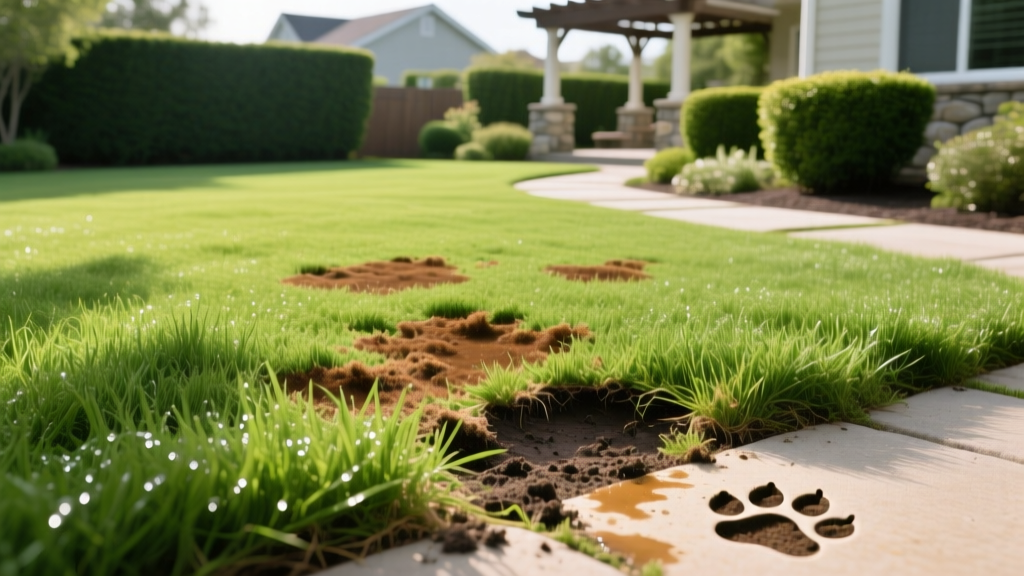
Dog Peeing on Grass Killing Grass? Step-by-Step Lawn Repair Guide
When homeowners realize their dog peeing on grass killing grass is creating a patchwork of brown, necrotic spots across their lawn, the immediate instinct is often to blame soil acidity. However, the actual culprit is a massive overdose of nitrogen salts. Dog urine contains up to 4% urea, and when deposited in concentrated volumes, it triggers an osmotic draw that pulls water out of grass roots, effectively burning the turf from the inside out. Fixing this requires a precise, step-by-step lawn maintenance protocol focused on soil flushing, cation exchange, and strategic overseeding.
The Nitrogen Overload Mechanism
Before applying any amendments, it is critical to understand the soil chemistry at play. A single dog urination event can deposit the equivalent of 10 pounds of nitrogen fertilizer per 1,000 square feet onto a tiny 4-inch circle. This causes the characteristic 'burn spot' with a dark green, hyper-grown outer ring where the nitrogen concentration drops to a beneficial level. According to the University of Minnesota Extension, attempting to alter the pH of the urine or the soil is a fundamentally flawed approach; the damage is strictly a result of nitrogen toxicity and sodium accumulation, not acidity.
Step 1: Immediate Triage and Soil Flushing
The most effective way to stop dog peeing on grass killing grass is to intervene within the first 8 hours of the urination event. Once the urine dries and the salts bind to the soil profile, surface watering becomes ineffective.
- Identify Fresh Spots: Monitor your dog's bathroom habits and mark fresh spots immediately.
- Apply High-Volume Water: Use a watering can or hose to apply exactly 1 gallon of water per square foot of the affected area. This specific volume is required to push the urea and sodium salts past the root zone (typically 6 to 8 inches deep) and into the subsoil where they cannot cause osmotic stress.
- Avoid Light Sprinkling: A light misting will only dissolve the salts and spread them across the surface, worsening the burn radius.
Pro Tip: The Morning Flush Routine
If you cannot monitor your dog throughout the day, dedicate 5 minutes every morning to heavily water the previous day's designated bathroom areas. Consistent deep watering prevents salt crystallization in the topsoil.
Step 2: Cation Exchange and Gypsum Application
Dog urine is also high in sodium and potassium. Over time, sodium displaces calcium on the soil's clay particles, destroying soil structure and creating a hardpan that prevents water infiltration. To reverse this, you must force a cation exchange using calcium sulfate (gypsum).
Gypsum Application Protocol
- Product Selection: Use a fast-acting, pelletized gypsum product like Pennington Fast Acting Gypsum (approx. $12 for 14 lbs) or a liquid alternative like Soil Logic Liquid Gypsum ($22 for 32 oz).
- Application Rate: Apply pelletized gypsum at a rate of 50 lbs per 1,000 square feet directly over the burn spots and surrounding high-traffic areas.
- Mechanical Integration: Use a manual core aerator or a garden fork to puncture the burn spot to a depth of 4 inches. Sweep the gypsum into the aeration holes to bypass the thatch layer and deliver calcium directly to the root zone.
- Watering In: Water the area with 0.5 inches of water to dissolve the calcium sulfate, allowing the calcium to knock sodium off the soil cation exchange sites so it can be leached away.
Step 3: Overseeding with Urine-Tolerant Cultivars
Once the soil has been flushed and amended with gypsum (wait 7 to 10 days after gypsum application), you must reseed the dead patches. Not all grass species handle nitrogen surges equally. Selecting the right seed is the difference between a permanent fix and a recurring problem.
Grass Species Tolerance Matrix
| Grass Species | Urine Tolerance | Recovery Speed | Recommended Use |
|---|---|---|---|
| Perennial Ryegrass | High | Fast (5-7 days) | Cool-season patch repair |
| Tall Fescue | Moderate-High | Medium (10-14 days) | Durable, deep-rooted lawns |
| Kentucky Bluegrass | Low | Slow (21+ days) | Avoid in dog run areas |
| Bermudagrass | Low-Moderate | Fast (via stolons) | Warm-season, high maintenance |
For rapid patch repair, use a specialized product like Scotts EZ Seed Dog Spot Repair ($15-$20 for 10 lbs). This formula combines perennial ryegrass seed, absorbent mulch, and a proprietary salt-neutralizing amendment specifically engineered to counteract urine burns. Rake the dead thatch out of the burn spot down to bare soil, apply the EZ Seed at 1/4 inch thickness, and keep consistently moist for 14 days.
Step 4: Behavioral Modification and Environmental Design
Lawn maintenance procedures will fail if the input source is not managed. Modifying your dog's environment and hydration levels is the final step in the protocol.
Hydration Strategies
The concentration of urea in urine is directly tied to the dog's water intake. According to the American Kennel Club, increasing your dog's moisture consumption dilutes the nitrogen output. Add low-sodium chicken broth to their water bowl, switch to a wet food diet, or use a pet water fountain (like the Catit Flower Fountain, approx. $25) to encourage higher daily water intake.
Designated Bathroom Zones
Train your dog to use a specific, non-turf area. Install a 'pee post' (such as the Simple Solution Pee Post, $8) in a mulched or gravel section of your yard. These posts are treated with dog pheromones that naturally attract dogs to urinate on them. Reward your dog with high-value treats immediately after they use the designated zone to reinforce the behavior.
Warning: The Dietary Supplement Myth
Do not feed your dog tomato juice, baking soda, or commercial 'grass-saver' supplements designed to alter urine pH. These products attempt to acidify or alkalize the urine, which does absolutely nothing to reduce the nitrogen content causing the burn. Worse, artificially altering your dog's urine pH can lead to the formation of painful struvite or calcium oxalate bladder stones, resulting in thousands of dollars in veterinary bills. Always consult a veterinarian before adding supplements to your dog's diet.
Summary of the Annual Maintenance Calendar
To maintain a pristine lawn despite dog traffic, integrate these procedures into your seasonal calendar:
- Spring: Core aerate high-traffic dog zones and apply 50 lbs/1,000 sq ft of gypsum to displace winter sodium buildup.
- Summer: Increase irrigation depth to 1 inch per week to naturally leach urea salts; overseed thin spots with Perennial Ryegrass at sunset to prevent seed desiccation.
- Fall: Perform heavy overseeding with Tall Fescue blends to build a dense, durable turf canopy that can better mask and withstand localized nitrogen burns.
By treating dog urine damage as a soil chemistry issue rather than a simple watering problem, you can permanently restore your turf. Consistent flushing, targeted calcium applications, and strategic cultivar selection will neutralize the nitrogen overload and keep your lawn resilient year-round.

