
Lawn Care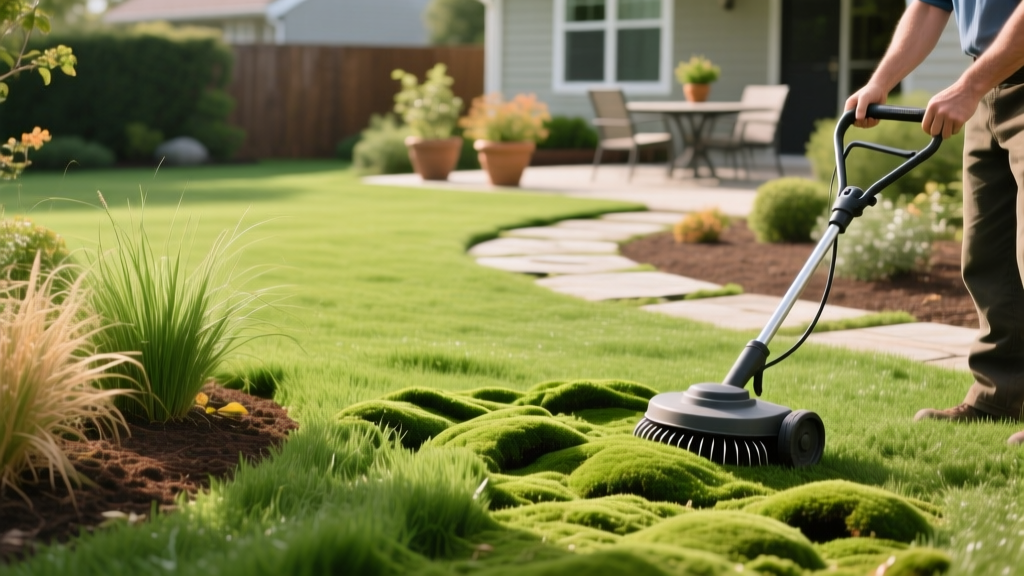
How to Fix a Mossy Lawn: Step-by-Step Eradication Guide
Moss (Bryophyta) outcompetes turfgrass when environmental conditions favor its shallow, moisture-dependent root system over the deeper roots of grass. Killing the moss is only 20% of the solution; the remaining 80% involves altering the soil microclimate to prevent its return. According to the University of Minnesota Extension, moss is a symptom of poor turfgrass growing conditions, not the primary cause of lawn failure.
This step-by-step procedure details the exact mechanical, chemical, and cultural interventions required to eradicate a mossy lawn and establish a dense, resilient turf canopy.
The 4 Core Triggers of Moss Infestation
Diagnostic Checklist
- Acidic Soil: pH levels below 5.5 lock up essential nutrients like phosphorus, starving grass while moss thrives.
- Soil Compaction: Bulk density above 1.4 g/cm³ restricts oxygen to grass roots. Moss lacks true roots and absorbs nutrients directly through its leaves, making it immune to compacted soil.
- Excessive Shade: Turfgrass requires a minimum of 4 hours of direct sunlight. Dense tree canopies reduce light and trap surface moisture.
- Poor Drainage: Chronically wet soil from over-irrigation or heavy clay profiles creates the high-humidity environment moss requires to reproduce via spores.
Phase 1: Soil Testing and Diagnosis (Days 1-7)
Before applying any amendments, you must quantify your soil's pH and nutrient profile. Do not guess.
- Collect Core Samples: Use a soil probe or trowel to extract 5 to 7 soil cores at a depth of 3 to 4 inches from different areas of the moss-infested zone.
- Mix and Test: Combine the cores in a clean plastic bucket. Use a reliable home testing kit like the Luster Leaf 1601 Rapitest ($15-$20) for immediate pH readings, or send a 1-cup sample to your local university cooperative extension lab ($15-$30) for a comprehensive N-P-K and micronutrient analysis.
- Interpret Results: Turfgrass thrives at a pH of 6.0 to 7.0. If your test reads 5.2, you must apply pelletized limestone to raise the pH before grass seed will successfully germinate.
Phase 2: Chemical Eradication (Days 8-10)
Once you have your soil data, apply a targeted moss killer. Avoid DIY remedies like baking soda or dish soap; these introduce excessive sodium and surfactants that degrade soil structure long-term.
| Active Ingredient | Product Example | Application Rate | Pros & Cons |
|---|---|---|---|
| Ferrous Sulfate (Iron) | Lilly Miller Moss Out! for Lawns | 3 to 5 lbs per 1,000 sq ft | Kills moss in 24-48 hours; turns it black. Warning: Will permanently stain concrete driveways and sidewalks orange/brown. |
| Potassium Salts of Fatty Acids | Safer Brand Moss & Algae Killer | Ready-to-spray hose end | Safe near hardscapes; won't stain concrete. Slower acting (takes 7-14 days) and less effective on thick, established moss mats. |
Pro Tip: Apply ferrous sulfate when the moss is actively growing and damp, but ensure no rain is forecast for 24 hours. The iron desiccates the moss, causing it to die and turn black within two days.
Phase 3: Mechanical Removal and Soil Amendment (Days 11-14)
Dead moss forms a dense thatch layer that will block new grass seed from contacting the soil. It must be physically removed.
Dethatching the Dead Moss
For areas under 500 square feet, use a stiff metal spring-tine rake. Aggressively rake the blackened moss until you expose bare soil. For larger lawns, rent a power dethatcher (vertical mower) from a local equipment rental center (typically $60-$80 for a half-day). Set the blades to barely scratch the soil surface to avoid tearing out existing healthy grass roots.
Correcting Soil pH and Compaction
If your Phase 1 soil test indicated a pH below 6.0, apply pelletized limestone immediately after dethatching. Espoma Organic Garden Lime is a standard choice. Apply at a rate of 50 lbs per 1,000 square feet to raise the pH by approximately 0.5 points. Water the lime in thoroughly to begin the chemical reaction.
To address compaction, perform core aeration. Use a gas-powered core aerator to pull 2-to-3-inch soil plugs, leaving them on the lawn to break down naturally. This creates channels for oxygen, water, and the newly applied lime to penetrate the root zone. The NC State Extension emphasizes that core aeration is critical for heavy clay soils where moss frequently pools water.
Phase 4: Overseeding and Starter Fertilization (Days 15-21)
Bare soil left behind after moss removal will quickly be recolonized by weed seeds or new moss spores if not immediately planted with competitive turfgrass.
- Seed Selection: If the area receives 4-6 hours of filtered sunlight, use a shade-tolerant blend containing fine fescues (Chewings, Creeping Red, or Hard fescue). Jonathan Green Black Beauty Ultra or Scotts Turf Builder Dense Shade Mix are highly rated for these conditions. If the area receives less than 3 hours of direct sun, abandon grass and install a shade-tolerant groundcover like creeping Jenny or mulch.
- Seeding Rate: Apply fine fescue blends at 5 to 6 lbs per 1,000 square feet. Use a broadcast spreader for even distribution, splitting the seed in half and walking in perpendicular directions (north-south, then east-west).
- Starter Fertilizer: Apply a high-phosphorus starter fertilizer (e.g., 24-25-4 NPK ratio) at the rate specified on the bag to stimulate rapid root development. Phosphorus is critical for seedling establishment but is often locked up in soils previously dominated by moss.
- Topdressing: Lightly rake a 1/8-inch layer of screened compost over the seed to retain moisture and protect the seed from birds.
Phase 5: Long-Term Microclimate Management
Germination takes 14-21 days for fescue. During this period, water lightly 2-3 times daily to keep the top inch of soil moist. Once established, transition to deep, infrequent watering (1 inch per week).
Warning: Irrigation Adjustments
Moss returns when surface moisture lingers. Audit your sprinkler system. Replace standard spray nozzles with MP Rotator nozzles, which apply water at a slower rate (0.4 inches per hour), allowing heavy clay soils to absorb moisture without creating the surface puddling that triggers moss spore germination.
Finally, prune lower tree branches to a height of at least 6 feet. This 'limbing up' technique increases airflow across the lawn surface, accelerating morning dew evaporation and allowing lower-angle autumn and spring sunlight to reach the turf canopy.
Frequently Asked Questions About Mossy Lawns
Will adjusting my mowing height help prevent moss?
Yes. Scalping your lawn (cutting below 2 inches) removes the grass blade surface area needed for photosynthesis, weakening the turf and exposing the soil to moss spores. Maintain cool-season grasses at a minimum of 3 to 3.5 inches. Taller grass shades the soil surface, depriving moss of the light it needs to photosynthesize while retaining deep soil moisture for grass roots.
Can I just rototill the moss into the soil?
Do not rototill live or dead moss into the soil. Moss does not break down like standard organic matter; it forms a spongy, water-retentive layer beneath the surface that will cause future drainage issues and turf root rot. Always physically remove the moss mat before tilling or aerating.
How much does it cost to renovate a mossy lawn?
For a DIY renovation of a 1,000-square-foot area, expect to spend between $90 and $140. This covers a lab soil test ($25), ferrous sulfate moss killer ($20), pelletized lime ($15), core aerator rental ($60 shared with neighbors), and premium shade-tolerant seed ($30). Professional landscaping services typically charge $0.15 to $0.25 per square foot for full moss eradication and overseeding.

